



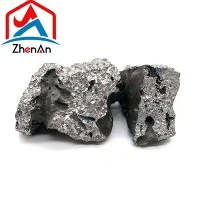
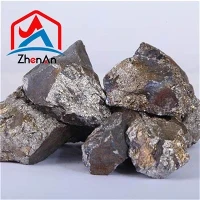
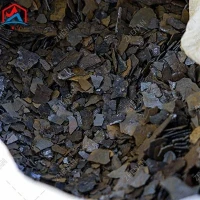



Graphitized Petroleum Coke Sulphur 0.05
Type: Graphitized Petroleum Coke
Ash: 0.50% Max
V.M: 0.50%Max
Moisture: 0.50%Max
Sulphur; 0.05%Max
Size: 0-1mm 1-3mm1-5mm 3-5mm 5-8mm
Working Temperature: 1300-1400
Sample Supply: Yes
Transport Package: 25kg Bag/Jumbo B Bag or as Customer′s Requirement
Production Capacity: 5000mt/Month
Low-Sulfur Graphitized Petroleum Coke Specifications
Graphitized Petroleum Coke (GPC) is a carbon additive used to adjust the carbon content of molten metal. This product is listed with a sulfur limit of 0.05% max, a carbon content of 98.5%, and a nominal particle size of 1–5 mm. These parameters provide a starting point for buyers comparing chemical specifications, particle size and quality requirements.
When evaluating this GPC grade, focus on the sulfur limit, fixed carbon content, ash, volatile matter, moisture and particle-size distribution. Confirm the applicable limits and testing basis before ordering, especially when your purchase specification requires strict impurity control. The batch-specific Certificate of Analysis (COA) should correspond to the material supplied.
This page focuses on product specifications and quality verification. For application-specific requirements, you can also compare our dedicated 1–5 mm GPC for steel recarburizing and 0–5 mm GPC for foundry casting pages.

GPC Chemical and Physical Properties
The table below summarizes the available product data. Confirm the final contractual specifications and test results before treating the listed values as guaranteed limits.
| Parameter | Listed Specification |
|---|---|
| Product | Graphitized Petroleum Coke (GPC) |
| Carbon Content | 98.5% |
| Sulfur (S) | ≤0.05% |
| Ash Content | ≤0.5% |
| Moisture | ≤0.5% |
| Volatile Matter (VM) | ≤0.7% |
| Nitrogen (N) | Confirm the actual value and acceptance limit against the product COA. |
| Particle Size | 1–5 mm |
| Particle-Size Distribution | Confirm the in-range percentage, undersize fraction and oversize fraction. |
| Packaging | Jumbo bags; confirm net weight and moisture-protection requirements. |
Specification note: The original page lists volatile matter at 0.05%, while the separately supplied product data lists a maximum of 0.7%. The table above uses the separately supplied product data. Verify the correct value against the current product specification before publication. Likewise, confirm whether 98.5% is a nominal carbon content or a guaranteed minimum fixed-carbon value.
How to Verify GPC Sulfur Content
A sulfur limit of 0.05% max is equivalent to 500 ppm by mass. Buyers should distinguish the sulfur content of the carbon additive from the final sulfur content of molten metal. The contribution from GPC depends on the quantity added, while the final result also depends on other charge materials and the melting process.
For example, if a batch contains 3.6 kg of GPC with sulfur at the maximum specified level of 0.05%, the GPC contributes up to 1.8 g of sulfur. This is a material-input calculation, not a prediction of the final sulfur content of the melt.
When reviewing a quotation, make sure the sulfur limit is written consistently in the product specification, purchase order and COA. If the requirement is a maximum of 0.05%, use the contractual wording ≤0.05%. If the requirement is strictly below 0.05%, specify <0.05% instead.
How to Evaluate GPC Chemical Composition
Sulfur is only one part of the purchasing specification. Fixed carbon, nitrogen, ash, moisture and volatile matter should also be evaluated against the requirements of the intended process. A low sulfur result alone does not establish that a GPC grade is suitable for every application.
| Inspection Item | What to Verify | Why It Matters |
|---|---|---|
| Fixed Carbon | Confirm the 98.5% listed value and whether it is a minimum guarantee. | Establishes the specified carbon content of the material. |
| Sulfur | Verify the ≤0.05% limit and the batch test result. | Helps buyers assess sulfur input from the carbon additive. |
| Nitrogen | Obtain the actual result in ppm and agree on the maximum permitted value. | Supports compliance with application-specific impurity requirements. |
| Ash | Verify the ≤0.5% listed limit and the applicable test basis. | Provides information about the non-carbon residue in the material. |
| Moisture | Verify the ≤0.5% listed limit and test result. | Helps buyers assess incoming material condition and handling requirements. |
| Volatile Matter | Resolve the discrepancy between 0.05% and 0.7% before confirming the specification. | Prevents conflicting acceptance criteria in purchasing documents. |
| Particle Size | Confirm the 1–5 mm range and agreed screening tolerances. | Helps match material size to handling and feeding requirements. |
Particle Size and Screening Requirements
The listed particle size for this product is 1–5 mm. The nominal range does not indicate how much material falls within the specified limits, so buyers should confirm the sieve distribution when particle-size consistency is important to their process.
Before placing an order, agree on the acceptable proportion of particles below 1 mm and above 5 mm. Also confirm the sampling and screening method used for acceptance. These details are more useful for quality control than relying on the nominal size alone.
Other GPC products may use different size ranges. If your requirement is specifically 0–5 mm for foundry casting, compare the confirmed specifications on our 0–5 mm GPC product page rather than assuming the two size ranges are interchangeable.
Batch COA and Quality Verification
A product specification defines the agreed requirements, while a batch Certificate of Analysis (COA) reports the results for the tested material. Buyers should review both documents before approving a shipment.
- Product identification: confirm the product grade and particle-size range.
- Chemical analysis: check carbon, sulfur, nitrogen, ash, moisture and volatile matter against the agreed requirements.
- Testing basis: confirm the reported units, test methods and whether the values are typical results or contractual limits.
- Particle-size analysis: request sieve-distribution results if screening tolerances are part of the order.
- Batch traceability: ensure the COA can be linked to the supplied lot.
- Third-party inspection: agree on the inspection provider, sampling procedure and acceptance criteria before shipment if required.
If independent inspection is required, specify the scope and acceptance criteria before the order is finalized. A test report is only useful for acceptance when the sampling procedure and tested batch are clearly identified.
Packing and Order Confirmation
Confirm the packaging format, net weight per bag, marking and moisture-protection requirements before placing your order. The available product information identifies jumbo-bag packaging, but the final packing arrangement should be agreed according to the order quantity and handling requirements.
For an accurate quotation, provide the required sulfur limit, fixed carbon content, nitrogen limit, particle size, quantity, packaging preference, destination port and preferred Incoterm. If third-party inspection or specific batch documents are required, include them in your inquiry.


Frequently Asked Questions
What Does 0.05% Max Sulfur Mean for GPC?
A sulfur limit of 0.05% max means the material must contain no more than 0.05% sulfur by mass, equivalent to 500 ppm. Confirm the agreed limit and the batch test result before accepting the material.
What Is the Listed Fixed Carbon Content?
The current product information lists carbon content at 98.5%. Confirm whether this is the guaranteed minimum fixed-carbon value and check the corresponding test result on the batch COA.
What Particle Size Is Listed for This Product?
The listed particle size is 1–5 mm. Confirm the sieve distribution and acceptable undersize and oversize fractions if your process requires a defined particle-size tolerance.
Why Should Nitrogen Content Be Checked Separately?
Nitrogen is a separate chemical parameter from sulfur. Specify the required nitrogen limit in ppm and obtain the actual result from the applicable product specification or batch COA.
Can I Request a Batch-Specific COA?
State the required chemical and physical tests in your inquiry and confirm that the COA corresponds to the product grade and batch being supplied. Agree on any third-party inspection requirements before shipment.
What Information Is Needed for a GPC Quotation?
Provide the required carbon content, sulfur and nitrogen limits, particle size, order quantity, packaging, destination port and preferred Incoterm. Include any specific testing, screening or inspection requirements so that the quotation can be matched to your purchasing specification.
Hot Tags: graphitized petroleum coke sulphur 0.05, China graphitized petroleum coke sulphur 0.05 manufacturers, suppliers, factory, carbon raiser for assembling, carbon raiser for after sales service, carbon raiser for handling, carbon raiser for customer service, carbon raiser for technical support, carbon raiser for bolting
You Might Also Like


Send Inquiry