



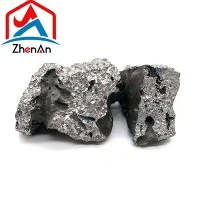
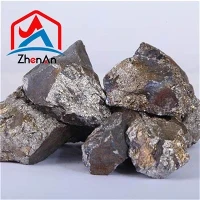

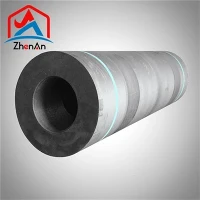


Graphite Petroleum Coke 98.5
Ash Content: ≤0.5%
Moisture: ≤0.5%
Volatile Matter (VM): ≤0.7%
Packaging: Jumbo Bags
Production Capacity: 5,000 MT/Year
Graphitized Petroleum Coke Description
Graphitized Petroleum Coke (GPC) is a carbon raiser produced through high-temperature graphitization of petroleum coke-based feedstock. It is used to adjust the carbon content of molten metal in steelmaking and foundry operations. For buyers selecting a 98.5% carbon grade, the main purchasing considerations include fixed carbon content, sulfur, nitrogen, ash, volatile matter, moisture and particle-size distribution.
This product is listed with a fixed carbon content of 98.5% and a nominal particle size of 1–5 mm. The appropriate grade depends on your target carbon content, furnace conditions, charging method and impurity limits for the finished steel or iron. Before ordering, confirm the guaranteed chemical composition and particle-size tolerances against the current product specification and batch-specific Certificate of Analysis (COA).
When comparing carbon raisers, consider more than the purchase price per tonne. Carbon recovery, material losses, impurity contribution and the amount of carbon absorbed by the melt all affect the effective cost of carbon addition. Compare candidate materials under similar operating conditions rather than relying on an assumed universal absorption rate.
For a broader comparison of carbon additives, see our carbon raiser product range to review available product categories and specifications.

Graphitized Petroleum Coke Specifications
The following table summarizes the technical values listed for this GPC grade. Confirm the chemical acceptance limits and the actual batch results before placing an order.
| Parameter | Technical Specification |
|---|---|
| Product | Graphitized Petroleum Coke (GPC) |
| Fixed Carbon (FC) | 98.5% |
| Particle Size | 1–5 mm |
| Sulfur (S) | <0.05% |
| Nitrogen (N) | >300 ppm as listed in the original specification; confirm the actual result and required acceptance limit against the current COA. |
| Moisture | 0.50% as listed |
| Volatile Matter (VM) | 0.05% as listed |
| Ash | Confirm the actual value against the current product COA. |
| Particle-Size Distribution | Nominal range: 1–5 mm. Confirm sieve distribution and allowable undersize and oversize fractions. |
| Quality Documentation | Request a batch-specific COA covering the agreed chemical and physical parameters. |
Specification note: The original product description contains conflicting sulfur, nitrogen and moisture figures. The table above retains the values from the original technical specification table where available. Confirm the current product specification and batch COA before treating these values as guaranteed purchasing limits. Ash content and the intended nitrogen acceptance limit should be established before an order is finalized.
Applications of Graphitized Petroleum Coke
Steelmaking and Carbon Adjustment
GPC can be used as a carbon raiser in suitable steelmaking operations. The required grade depends on the target carbon content, the timing of addition, furnace conditions and the impurity limits of the finished steel. Buyers should confirm that the selected particle size suits their charging equipment and operating practice.
For procurement, compare the fixed carbon content and sulfur contribution with the requirements of the steel grade. Carbon recovery should be evaluated using actual operating data because it varies with the furnace, addition method, melt conditions and production practice.
Gray Iron and Ductile Iron Foundry Applications
In foundry melting, GPC may be used to adjust the carbon content of molten iron. Foundries should evaluate the carbon contribution, sulfur input, charge composition and melting conditions when selecting a recarburizer. The effect on the final iron chemistry must be assessed alongside any separate inoculation treatment.
Particle size should be selected according to the charging method, available dissolution time and acceptable fines loss. A nominal size range alone does not establish carbon recovery or guarantee a particular metallurgical result.
Particle-Size Selection
This product is listed in the 1–5 mm range. Before purchasing, confirm the sieve distribution and allowable fines content, especially when the charging method or feeding equipment is sensitive to particle size.
If your process requires another particle-size range, specify the target size and acceptable tolerances in your inquiry. Do not assume that all available GPC grades have the same chemical composition or physical characteristics.
Carbon Recovery and Cost Evaluation
A practical cost comparison should consider delivered price, fixed carbon content, carbon recovery, handling losses and the cost of meeting the required final chemistry. Where plant-trial data are available, compare materials under similar conditions rather than assuming a fixed absorption rate for every furnace.
GPC Quality Verification and COA
Before approving a GPC shipment, compare the agreed purchasing specification with the batch-specific COA. This helps you check whether the material meets the chemical and physical requirements of your process.
| Verification Item | What Buyers Should Check |
|---|---|
| Fixed Carbon | Confirm the required fixed carbon value and the applicable test basis. |
| Sulfur | Verify the actual sulfur result against the maximum permitted by the purchase specification. |
| Nitrogen | Confirm the actual nitrogen result and the agreed acceptance limit. Do not interpret a value above 300 ppm as a maximum limit. |
| Ash | Obtain the actual ash result and confirm the maximum acceptable content. |
| Moisture and Volatile Matter | Check the reported values and confirm whether each figure is a typical result or a guaranteed maximum. |
| Particle Size | Check the 1–5 mm sieve distribution, undersize fraction and oversize fraction. |
| Batch Traceability | Ensure the COA corresponds to the product grade and batch being supplied. |
| Third-Party Inspection | Agree on the inspection provider, sampling procedure, test scope and acceptance criteria before shipment if required. |
For more details on evaluating chemical composition and product consistency, read our guide on how to evaluate GPC quality.
When evaluating a carbon raiser supplier, buyers should confirm the product specification, quality documentation, inspection arrangements and packaging requirements before placing an order. The agreed specifications should match the grade and batch being supplied.

Customer Visits
Product qualification discussions can cover chemical specifications, particle-size requirements, packaging, quality documentation and inspection arrangements. Confirm the agreed requirements before finalizing the purchase order.

Packing and Shipping of GPC
Confirm the required packaging format, bag weight and moisture-protection measures when requesting a quotation. The final packing arrangement should match the order requirements, handling facilities and transport conditions.
| Item | Purchasing Considerations |
|---|---|
| Packaging | Confirm the available bag format, net weight per bag and whether jumbo bags or smaller bags are required. |
| Moisture Protection | Agree on suitable liners or protective measures where required by storage and shipping conditions. |
| Shipping | Specify order quantity, destination port, preferred Incoterm and FCL or LCL requirements. |
| Shipping Documents | Confirm requirements for the commercial invoice, packing list, bill of lading, Certificate of Origin where applicable, and batch COA. |
Frequently Asked Questions
Q: What is the fixed carbon content of this GPC product?
A: The original specification table lists a carbon content of 98.5%. Confirm the guaranteed fixed carbon value and test basis against the current product specification before ordering.
Q: What sulfur content is listed for this product?
A: The original specification table lists sulfur below 0.05%. Buyers should confirm the applicable maximum limit and batch-specific test result before using this figure as a contractual requirement.
Q: What nitrogen content should I expect?
A: The original table lists nitrogen above 300 ppm, but the intended acceptance limit and actual batch result need to be confirmed. Specify your required nitrogen limit in the purchase inquiry and request the corresponding COA.
Q: Which particle size is available for this GPC grade?
A: The original product specification lists 1–5 mm. Confirm the sieve distribution and acceptable undersize and oversize fractions if particle-size consistency is important to your process.
Q: Can I request a sample before placing an order?
A: Sample availability, freight charges and any freight reimbursement or deduction arrangements should be confirmed with the sales team before dispatch.
Q: Can I request a batch-specific COA?
A: Specify the required chemical tests and particle-size checks in your inquiry. Confirm that the COA corresponds to the ordered grade and batch, and agree on any third-party inspection requirements before shipment.
Q: What information is needed for an accurate quotation?
A: Provide the required fixed carbon content, sulfur and nitrogen limits, particle size, order quantity, packaging, destination port, preferred Incoterm and intended application. These details help align the quotation with your purchasing requirements.
Hot Tags: graphite petroleum coke 98.5, China graphite petroleum coke 98.5 manufacturers, suppliers, factory, carbon raiser for technical support, carbon raiser for training, carbon raiser for brazing, carbon raiser for cutting, carbon raiser for riveting, carbon raiser for retrofitting
You Might Also Like


Send Inquiry