



Silicon Metal

ZHEN AN INTERNATIONAL CO., LIMITED
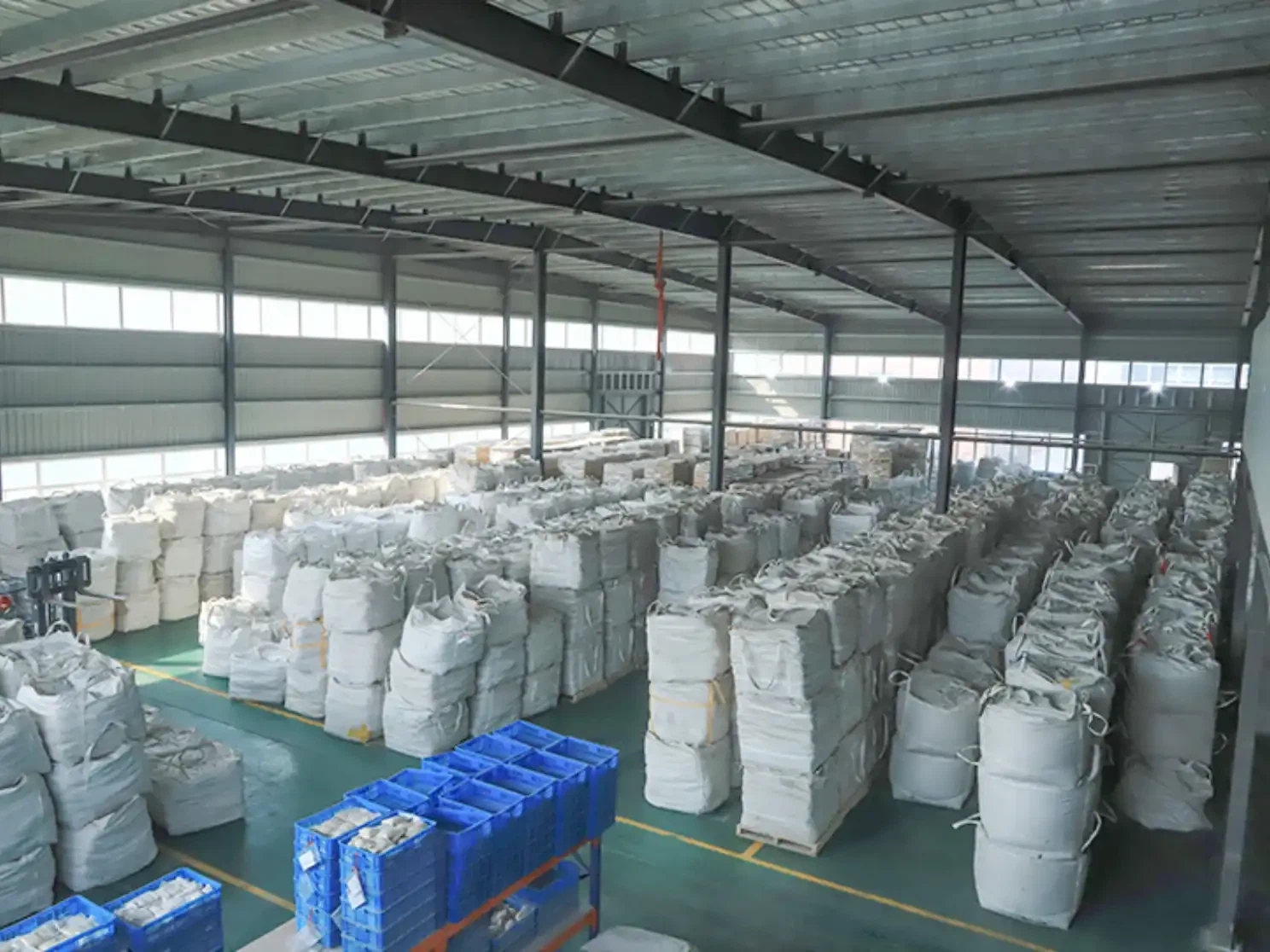
is a corporation that integrates production, processing, sales, and import and export operations. It has a 30,000 square meter footprint, produces and sells more than 150,000 tonnes of goods annually, and more than 300 employees.
With thirty years of expertise, we are a top producer and supplier of metallurgical raw materials, dedicated to offering premium ferroalloys, Ferrosilicon, Ferrovanadium, Silicon Metal, Silicon Metal Powder, and others. We always provide products with good quality and low price.
Square Meters Built
years experience
Enterprise Employees
Annual Output & Sales
Why Choose Us
Professional Team
We have 26 senior technical engineers who have many years of experience in metallurgy production and application and can provide customized solutions for different customer needs. Our sales team is familiar with industry dynamics and market trends and can provide customers with professional advice and support.
High Quality
With a deep understanding of the metallurgical sector, our team is adept at handling every aspect of production and quality control. Our quality inspectors strictly control the quality of each link to ensure that each batch of products meets international standards.
Advanced Equipment
We Have 4 sets of production lines for ferroalloy of 20,000 TPY; 4 sets of production lines for Alloy cored wire of 30,000 TPY; 6 sets of vacuum furnaces; and 10+ sets of furnaces for other purposes.
Wide Market
We not only meet the needs of China steel companies but also export our products to 150 countries and regions including Japan, South Korea, India, Europe, and the United States.
Perfect Service
All after-sale requests will be responded to in 24 hours. Close follow-up of all orders by special person and keep customers informed timely. We provide you with quick and warm service throughout the whole process.
Fast Delivery
We have a dedicated and efficient export department that specializes in documentation, packaging, and shipping services to provide reliable services to customers around the world, ensuring timely delivery and on-time shipping to the destination.





What Is Silicon Mental?
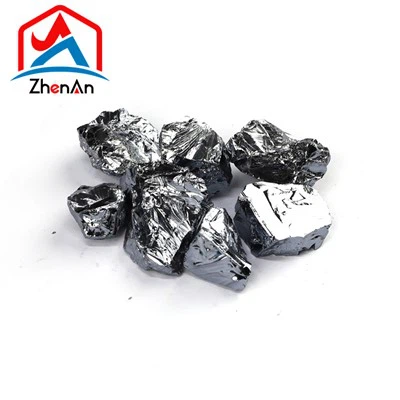
Silicon metal is a grey and lustrous semi-conductive metal that is used to manufacture steel, solar cells, and microchips. There are two allotropes: one is a dark brown amorphous powder that is active and can burn in air; the other is a stable crystal (crystalline silicon). Industrial silicon blocks are also used as demanding alloying agents and deoxidizers in the smelting of special steels and non-ferrous alloys. Generally, silica and quartz are used in building materials such as glass, and good quartz is used in the manufacture of alloys, metals, and single crystals.
Some Types of Silicon Mental

Silicon Metal 553
The silicon content of Silicon Metal 553 is 98.7%, the iron content is 0.5%, the aluminum content is 0.5%, and the calcium content is 0.3%.
The specifications and particle sizes of the natural blocks are as follows: 10-100 mm, 10-60 mm, 3-10 mm, 1-3 mm, 0-1 mm. Other sizes can be customised according to customer requirements.
Packaging: Our ton bag packaging is available in 1000 kg packs, or can be customised according to your requirements.
| Product grades | ||||
| Si content(%) | Impurities(%) | Impurities(%) | Impurities(%) | |
| Fe | Al | Ca | ||
| silicon metal 553 | 98.7 | 0.5 | 0.5 | 0.3 |
Silicon Metal 441
The silicon content of Silicon Metal 441 is 99.1%, the iron content is 0.4%, the aluminium content is 0.4%, and the calcium content is 0.1%.
The specifications and particle sizes of the natural blocks are as follows: 10-100 mm, 10-60 mm, 3-10 mm, 1-3 mm, 0-1 mm. Alternatively, the specifications and particle sizes can be customized according to customer requirements.
Packaging: Our ton bag packaging is available in 1000 kg packs, or can be customised according to your requirements.
|
type |
Si |
Fe |
Al |
Ca |
|
Silicon Metal 441 |
99.0% Min |
0.4% Max |
0.4% Max |
0.1% Max |

Silicon Metal 1101
The silicon content of Silicon Metal 1101 is 99.79%, the iron content is 0.1%, the aluminum content is 0.1%, and the calcium content is 0.01%. The phosphorus content does not exceed 0.004%.
Specification and particle size: natural blocks, 10-100mm, 10-60mm, 3-10mm, 1-3mm, 0-1mm, or customized according to customer requirements.
Packaging: Ton bag packaging (1000kg/pack) or customized according to customer requirements.
| Type | Chemical Composition (%) | |||
| Si(Min) | Max | |||
| Fe | Al | Ca | ||
| Si-1101 | 99.7 | 0.1 | 0.1 | 0.01 |


Silicon Metal 2202
The silicon content of Silicon Metal 2202 is 99.58%, the iron content is 0.2%, the aluminum content is 0.2%, and the calcium content is 0.02%. The phosphorus content does not exceed 0.004%.
Specification and particle size: natural blocks, 10-100mm, 10-60mm, 3-10mm, 1-3mm, 0-1mm, or customized according to customer requirements.
Packaging: Ton bag packaging (1000kg/pack) or customized according to customer requirements.
| Grade | Composition | |||
| Si | Impurities(%) | |||
| Fe | AI | Ca | ||
| ≤ | ||||
| 2202 | 99.58 | 0.2 | 0.2 | 0.02 |
Metal Silicon 3303
The silicon content of Silicon Metal 3303 is 99.37%, the iron content is 0.3%, the aluminum content is 0.3%, and the calcium content is 0.03%. The phosphorus content does not exceed 0.005%.
Specification and particle size: natural blocks, 10-100mm, 10-60mm, 3-10mm, 1-3mm, 0-1mm, or customized according to customer requirements.
Packaging: Ton bag packaging (1000kg/pack) or customized according to customer requirements.
| Grade | Composition | |||
| Si | Impurities(%) | |||
| Fe | AI | Ca | ||
| ≤ | ||||
| 3303 | 99.37 | 0.3 | 0.3 | 0.03 |

Properties of Silicon Mental


Physical Properties of Silicon
It is a crystalline solid that has a blue-gray metallic luster and is hard and brittle. Si is the tenth most abundant element in the universe by mass, yet it is extremely rare in nature as a pure element. It is commonly found as silicon dioxide or silicates. It is both a semiconductor and a tetravalent metalloid. Since Si is a semiconductor, which means that it has a restricted capacity to conduct electricity. The capacity of silicon to conduct electricity may be significantly improved by doping it with additional elements. Si is used to make semiconductor devices such as transistors, microchips, and solar cells.
Chemical Properties of Silicon
Silicon is a rather passive element. It does not react with oxygen or the majority of other elements. Water, steam, and the majority of acids have minimal effect on the element. However, at higher temperatures, Si becomes considerably more reactive. It mixes with oxygen, nitrogen, sulfur, phosphorus, and other elements when molten (melted). It also easily produces a variety of alloys when melted.
- Si forms compounds with metals (silicides) and with non-metals.
- Combined with oxygen as silica (silicon dioxide, SiO2) or with oxygen and metals as silicate minerals. It is stable in air even at elevated temperatures owing to the formation of a protective oxide film.
- It has dark-brown crystals that burn in the air when ignited.
- It is transparent to long-wavelength infrared radiation.
- It dissolves only in a mixture of nitric acid and hydrofluoric acid
Uses of Silicon Mental
Electronic Uses
Silicon is very important in the electronics industry. Pure Si has a high electrical resistance and poor electrical conductivity.Si is a semiconductor. This means that it can conduct electricity in some situations, but block it in others. Because of these properties, it is an excellent material for manufacturing transistors that amplify electrical impulses.Si is used to coat electrical components such as keypads, keyboards and copier rollers. It can also be used to make hard coatings for computers, fax machines, telephones and home entertainment devices.
01
Construction Industry
Silicon is used to make different types of construction materials, such as Portland cement and fire bricks. Many waterproofing materials used in construction are made of silicon. Earth bricks contain silica, which is a natural material that stops them cracking and shrinking.Silicon waxes and greases are used in very hot places.
02
Ceramics
Silicon is a component of many types of ceramic, including whiteware ceramics made from burned clay minerals.Porcelain is mostly made up of a mineral called kaolinite, which is a type of silicate. The classic soda-lime glass used in window panes and containers also contains silicon compounds. Optical fibres are made of silica-based glass fibres. Glass wool, used for insulation, and fiberglass, used for support, are both made from silica. Silicon carbide is very useful in the production of high-strength ceramics.
03
Industrial Uses
Silicon helps to protect structures from the weather. It helps to use energy more efficiently and keep the right temperature for people and machines.Silicon is also used to coat buildings, roads and bridges to make them stronger and more resistant to rust.Ferro silicon is a mixture of silicon and cast iron. When it comes into contact with air, it stops cementite from being produced. Si high oxygen efficiency makes ferrosilicon really useful for stopping steel from rusting.
04
What Are The Differences Of Silicon Metal 553, 441 And 3303?
- Silicon metal 553 is a high-grade silicon metal alloy that is commonly used in a variety of industrial applications. It is a product of the refining process that converts raw materials such as silica, coke, and wood chips into pure silicon metal. Silicon metal 553 is known for its unique properties and advantages, which make it a preferred choice for many industries.
- One of the biggest advantages of silicon metal 3303 is its high silicon content. It typically has a silicon content of above 99%, which is higher than that of silicon metal 553 and 441. This high silicon content makes it suitable for use in applications where high-purity silicon is required, such as in the production of electronic devices, solar panels, and other high-tech products.
- Another advantage of silicon metal 553 is its low levels of impurities. It contains very low levels of elements such as iron, aluminum, and calcium, which can negatively impact the performance of silicon in certain applications. This makes it a preferred choice for applications where high levels of purity and low levels of impurities are critical.
- Silicon metal 553 is also highly reactive, which means it can be easily mixed with other materials to create alloys and compounds with specific properties. This makes it a versatile material that can be used in a wide range of applications, from metallurgy to chemical production.
- In terms of applications, silicon metal 553 is commonly used in the production of aluminum-silicon alloys, which are widely used in the automotive industry for engine blocks, cylinder heads, and other parts. It is also used in the production of silicones and other specialty chemicals, as well as in the production of high-tech products such as semiconductors and solar panels.
- Compared to silicon metal 441 and 553, silicon metal 3303 offers a higher level of silicon content, which makes it suitable for applications that require high-purity silicon. It also offers low levels of impurities, which can improve the performance of silicon in certain applications. However, its higher cost compared to other grades of silicon metal may limit its use in some industries.
Production of Silicon Metal
The production journey starts with the extraction of silicon dioxide (SiO2), which is also called quartz, from the Earth's crust. Quartz is the main source of silicon because it has a lot of silicon and you can find it almost everywhere. Once the quartz is mined, it is cleaned in special furnaces that use carbon at high temperatures. This process reduces the silicon dioxide to a form of silicon that is less pure. But this is just the start; more purification is needed to reach the highest standard.
Metallurgical grade silicon is then exposed to a chemical reaction with hydrogen chloride (HCl) at high temperatures. This turns it into a compound called trichlorosilane (SiHCl3). This process, called Chemical Vapor Deposition (CVD), changes the silicon into a form that is easier to work with and purifies it. Any impurities that weren't removed during the first refining process can react with the hydrogen chloride. This separates the impurities from the silicon.
After the CVD process, the trichlorosilane is distilled. Distillation uses the different boiling points of trichlorosilane and the other impurities. By carefully controlling the temperature, the trichlorosilane can be separated from these impurities, making the silicon purer..
The last step in making the product is to change the silicon back into its original form. This is done by heating the trichlorosilane in a special machine called a reactor at very high temperatures. The heat causes the trichlorosilane to break down, creating pure silicon and releasing hydrogen chloride gas. The resulting silicon can then be collected and prepared for use.
Our Factory
150,000+
Annual Production
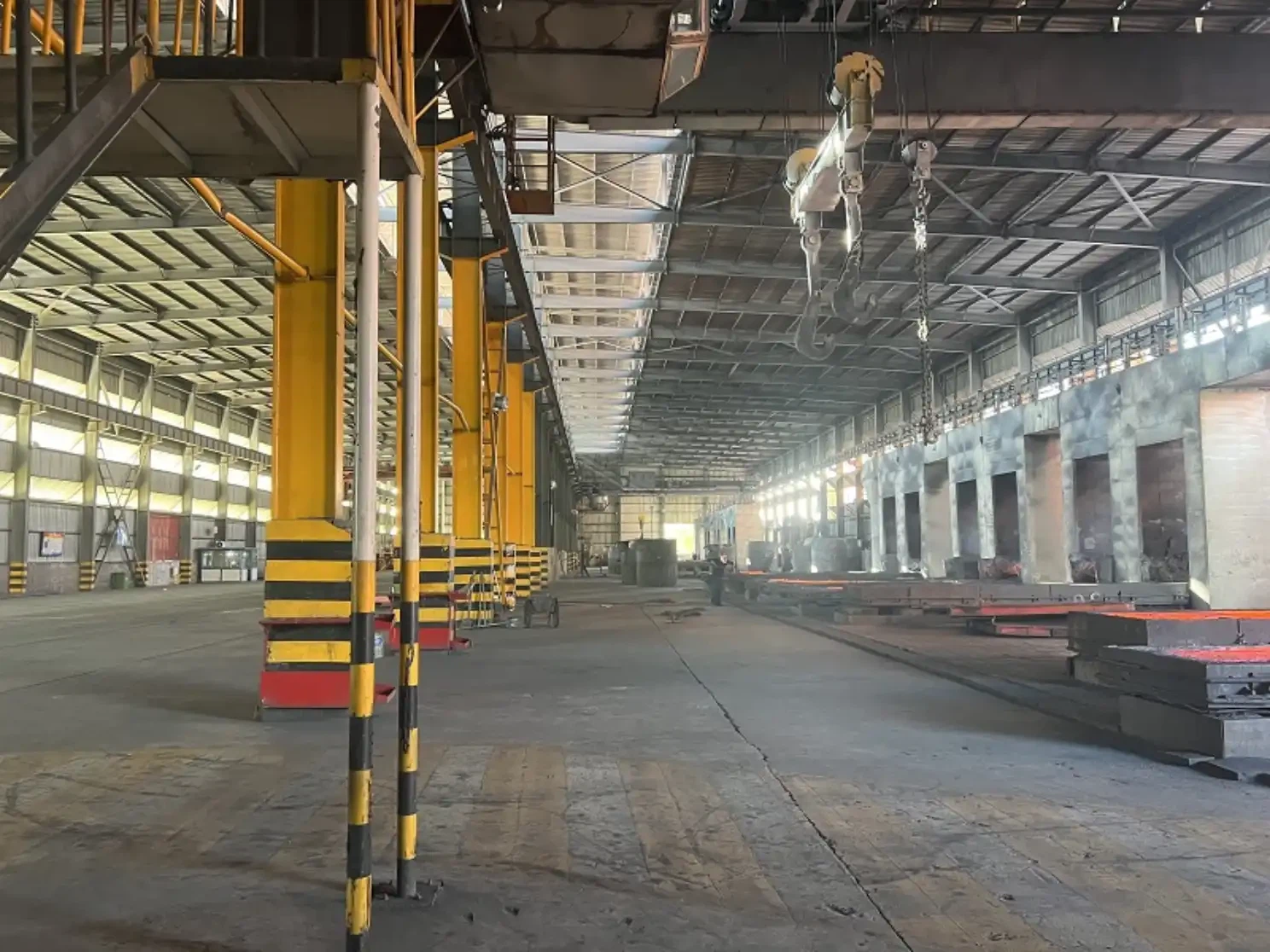
30000+
Square Meters Built
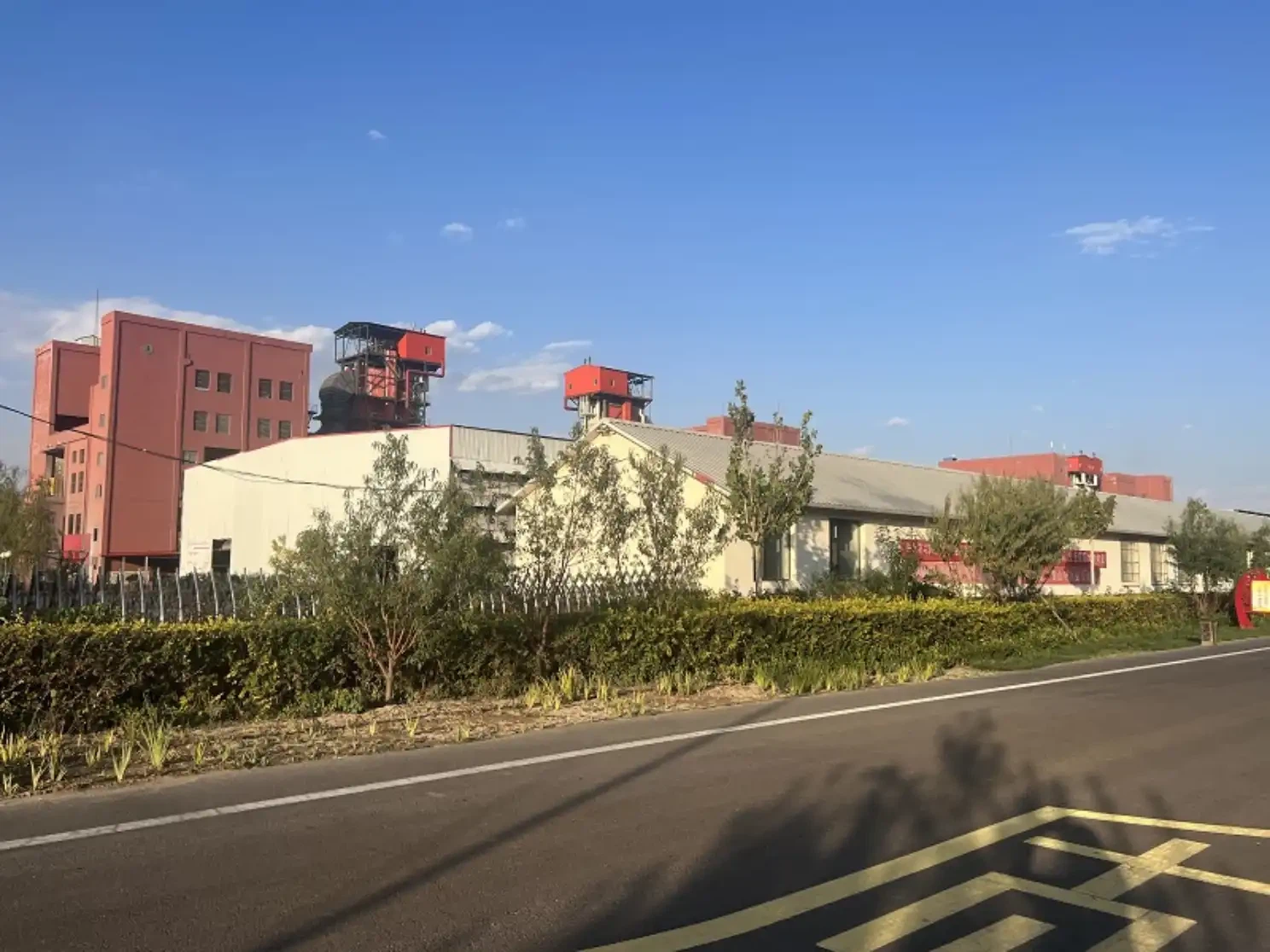
30+
Years
Our Team
Customer Centered
- We have a dedicated and efficient export department that specializes in documentation, packaging, and shipping services to provide reliable services to customers around the world.
Reputation For Development
1. We offer the most competitive prices.
2. We provide relevant professional product consulting.
3. We are willing to help customers find any potential products and merchandise.
4. You can visit our factory by yourself.
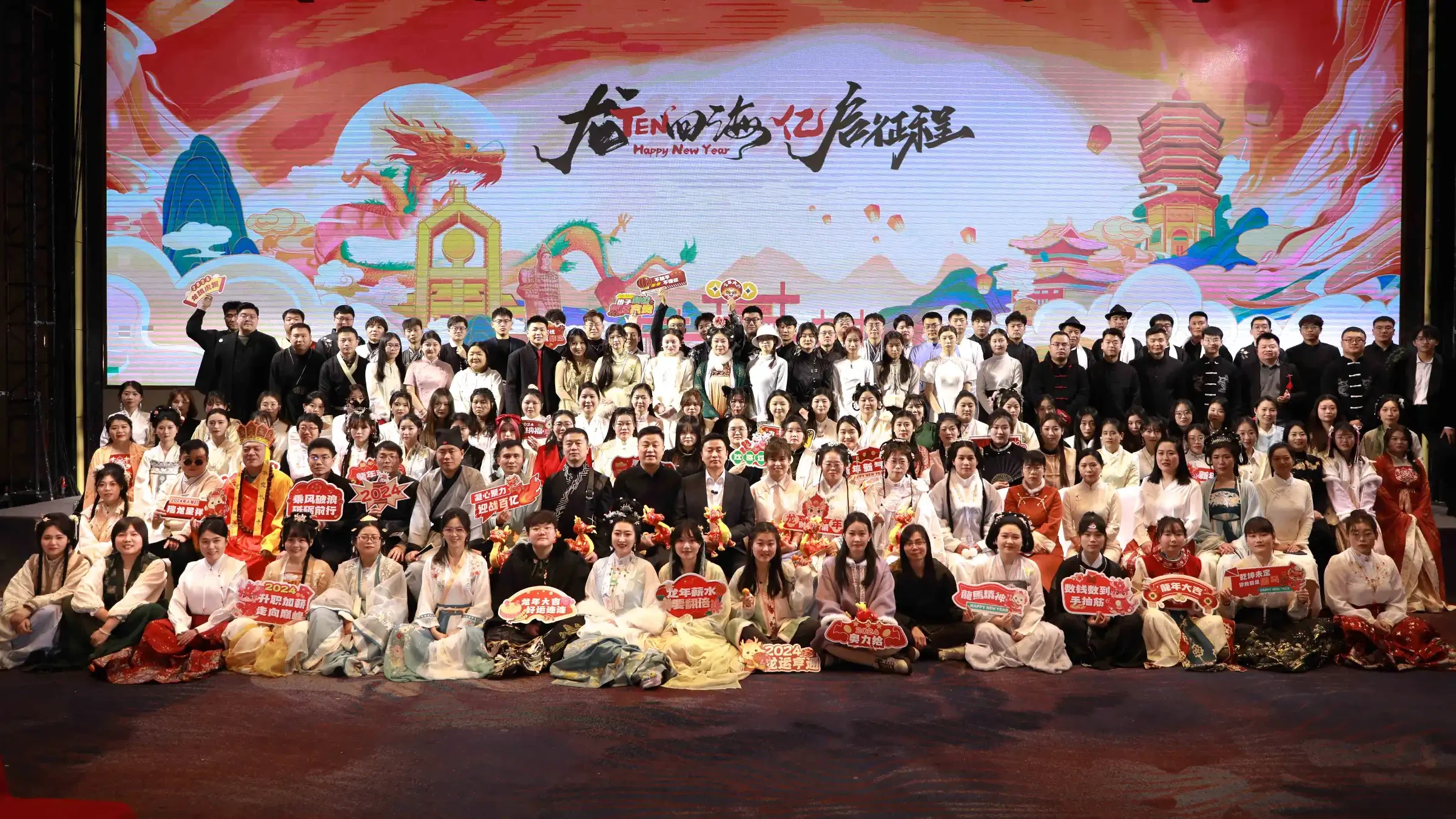

200+ Enterprise Employees
- Our engineers can provide customized solutions for different customers' needs.
- Our sales team can provide professional advice and support to our customers.
- Our quality inspectors ensure that each batch of products meets international standards.
100+ Cooperating Partner
- We not only meet the needs of China steel companies
- But also export our products to 150 countries and regions including Japan, South Korea, India, Europe, and the United States.
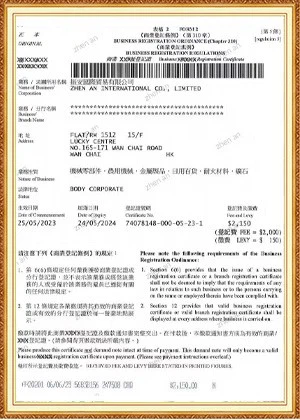
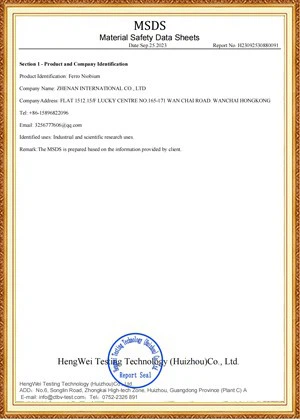
CERTIFICATIONS
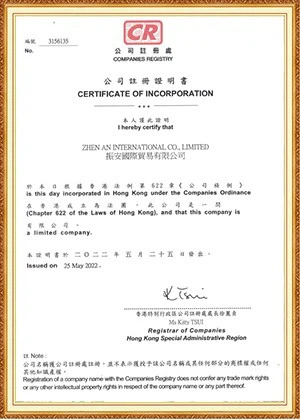


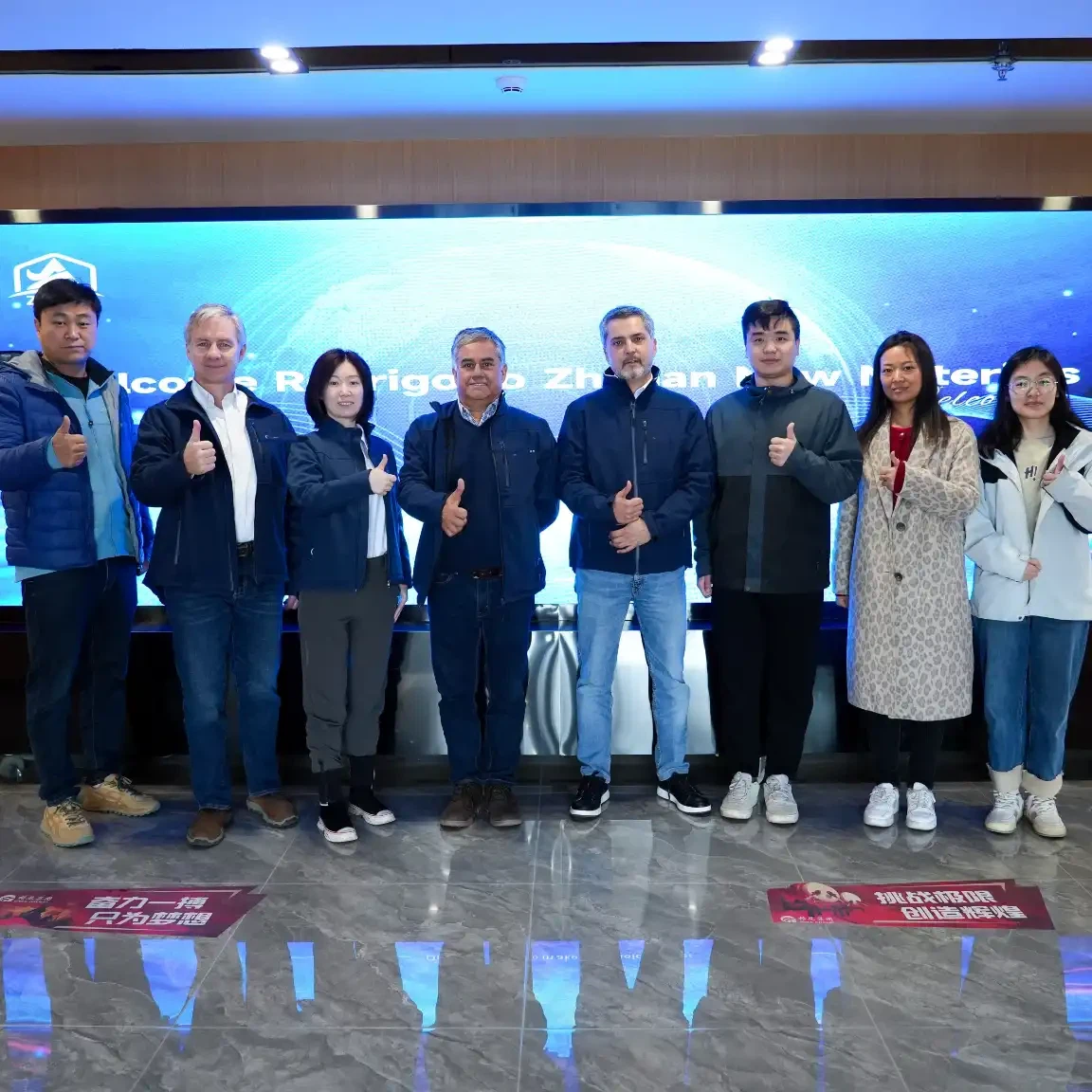
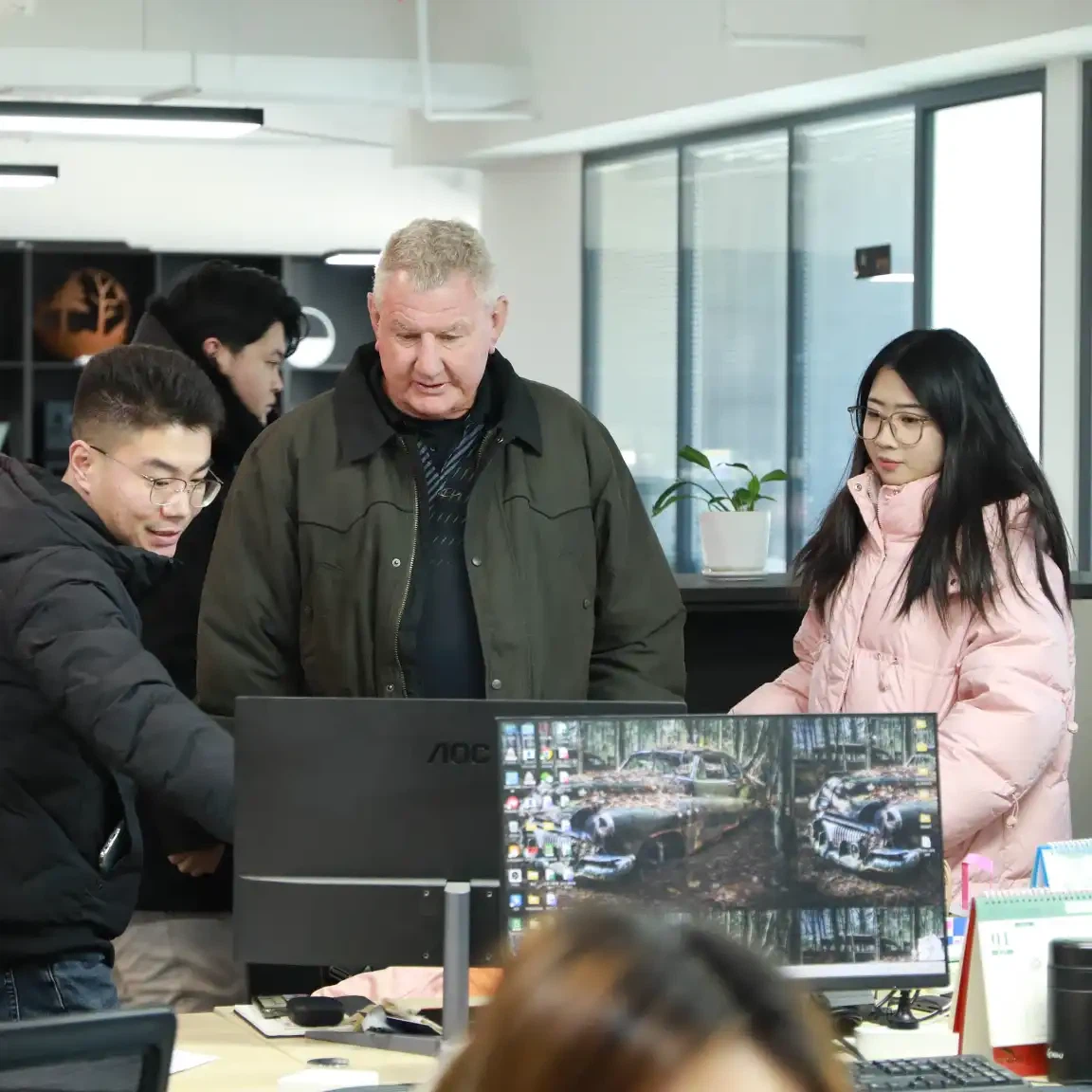
CUSTOMER VISIT




FAQ
Q: What are the usage of silicon mental?
It is used in transistors, solar cells, light-emitting diodes (LEDs), and other semiconductor devices. Small quantities of germanium can be alloyed with silicon to produce better transistors that withstand higher temperatures.
Silicon carbide is utilized as an abrasive in the manufacturing of ultrahard materials. It is also used as a semiconductor material in power electronics.
It is alloyed with metals to make high-performance alloys for use in high-temperature environments or reduce the metal's weight.
Q: What are the advantages of silicon mental?
It can create covalent bonds with other atoms, such as hydrogen and nitrogen, because it has four valence electrons.
The bandgap is 1.1 eV, which means that it has the potential to conduct electricity under the right conditions.
It works well with semiconductors to create integrated circuits. This means computers and other electronic devices can be designed from silicon.
Q: Is silicon a unique element?
Q: How is silicon used?
Q: What is silicon used for in everyday life?
Q: What are some properties of silicon?
Q: What are the impurities present in silicon metal?
Q: What does natural silicon look like?
Q: What is the purest silicon?
Q: How is silicon metal produced?
Q: What are the storage and handling considerations for silicon metal?
Q: How is the quality of silicon metal determined?
Q: How is silicon metal transported?
Q: Is silicon metal strong?
Q: What are the factors affecting the price of silicon metal?
Q: Why is pure silicon important?