



Ferro Vanadium
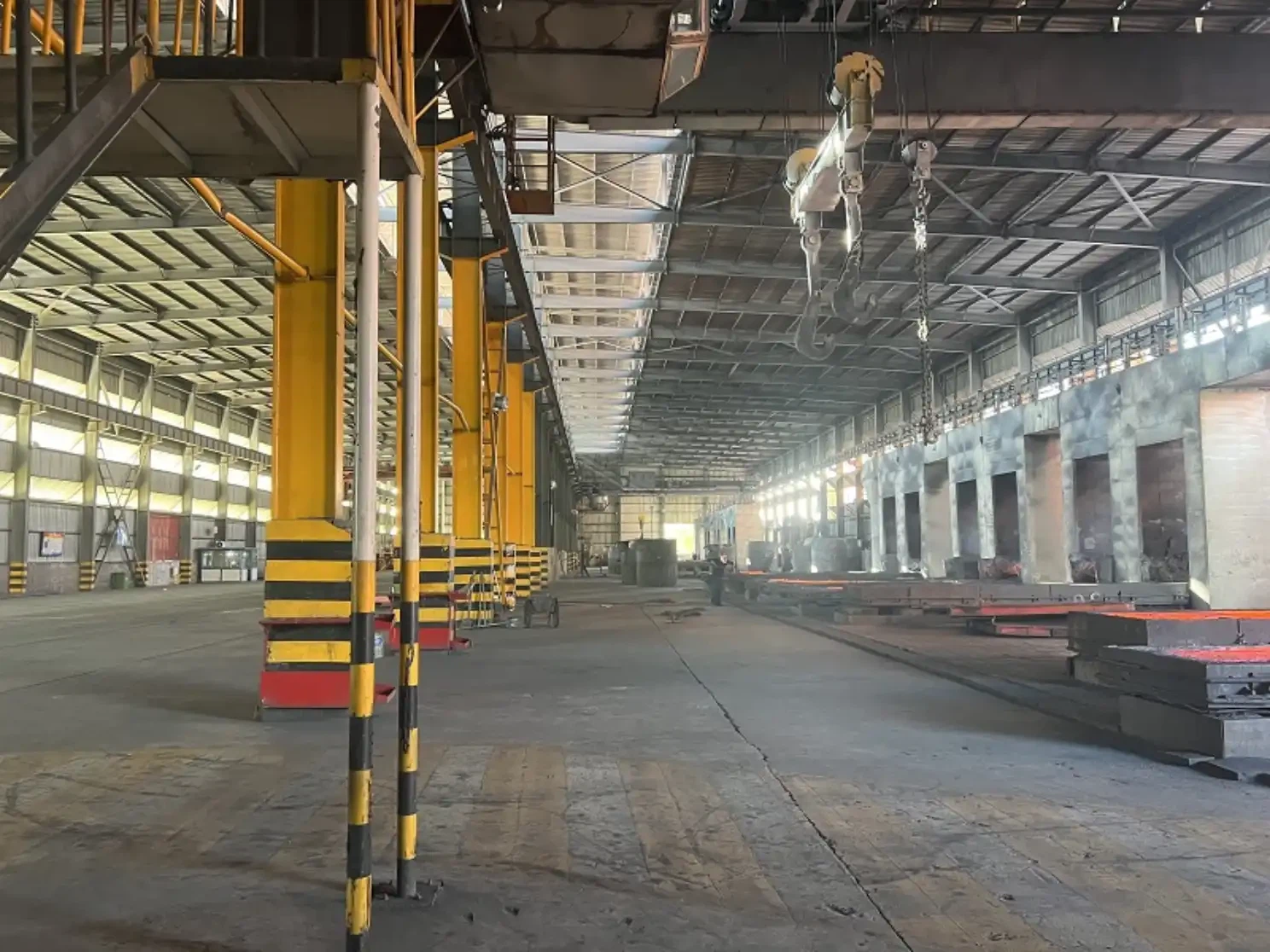
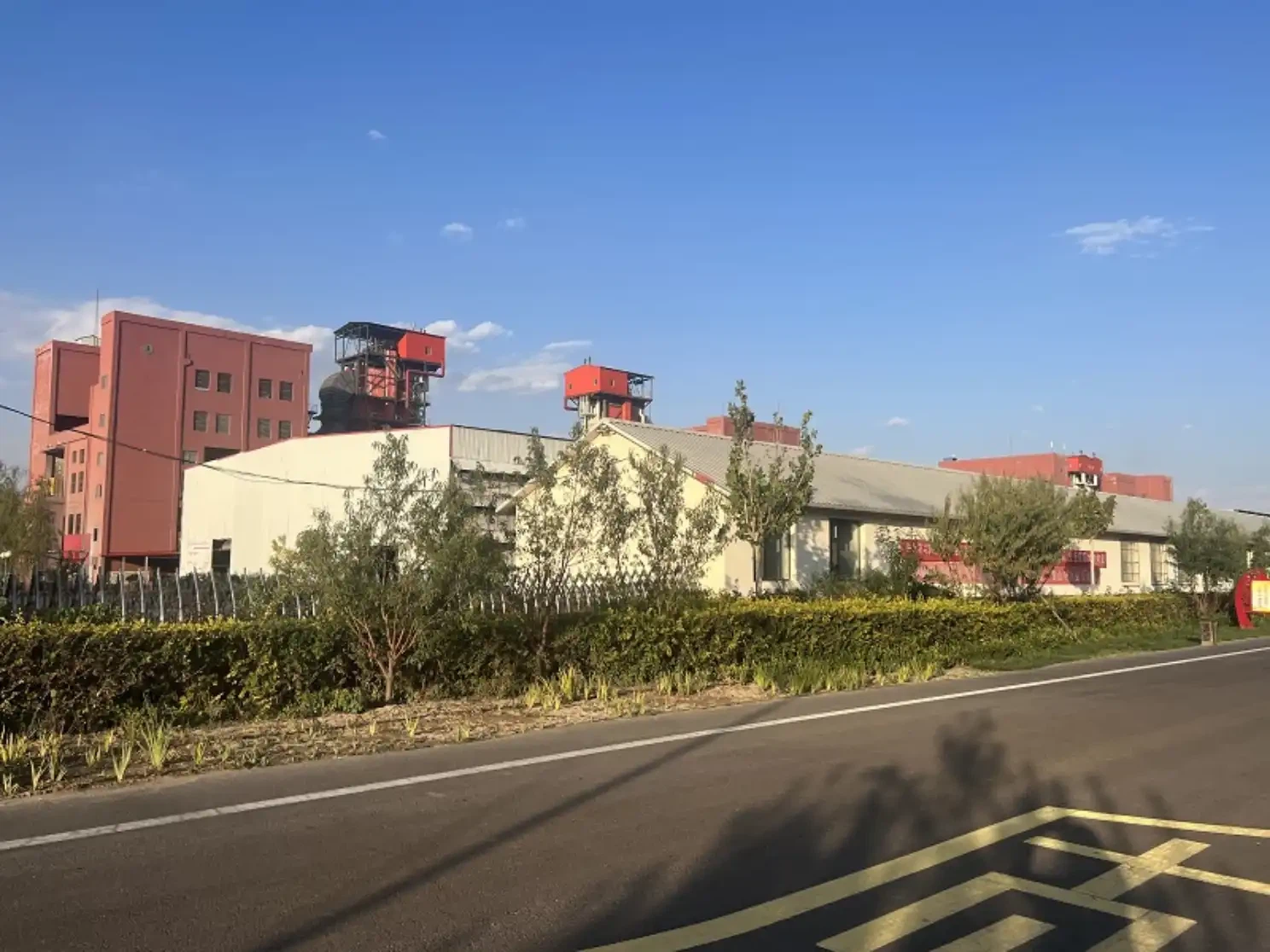
ZHEN AN INTERNATIONAL CO., LIMITED is a corporation that integrates production, processing, sales, and import and export operations. It has a 30,000 square meter footprint, produces and sells more than 150,000 tonnes of goods annually, and is equipped with all the latest production tools. So far, the company has 2 production plants, 8 12500KW submerged arc furnaces, multiple crushing equipment production lines, and more than 300 employees.
Why Choose Us
Professional Team
We have 26 senior technical engineers who have many years of experience in metallurgy production and application and can provide customized solutions for different customer needs. Our sales team is familiar with industry dynamics and market trends and can provide customers with professional advice and support.
High Quality
With a deep understanding of the metallurgical sector, our team is adept at handling every aspect of production and quality control. Our quality inspectors strictly control the quality of each link to ensure that each batch of products meets international standards.
Advanced Equipment
We Have 4 sets of production lines for ferroalloy of 20,000 TPY; 4 sets of production lines for Alloy cored wire of 30,000 TPY; 6 sets of vacuum furnaces; and 10+ sets of furnaces for other purposes.
Wide Market
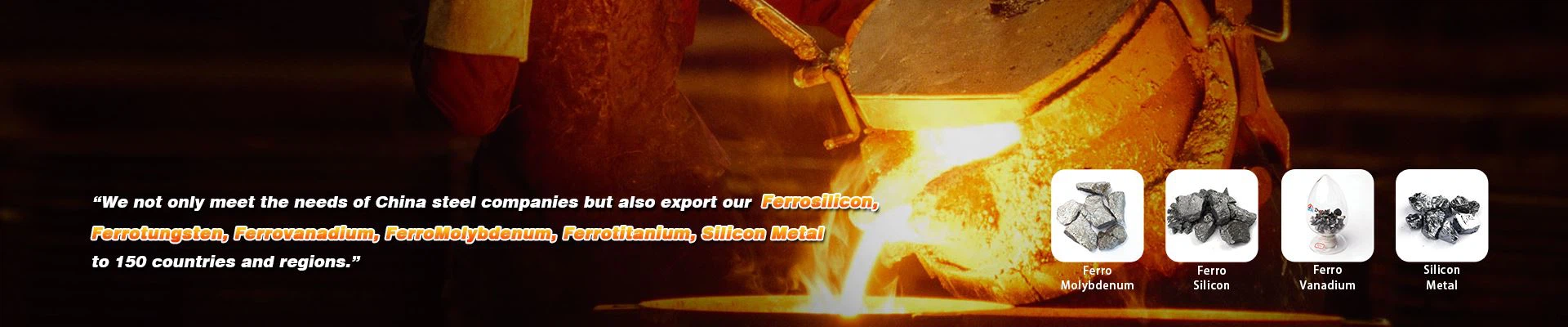
We not only meet the needs of China steel companies but also export our products to 150 countries and regions including Japan, South Korea, India, Europe, and the United States.
Perfect Service
All after-sale requests will be responded to in 24 hours. Close follow-up of all orders by special person and keep customers informed timely. We provide you with quick and warm service throughout the whole process.
Fast Delivery
We have a dedicated and efficient export department that specializes in documentation, packaging, and shipping services to provide reliable services to customers around the world, ensuring timely delivery and on-time shipping to the destination.


What Is Ferro Vanadium?
Ferro vanadium (FeV) is an alloy formed by combining iron and vanadium with a vanadium content range of 35–85%. Iron Vanadium is used as an additive to improve the qualities of ferrous alloys. One such use is to improve corrosion resistance to alkaline reagents as well as sulfuric and hydrochloric acids. It is also used to improve the tensile strength-to-weight ratio of the material.
Chemical Compositions of ferrovanadium
| Brand | Chemical Compositions (%) | ||||||
| V | C | Si | P | S | Al | Mn | |
| ≤ | |||||||
| FeV40-A | 38.0~45.0 | 0.60 | 2.0 | 0.08 | 0.06 | 1.5 | --- |
| FeV40-B | 38.0~45.0 | 0.80 | 3.0 | 0.15 | 0.10 | 2.0 | --- |
| FeV50-A | 48.0~55.0 | 0.40 | 2.0 | 0.06 | 0.04 | 1.5 | --- |
| FeV50-B | 48.0~55.0 | 0.60 | 2.5 | 0.10 | 0.05 | 2.0 | --- |
| FbV60-A | 58.0~65.0 | 0.40 | 2.0 | 0.06 | 0.04 | 1.5 | --- |
| FeV60-B | 58.0~65.0 | 0.60 | 2.5 | 0.10 | 0.05 | 2.0 | --- |
| FbV80-A | 78.0~82.0 | 0.15 | 1.5 | 0.05 | 0.04 | 1.5 | 0.50 |
| FbV80-B | 78.0~82.0 | 0.20 | 1.5 | 0.06 | 0.05 | 2.0 | 0.50 |
Ferro Vanadium Lumps
Ferrovanadium Lumps is an iron alloy consisting of vanadium and iron and is mainly used as an alloy additive in steel making, and high vanadium ferrovanadium is also used as an additive in non-ferrous alloys.
Ferro Vanadium 50
Ferro vanadium 50 is a conventional ferroalloy for steelmaking and is mainly used in the production of alloy steels. Vanadium in alloy steel is mainly to refine the grain, increase the strength and toughness of steel, and other roles; in spring steel can be used in conjunction with chromium or manganese to increase the elastic limit of the steel and to improve its quality; can also be applied to tool steel, cast iron and so on to play a useful role.
Ferro Vanadium 60
Ferro vanadium 60 is a ferroalloy that can be obtained by reducing vanadium pentoxide with carbon in an electric furnace or by the four-heat reduction of vanadium pentoxide in an electric furnace. Ferro vanadium 60 is widely used as an admixture in the smelting of vanadium-alloyed steels and alloy cast irons and, in recent years, in the manufacture of permanent magnets. Ferro vanadium 60 is mainly used in the smelting of alloy steels. For example, it is widely used in spring steel, bearing steel, and cast iron.
Ferro Vanadium 80
Ferro vanadium 80 as a steelmaking additive can improve the comprehensive performance of steel, such as enhancing the steel wear resistance, heat resistance, corrosion resistance, toughness, etc. In addition, it is a strong stabilizer in titanium-iron alloys.
The Main Applications of Ferro Vanadium
Ferro vanadium is an essential element in the construction, automotive, aerospace, and other industries.
The main function of ferro vanadium is to improve the structural strength and durability of steel. It is a well-known fact that steel is one of the most widely used metals in the world, and its strength and toughness are essential to many applications. Ferro vanadium, when added to steel, increases its strength, hardness, and wear resistance, making it an excellent material for high-performance applications.
One of the major benefits of ferro vanadium is that it enhances the toughness of steel without sacrificing its hardness. This is important in applications where the material needs to be both tough and durable. For example, the construction industry uses ferro vanadium to make rebar, which is used to reinforce concrete structures and buildings. Rebar made with ferrovanadium is stronger, more durable, and can withstand higher loads than ordinary rebar.
Another application of ferro vanadium is in the production of magnets, especially in the manufacture of neodymium-iron-boron (NdFeB) magnets. NdFeB magnets are used in a wide range of electrical and electronic applications, including electric motors, generators, and hard disk drives. The addition of ferro vanadium to these magnets results in increased magnetic strength and improved magnetic properties.
Ferro vanadium is also used in the production of high-strength, low-alloy (HSLA) steels, which are used in a wide range of industrial and commercial applications. HSLA steels have excellent strength and toughness, making them ideal for applications where weight reduction is a critical factor. They are used in the construction of bridges, power transmission towers, and pipelines. They are also used in the aerospace industry to make structural components for aircraft.
In the automotive industry, ferro vanadium is widely used to make high-strength components such as gears, axles, and crankshafts. These components need to withstand high loads and stresses, and using ferro vanadium in their production results in stronger, more durable, and longer-lasting parts. This is important for both safety and performance reasons.
Ferro vanadium is also used as a catalyst in the manufacture of sulfuric acid, an essential chemical used in the production of fertilizers, detergents, and other industrial chemicals. It is also used in the manufacture of specialty alloys such as nickel-vanadium, which are used in the aerospace and defense industries.
Hardness: Ferro vanadium is a hard alloy, providing excellent wear resistance and durability.
High Melting Point: Ferro vanadium has a considerably high melting point of around 1900°C, making it suitable for use in high-temperature applications.
Ductility: Ferro vanadium has good ductility, which means that it can be formed into various shapes without breaking.
Thermal Expansion: Ferro vanadium exhibits a low thermal expansion coefficient, making it ideal for applications where temperature variations are frequent.
Corrosion Resistance: Ferro vanadium is highly resistant to corrosion, ensuring long-lasting performance over time.
Conductivity: Ferro vanadium has exceptional electrical conductivity, making it a preferred choice for the production of electrical materials and equipment.
Magnetic Properties: Ferrovanadium is magnetic, providing excellent magnetic properties that are beneficial in a wide range of applications.
Density: Ferro vanadium has a relatively high density, ensuring high performance in applications that require weight-bearing materials.
Tensile Strength
Ferro vanadium offers excellent tensile strength, providing high performance and stability under pressure.
Thermal Conductivity
Ferro vanadium exhibits good thermal conductivity, making it suitable for use in the production of heat exchange equipment and components.
Reflectivity
Ferro vanadium has a high reflectivity, providing excellent performance in optical applications.
Steel Industry to Adopt the Largest Application of Ferro Vanadium
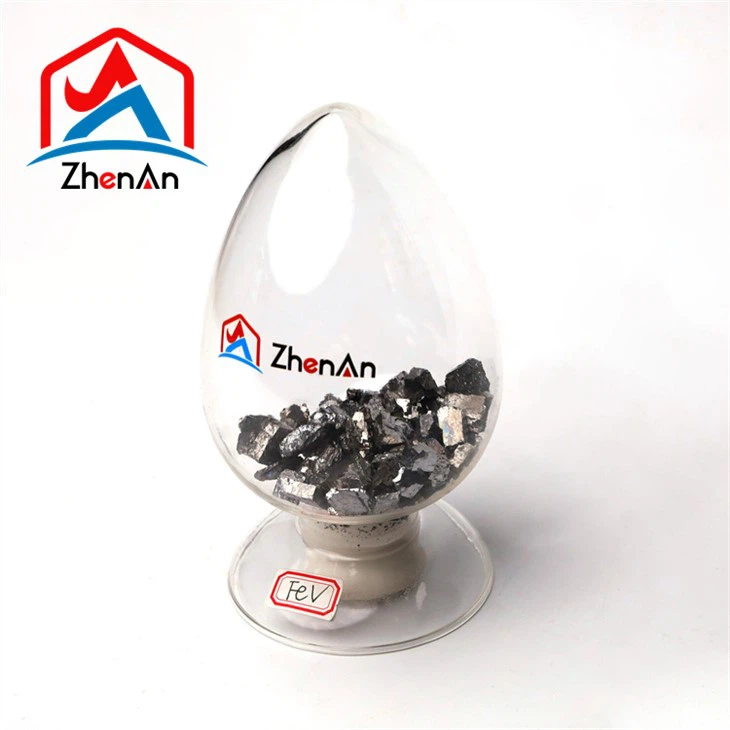

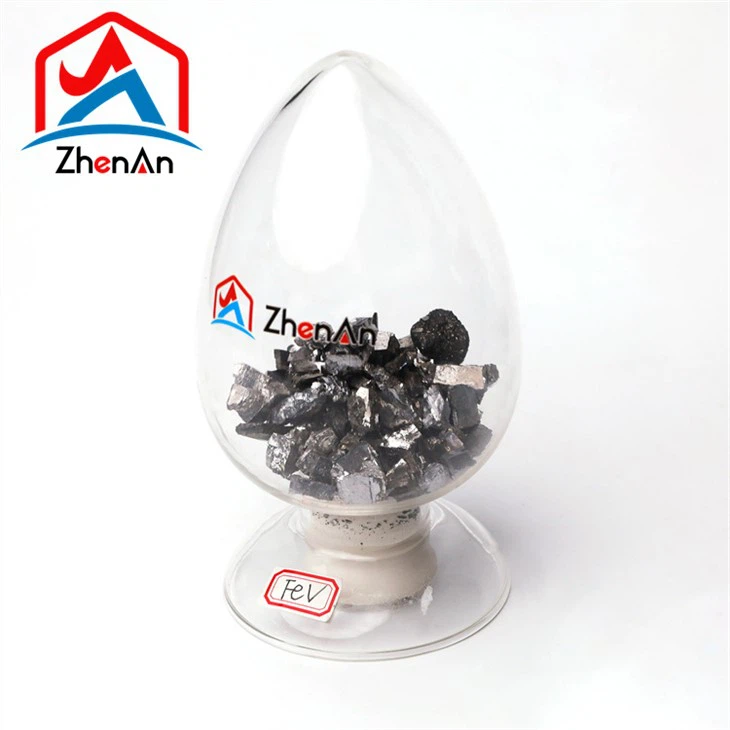

Ferrovanadium is an alloy used as an additive to improve the quality of ferroalloys. It is also used in the manufacturing of steel for the products to be lightweight and have high tensile strength. Ferro vanadium is a combination of iron and vanadium, and the content of vanadium varies from 35% to 80%. It improves corrosion resistance to sulfuric and hydrochloric acids as well as alkali solutions. Apart from iron and vanadium, small amounts of certain elements are also found in ferro vanadium such as aluminum, silicon, sulfur, carbon, arsenic, phosphorus, copper, arsenic, and manganese. Depending on the concentration of these substances, the grade of ferro vanadium is determined.
Over the years, ferro vanadium has found its applications in various other industries as well. The largest use of vanadium accounts in ferrovanadium for 85% or more. Based on the vanadium content, there are two common grades of ferro vanadium, a 45-55% vanadium product and a 78-82% vanadium product. Ferro vanadium is used in many steel products for different applications ranging from construction alloy steels to micro-alloy steels. Ferro vanadium is the best-strengthening substance for steel and enhances its tensile strength. Therefore, it is highly applicable in construction, provides the required strength for architectural design, and reduces catastrophic destruction in natural disaster-prone areas.
Other applications of ferrovanadium include rail steels, die steels, heat-resisting tools, and other special steels. Such products are used in infrastructure including road and railways, in buildings, and production of appliances. Owing to excellent structural strength, hardness, and ductile properties, ferrovanadium also has myriad applications in pipelines, automotive, ships, aerospace, and many more.
In the late 1800s, vanadium steel was used to protect the outer covering of battleships to make them impenetrable to explosive shells. Microalloy steels or high-strength low-alloy steel is another large application of ferrovanadium. These are extensively used in concrete reinforcing bars, structural plates and shapes for construction, and in different components of automobiles.
Ferro vanadium toughens the steel making it highly resistant to temperature and corrosion. Apart from being a component of steel, ferro vanadium can also be used as a coating. Nitrated ferro vanadium increases the abrasion resistance of steel by 30-50%. Growing applications of hardened steel in the manufacturing of bicycles, frames, crankshafts, axles, and other steel components will enhance the use of ferrovanadium to a wider extent. Ferro vanadium is also used in titanium alloy for the manufacturing of jet engines.
The production of ferrovanadium involves several stages. The first step is the preparation of raw materials. Vanadium pentoxide and scrap metal are the two main raw materials used in the production of ferro vanadium. Vanadium pentoxide is extracted from vanadium ores and purified to remove impurities.
Once the raw materials are prepared, they are weighed and mixed in the right proportions to obtain the desired composition. The mixed materials are then loaded into electric furnaces for melting. The electric oven is usually a large cylindrical steel container with heating elements on the sides. The furnace operates at high temperatures and the charge melts and forms a bath of liquid metal.
The reduction of vanadium pentoxide with iron occurs in the liquid metal bath. During the reduction process, vanadium pentoxide reacts with iron to form ferro vanadium. The reaction is very exothermic and releases a lot of heat. The heat generated helps maintain the high temperature required for the reaction to occur.
The reaction between vanadium pentoxide and iron is complex and involves multi-step processes. At the high temperature, the vanadium pentoxide undergoes reduction to form vanadium dioxide. Vanadium dioxide then reacts with iron to form a solid intermediate product, iron vanadium oxide. The iron vanadium oxide dissolves in the liquid bath to form ferro vanadium. The reaction takes several hours to complete and the oven may need to be heated for several days to ensure the reaction is complete.
Once the reaction is complete, the molten ferro vanadium is poured into molds to solidify. The solidified ferro vanadium is then ground into small pieces for further processing. The size of the parts depends on the ferro vanadium application. For example, ferrovanadium used in steel production requires smaller pieces than that used as a catalyst.
Emergency Treatment after Exposure to Ferro Vanadium
- If the ferro vanadium gets into the eyes, remove any contact lenses at once and irrigate immediately for at least 15 min, occasionally lifting the upper and lower lids. Seek medical attention immediately.
- If the ferro vanadium contacts the skin, remove contaminated clothing and wash it immediately with soap and water. Seek medical attention immediately.
- If the ferro vanadium has been inhaled, remove it from exposure, begin rescue breathing (using universal precautions, including a resuscitation mask) if breathing has stopped, and CPR if heart action has stopped. Transfer promptly to a medical facility.
- When the ferrovanadium has been swallowed, get medical attention. Give large quantities of water and induce vomiting. Do not make an unconscious person vomit.
Our Factory
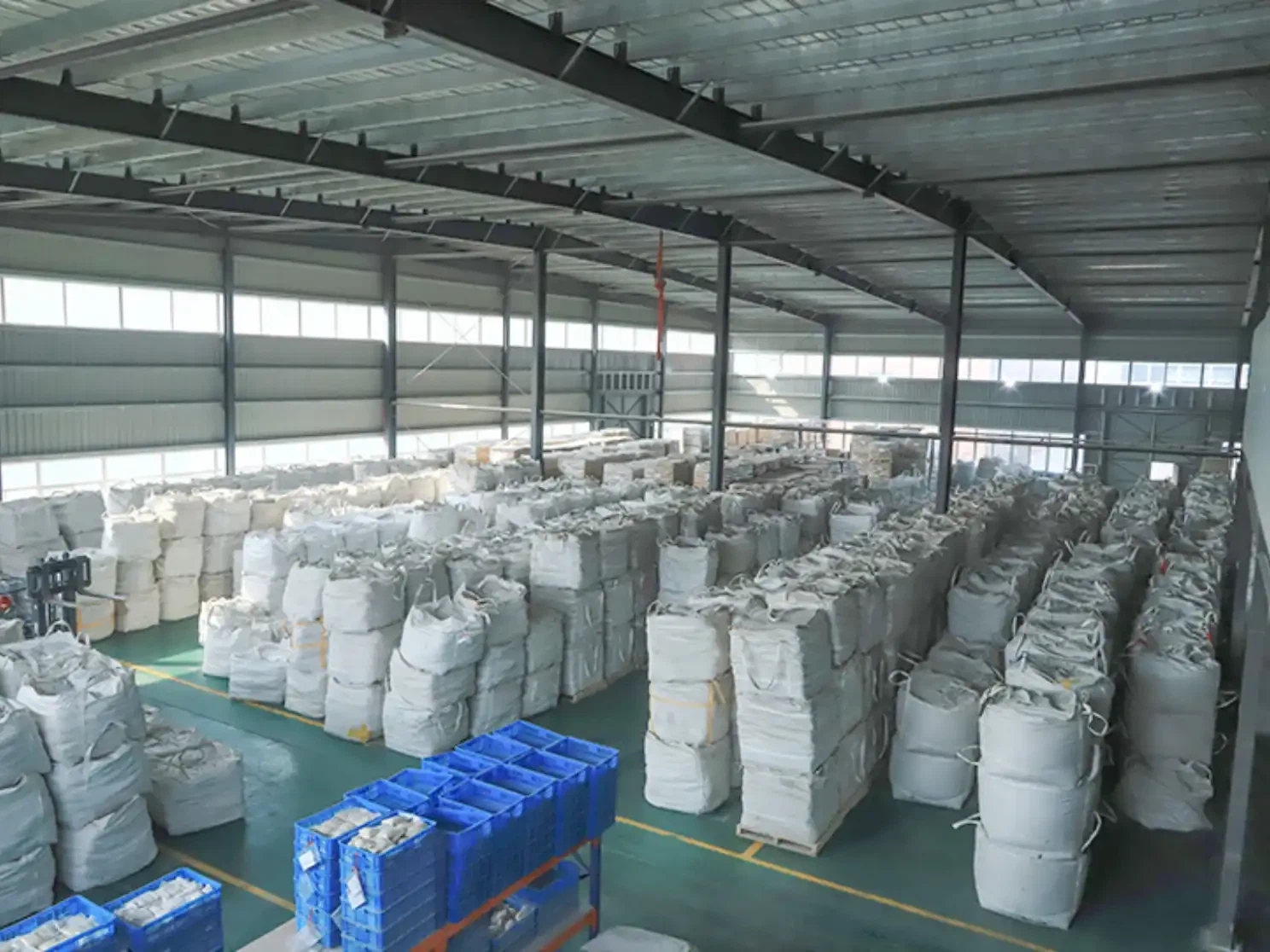
150,000+
Annual Production
30000+
Square Meters Built
30+
Years
Our Team
Customer Centered
- We have a dedicated and efficient export department that specializes in documentation, packaging, and shipping services to provide reliable services to customers around the world.
Reputation For Development
1. We offer the most competitive prices.
2. We provide relevant professional product consulting.
3. We are willing to help customers find any potential products and merchandise.
4. You can visit our factory by yourself.


200+ Enterprise Employees
- Our engineers can provide customized solutions for different customers' needs.
- Our sales team can provide professional advice and support to our customers.
- Our quality inspectors ensure that each batch of products meets international standards.
100+ Cooperating Partner
- We not only meet the needs of China steel companies
- But also export our products to 150 countries and regions including Japan, South Korea, India, Europe, and the United States.
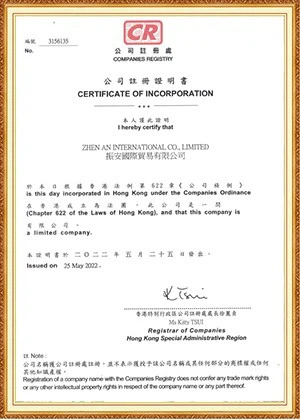
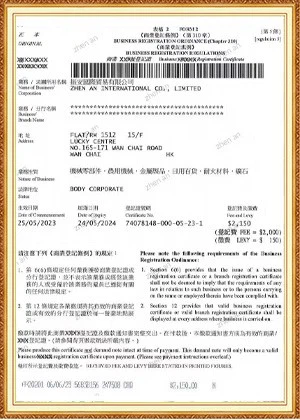
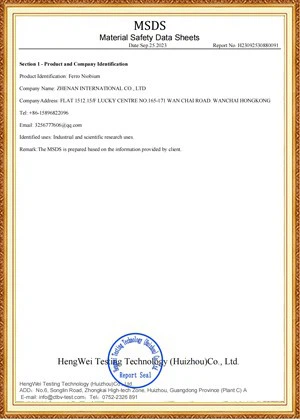
CERTIFICATIONS


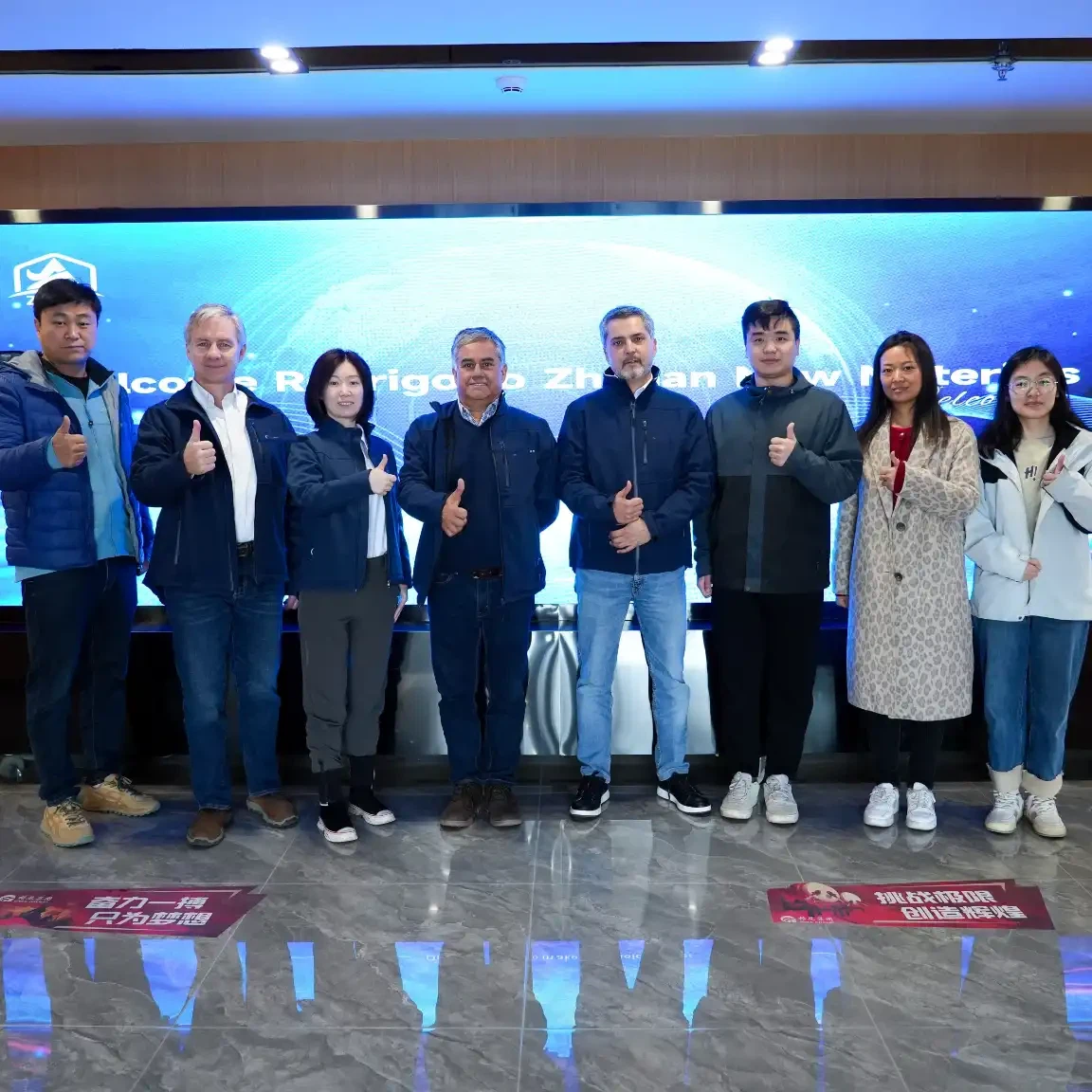
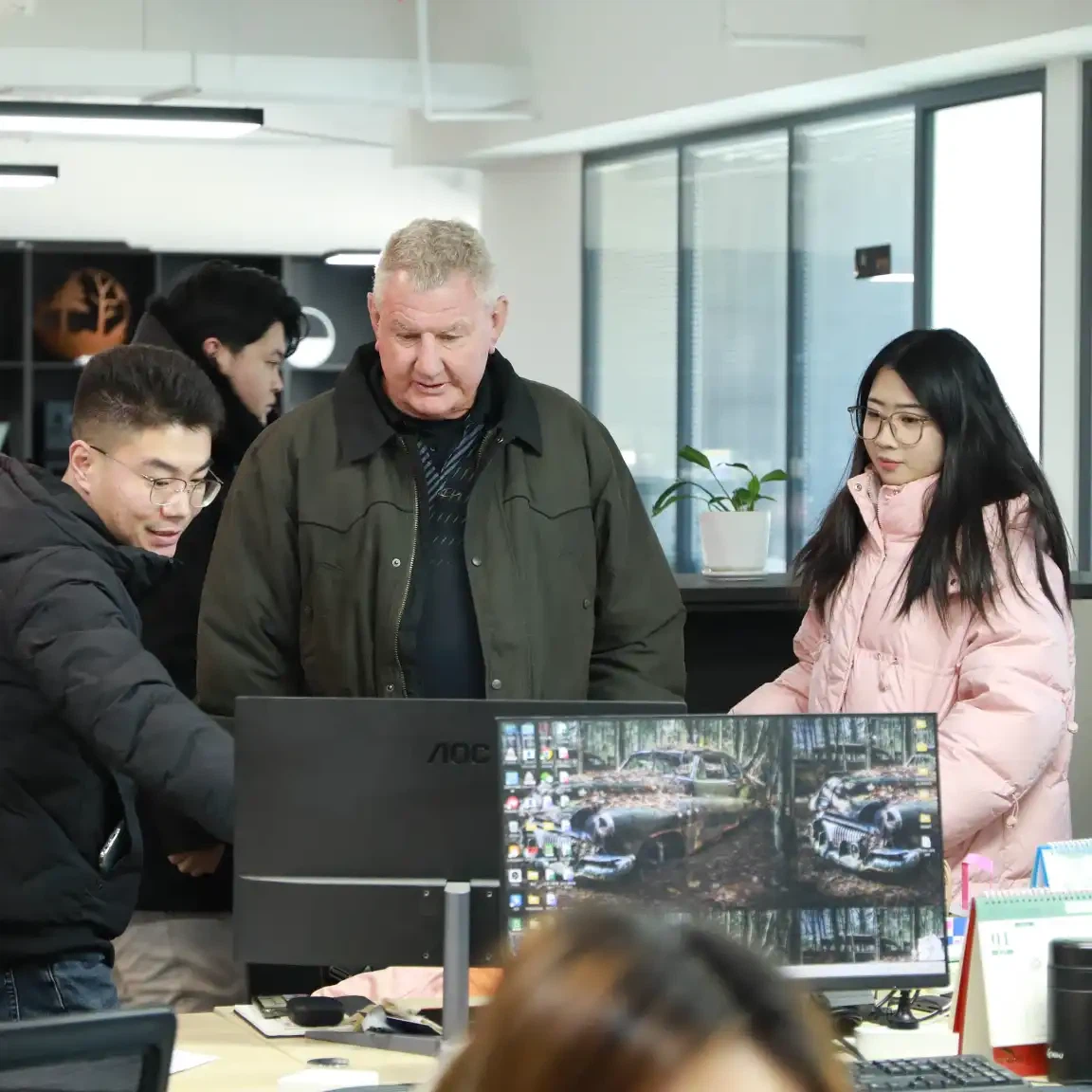
CUSTOMER VISIT




FAQ
Q: What are the main applications of ferro vanadium?
Q: What is ferro vanadium?
Q: What are the physical properties of ferrovanadium?
Q: What is the raw material of ferro vanadium?
Q: What is the melting point of ferro vanadium?
Q: How do you make ferro vanadium?
Q: What is the impact of ferrovanadium on the environment?
Q: How to properly store and transport ferro vanadium?
Q: How to judge the quality of ferro vanadium?
Q: How to detect the impurity content in ferro vanadium?
Q: What is the chemical composition of ferro vanadium?
Q: What are the chemical properties of ferro vanadium?
Q: What are the methods and materials for containment and cleaning up?
Q: What are the accidental release measures?
Avoid breathing mist, gas or vapors.
Avoid contact with skin and eyes.
Use personal protective equipment.
Wear chemical impermeable gloves.
Ensure adequate ventilation.
Remove all sources of ignition.
Evacuate personnel to safe areas. Keep people away from and upwind of spill/leak.