



Ferro Manganese
ZhenAn is a corporation that integrates production, processing, sales, import and export operations. Covering 30,000 square meter footprint, it produces and sells more than 150,000 tonnes of goods annually, and is equipped with all the latest production tools. With thirty years of expertise, we are a top producer and supplier of metallurgical raw materials, dedicated to providing high-quality Ferro Alloys, Silicon Metal and Silicon Metal Powders, Ferro Silicon, Ferro Vanadium, Ferro Titanium, and other items. We always provide products with good quality and low price.
Why Choose Us
Professional Team
We have 26 senior technical engineers who have many years of experience in metallurgy production and application and can provide customized solutions for different customer needs. Our sales team is familiar with industry dynamics and market trends and can provide customers with professional advice and support.
High Quality
With a deep understanding of the metallurgical sector, our team is adept at handling every aspect of production and quality control. Our quality inspectors strictly control the quality of each link to ensure that each batch of products meets international standards.
Advanced Equipment
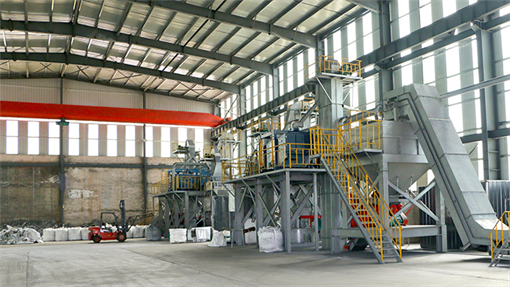
Equipped with all the latest production tools, the company has 2 production plants, 8 12500KW submerged arc furnaces and multiple crushing equipment production lines.
Wide Market
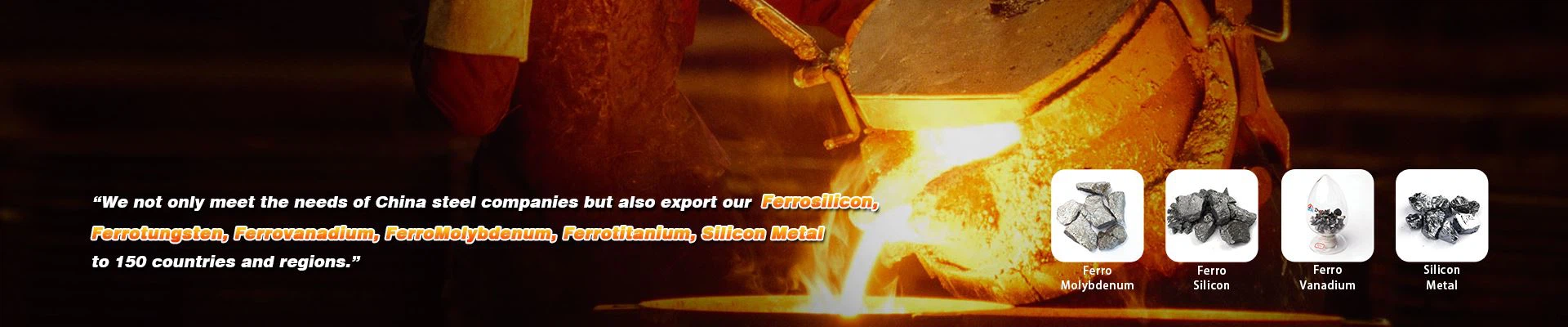
We not only meet the needs of China steel companies but also export our products to 150 countries and regions including Japan, South Korea, India, Europe, and the United States.
Perfect Service
All after-sale requests will be responded to in 24 hours. Close follow-up of all orders by special person and keep customers informed timely. We provide you with quick and warm service throughout the whole process.
Fast Delivery
We have a dedicated and efficient export department that specializes in documentation, packaging and shipping services to provide reliable services to customers around the world, ensuring timely delivery and on-time shipping to the destination.


What Is Ferro Manganese?
Ferro manganese is an alloy of iron and manganese, with other elements such as silicon, carbon, sulfur, nitrogen and phosphorus. The primary use of ferro manganese is as a type of processed manganese source to add to different types of steel, such as stainless steel.
Chemical Composition of Ferro Manganese
Manganese (Mn): Manganese is a vital element in ferro manganese composition, usually containing between 65% and 80%. It increases the hardenability of steel and the presence of manganese contributes to the wear resistance of the alloy, making it a desirable option for tough conditions such as impact and abrasion.
Iron (iron): Iron is the second major component and has a percentage between 20 and 35 percent. It imparts structural integrity and mechanical strength to the alloy. The interaction between iron and other elements during the alloying process affects the final properties of the steel, making it suitable for specific applications.
Trace elements: In addition to iron and manganese, ferro manganese may contain trace elements such as silicon (1% to 2%), carbon (0.5% to 2%), phosphorus, and sulfur (less than 0.1% each). Silicon increases the fluidity of the alloy during the melting process and contributes to deoxidation and impurity removal. Carbon increases the hardness and mechanical strength of the alloy, while phosphorus and sulfur contribute to corrosion resistance. The low levels of phosphorus and sulfur are intentional to avoid negative effects on the mechanical properties of the steel.
Magnetic Properties
One of the distinctive features of ferro manganese is its strong magnetic properties. It exhibits ferromagnetism, meaning it can be easily magnetized and retains its magnetization even after the removal of an external magnetic field. This feature makes ferro manganese valuable in the production of magnetic materials such as transformers and electric motors.
Strength and Durability
Ferro manganese increases the strength and durability of steel when used as an alloying element. The addition of ferro manganese to steel provides toughness and wear resistance, making it suitable for applications requiring a strong and durable material. This strength is particularly beneficial in construction, infrastructure, and manufacturing.
Deoxidizing Agent
Ferro manganese is an effective deoxidizing agent in steel production. it helps remove oxygen and other impurities from the molten steel, helping the production of high-quality steel with improved mechanical properties. This ability to deoxidize is crucial to achieve the desired properties of steel in various industries.
High Melting Point
The high melting point of ferro manganese makes it suitable for applications involving extreme temperatures. This property is particularly important in industries such as metallurgy, where materials must withstand high temperatures during processing without compromising their structural integrity.
Corrosion Resistance
Alloying ferro manganese composition with steel increases its resistance to corrosion. This is especially useful in environments where exposure to moisture, chemicals or harsh weather conditions could otherwise lead to deterioration of materials. The corrosion-resistant properties of ferromanganese alloys make them ideal for exterior structures and marine applications.
Ferro Manganese Main Uses are as Follows
Steel Industry
Ferro manganese is indispensable in steelmaking industry deoxidizer, desulfurizer.Good need in smelting, steel deoxidation desulphurization processing, and using deoxidizing agent will greatly increase the cost, therefore, ferro manganese is a cheap deoxidizer, desulfurization is refers to the sulfur in the steel from harmful substances, such as ferro manganese we can achieve the purpose of the desulfurization very well, effectively reduce the content of harmful elements in steel, improve the quality of steel.In steelmaking industry, about 3 ~ 5kg75% ferro manganese is consumed per ton of steel produced.
Casting Industry
Ferro manganese can be added to cast iron as a nodular cast iron inoculant and nodular agent, and can prevent the formation of carbide, promote the precipitation of graphite greatly shorten the spheroidizing time, but also can greatly reduce the shape of impurities in molten iron, improve the quality of cast iron, improve the performance of cast iron.And reduce the smelting furnace nozzle blockage, effectively prolong the service life of smelting furnace.
Automotive Industry
Ferro manganese is utilized in the automotive sector for manufacturing components that require high tensile strength and durability, such as engine parts and chassis.
Construction Industry
In the construction field, ferro manganese-enriched steel is employed for creating robust structures that can withstand immense pressure, ensuring safety and longevity.
Railways and Transportation
Railway tracks and transportation infrastructure rely on ferro manganese-infused steel for its durability and resistance to wear and tear, ensuring smooth and safe travel.
Other Industries
High carbon ferro manganese or manganese alloy in the ferro alloy industry as a reducing agent for the production of low carbon ferro alloy. Ferro manganese powder in the mineral processing industry can be used as a suspended phase, in the electrode manufacturing industry for electrode coating;High manganese ferro manganese in the electrical industry can be used to prepare pure semiconductor manganese, in the chemical industry can be used to manufacture manganese ketone, etc.
Benefits of Ferro Manganese Alloy in the Industry


Increased Strength and Toughness
Ferro manganese significantly increases the tensile strength of steel, making it ideal for constructing sturdy buildings, bridges, and other infrastructure projects. The toughness of steel is also improved, enabling it to withstand heavy loads and harsh environments.
Enhanced Workability
The addition of ferro manganese to steel results in improved workability and weldability. This makes it easier for manufacturers to shape the steel into various forms for different applications.
Improved Hardenability
Ferro manganese alloy contributes to the hardenability of steel, a crucial factor in determining its suitability for various applications. The alloy achieves this by modifying the transformation of austenite into harder structures during the cooling process. The improved hardenability ensures that the steel can be effectively heat-treated to achieve desired hardness levels, making it versatile for applications where hardness is a critical parameter.
Corrosion Resistance
Corrosion resistance is a paramount consideration in material selection, especially for applications exposed to challenging environmental conditions. Ferro manganese alloy, with its manganese content, imparts notable resistance to corrosion. This makes it an excellent choice for manufacturing components that must endure outdoor exposure, such as bridges, pipelines, and marine structures.
Deoxidizing Agent
Ferro manganese serves as a powerful deoxidizing agent in steelmaking. It removes impurities such as oxygen and sulfur, enhancing the overall purity of the steel and improving its mechanical properties.
Availability
Another noteworthy advantage of ferro manganese alloy is its cost-effectiveness and widespread availability. The primary raw materials, iron, and manganese, are abundant, ensuring a stable supply chain. This abundance translates into a cost-efficient production process, making ferro manganese alloy an economically viable choice for industries seeking reliable and cost-effective materials.
Alloying Element
Beyond its intrinsic benefits, ferro manganese serves as a crucial alloying element in the production of other specialized alloys. The controlled addition of ferro manganese allows manufacturers to tailor the properties of alloys according to specific requirements. This versatility makes it an indispensable component in the metallurgical toolkit, influencing the characteristics of a wide array of alloys.
Stress Reliability in Extreme Conditions
Ferromanganese contributes to the stress reliability of steel, particularly in extreme conditions. The alloy’s ability to resist deformation and maintain structural integrity under high-stress conditions makes it an invaluable material for applications in aerospace, automotive, and energy sectors where components often face challenging operating conditions.
Reduced Maintenance Costs
The durability and corrosion resistance conferred by ferro manganese alloy contribute to a reduction in maintenance costs over the lifespan of products. Structures and components manufactured with this alloy require less frequent maintenance, translating into long-term cost savings for industries ranging from infrastructure to transportation.
What Is Silico Manganese?
Silico manganese, as the name suggests, is a compound of silicon (Si), manganese (Mn), iron (Fe), and carbon. It is primarily used as a deoxidizer and desulfurizer in the steelmaking process. Silicon manganese enhances the steel’s strength, ductility, and corrosion resistance, making it ideal for various applications.
What Is Ferro Manganese?
Ferro manganese, on the other hand, is an alloy composed of iron (Fe) and manganese (Mn). It is a crucial additive in steelmaking, known for its ability to deoxidize and desulfurize molten steel. Ferro manganese contributes to the steel’s hardenability and toughness, making it a valuable component in alloy steel production.
Chemical Composition
Silico Manganese:
- Silicon (Si): 15–30%
- Manganese (Mn): 60–70%
- Iron (Fe): 5–20%
- Carbon: 1–2%
Ferro Manganese:
- Manganese (Mn): 70–80%
- Iron (Fe): 20–30%
- Silicon (Si): 1–2%
- Carbon: 0.1–0.2%
Production Process
The production of Silicon manganese involves smelting manganese ore, coke, and quartz in an electric furnace. This process yields an alloy with a high silicon content. In contrast, ferro manganese is produced by heating a mixture of manganese ore, iron ore, and carbon in a blast furnace. The resulting alloy has a higher manganese-to-iron ratio.
Applications
Silico Manganese finds its use in:
- Manufacturing of stainless steel.
- Production of low carbon steel.
- Enhancing the mechanical properties of steel.
Ferro Manganese is employed in:
- Manufacturing of high-strength and low-alloy steels.
- Production of carbon steel.
- Improving the hardness and toughness of steel.
Strength and Durability
In terms of strength and durability, both alloys have their merits. Silico manganese imparts corrosion resistance and high-temperature strength to steel, making it suitable for applications in the automotive and construction industries. Ferro manganese, with its excellent hardenability, is preferred in the production of heavy machinery and industrial equipment.
Price Comparison
Silicon manganese is generally more cost-effective than ferro manganese due to its simpler production process and lower silicon content. However, the choice between the two often depends on the specific requirements of the steel being produced.
Environmental Impact
Both silicon manganese and ferro manganese production can have environmental implications due to energy consumption and emissions. Companies are increasingly adopting sustainable practices and technologies to mitigate their environmental footprint.
Silico Manganese vs. Ferro Manganese: Which Is Better for Steelmaking?
The choice between silicon manganese and ferro manganese ultimately depends on the desired properties of the steel being produced. Silicon manganese is favored for corrosion resistance and temperature stability, while ferro manganese excels in enhancing hardness and toughness. Steelmakers carefully evaluate these factors to determine the appropriate alloy for their specific applications
How to Choose the Right Ferro Manganese
Understanding Ferro Manganese Types
Ferro manganese is available in two primary forms — high carbon ferro manganese (HCFeMn) and medium/low carbon ferro manganese (MCFeMn and LCFeMn). The type you choose depends on your steel grade and the desired final product properties.
High Carbon Ferro Manganese: Typically containing 76–80% manganese and about 7% carbon, HCFeMn is used for producing carbon and stainless steels. It’s suitable for high-strength steel with excellent wear resistance.
Medium/Low Carbon Ferro Manganese: MCFeMn has 0.5–1.5% carbon content, and LCFeMn contains less than 0.5% carbon. These types best suit specialty steel products that require high ductility and corrosion resistance, such as stainless steel and heavy plates.
Assessing the Quality Parameters
Quality is crucial when selecting ferro manganese. Look for parameters such as the manganese content, carbon content, impurities (phosphorus, sulfur, and silicon), uniformity of particle size, and packing.
Manganese Content: Higher manganese content generally results in increased strength and hardness. Ensure the manganese levels align with your steel grade requirements.
Carbon Content: Carbon influences steel properties such as hardness, strength, and ductility. Choose the carbon content in ferro manganese based on your end product requirements.
Impurities: Excess amounts of phosphorous, sulfur, and silicon can negatively affect steel properties. Make sure the ferro manganese you choose has minimal or controlled impurities.
Particle Size and Packing: Consistency in particle size distribution ensures better control in the steelmaking process. High-quality ferro manganese should come in properly sealed packaging, preventing contamination.
Supplier Reliability and Reputation
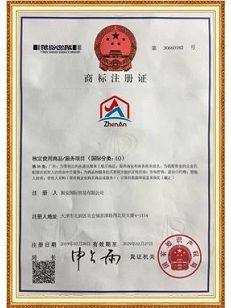
The ferro manganese supplier plays a significant role in your purchase decision. Evaluate factors such as the supplier’s reputation, production capacity, product certifications, quality assurance systems, and after-sales support.
Price Considerations
While quality should be the primary concern, price is also a significant factor in the selection process. Opt for a ferro manganese supplier that offers competitive pricing while maintaining high product quality. Moreover, consider the long-term costs associated with lower-quality ferro manganese. In such cases, lower-priced alternatives could lead to increased expenses on maintenance, product defects, and overall steel quality concerns.
Environmental Impact and Sustainability
Choose suppliers that consider the environmental impact of their operations and maintain a sustainable approach to ferro manganese production. Opt for ISO-certified companies with processes that involve efficient resource management, waste prevention, and lower greenhouse gas emissions.
The following good practices can considerably minimise the emissions of polluting particles and dust during the storage and packaging of raw materials.
- Storage in watertight containers
- Reception of raw materials damp and/ or in closed vehicles.
- The machinery and equipment used for the handling of these raw materials must also be isolated and closed. The installation of dust and particle capture systems should also be studied.
- They should be handled in facilities equipped with ventilation and dust removal equipment. Subsequently, there must be resources in place for the handling of these wastes or their regrouping.
- The discharge of powdery materials due to free fall must be avoided at all times during transport.
- For gaseous emissions of substances that cannot be treated by the aforementioned primary measures, other ones will be used, such as electrostatic precipitators, scrubbers, bag filters, chemical or physical-chemical processes to minimise their emissions.

Ferro Manganese Production Process

Mining and Extraction
Manganese ores are mined and then processed to extract manganese, which serves as a primary component for producing ferro manganese.
Smelting
The extracted manganese, along with iron ore and coke, is smelted in a blast furnace. The high temperatures in the furnace facilitate the reduction of manganese and iron oxides.
Alloying Process
The smelted ferro manganese undergoes an alloying process with the addition of carbon to obtain the desired manganese and iron content.
Cooling and Solidification
The molten ferro manganese is cooled and solidified into different forms, such as ingots or granules, ready for further industrial applications.
Certifications



Our Factory
Below is our factory:



Ultimate Guide
Q: What is the use of ferro manganese?
Q: Is ferro manganese hazardous?
Q: What is the difference between ferro manganese and manganese?
Q: What is ferro manganese slag used for?
Q: What is ferro manganese alloy?
Q: What are the applications of ferro manganese?
Q: How is ferro manganese made?
Q: What is medium carbon ferro manganese used for?
Q: What is the carbon percentage in ferro manganese?
Q: What is high carbon ferro manganese?
Q: What are the properties of ferro manganese?