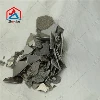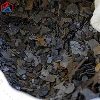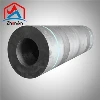

Most refractories are manufactured from ores (e.g. refractory clay, silica, magnesite, dolomite, etc.). The use of certain industrial and synthetic raw materials (such as industrial alumina, silicon carbide, synthetic mullite, synthetic spinel, etc.) is also increasing.

1, according to the mineral composition can be divided into silica, aluminum silicate, magnesium, dolomite, olivine, spinel, carbon, zirconium-containing refractories and special refractories.

2, according to the manufacturing method can be divided into ore and man-made products. According to the way it can be divided into block products and unshaped refractories.

3、According to the way of maturing, it can be divided into non-fired products, fired products and electrofusion products.

4, according to the refractoriness can be divided into ordinary, advanced and special refractories.

5, according to the chemical properties can be divided into acidic, neutral and alkaline refractories.

6, according to its density can be divided into light and heavy refractories.

7, according to the shape and size of the refractory material can be divided into standard refractory bricks, shaped refractory bricks, special shaped refractory bricks, tubes and refractory utensils.

8, can also be divided into the application of blast furnace, cement kiln, glass kiln, ceramic kiln refractories.

If you are interested refractory products, contact us now!
Email: info@zaferroalloy.com Whatsapp: 8615896822096