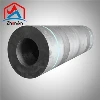

Graphite electrodes are preferred in many industrial applications, particularly in high-temperature and electrochemical processes, for several key reasons:
- High Thermal Conductivity: Graphite can withstand extremely high temperatures without losing its structural integrity, making it ideal for processes such as steelmaking in electric arc furnaces (EAFs).
- Excellent Electrical Conductivity: Graphite electrodes provide efficient electrical conductivity, allowing for effective current flow in applications like electrolysis and electric arc furnaces, which is essential for the melting and refining of metals.
- Chemical Stability: Graphite has good resistance to chemical corrosion and oxidation at elevated temperatures, which helps prevent contamination of the molten materials and extends the life of the electrode.
- Low Reactivity: Graphite is generally less reactive than many metals, reducing the risk of unwanted chemical reactions during processes involving molten metals or in electrolytic cells.
- Cost-Effectiveness: In many cases, graphite electrodes can be more cost-effective than metal alternatives. They are less expensive to manufacture and can be used in large quantities without significant cost penalties.
- Reduced Deformation: Graphite maintains its shape and structure better under high stress and thermal conditions compared to some metal electrodes, leading to less deformation and a longer service life.
- Versatility: Graphite electrodes can be manufactured in various shapes and sizes to suit different applications, from small laboratory setups to large industrial processes.
- Environmental Compatibility: In certain processes, using graphite electrodes can minimize environmental impact by reducing toxic byproducts associated with some metal electrodes.
- Self-Lubricating Properties: Graphite's lubrication properties can be beneficial in machinery and applications where friction reduction is necessary.
- Ease of Handling: Graphite electrodes are often easier to handle and work with compared to metal electrodes, especially in bulk or larger dimensions.
- Overall, the combination of these properties