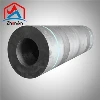

While graphite electrodes offer numerous advantages for various applications, they also have some disadvantages that can impact their performance and usability. Here are some of the key disadvantages of graphite electrodes:
- Brittleness: Graphite is relatively brittle compared to metals. This brittleness can make graphite electrodes prone to cracking or breaking under impact or excessive mechanical stress.
- Sensitivity to Oxidation: At high temperatures, especially in the presence of oxygen, graphite can oxidize. This can lead to the degradation of the electrode and reduce its lifespan, particularly in applications where high temperatures and oxidative conditions are present.
- Thermal Shock Sensitivity: Graphite can be susceptible to thermal shock, which occurs when there are rapid temperature changes. This can lead to cracking if the electrode is not properly designed for the operational thermal cycles.
- Wear and Erosion: In certain applications, such as electric arc furnaces, graphite electrodes can experience wear and erosion over time, especially in aggressive environments, leading to the need for frequent replacement.
- Porosity: Graphite is often porous, which can lead to the absorption of contaminants or reactive materials that can affect the performance of the electrode or the quality of the products being processed.
- Cost: While graphite electrodes can be cost-effective in some applications, they can still be more expensive than alternative materials in others, primarily due to the costs associated with raw materials and manufacturing processes, especially for high-quality electrodes.
- Handling and Safety Risks: The dust generated during manufacturing or machining of graphite electrodes can pose health risks if inhaled. Proper handling, storage, and safety precautions are necessary to mitigate these risks.
- Limited Conductivity at Low Temperatures: While graphite is an excellent conductor at high temperatures, its conductivity can decrease at lower temperatures compared to metals.
- Dependency on Quality of Raw Materials: The performance and properties of graphite electrodes can be significantly influenced by the quality of raw materials used in their production. Variability in raw materials can lead to inconsistent electrode performance.
- Environmental Concerns: The production and disposal of graphite electrodes can have environmental impacts, particularly in terms of carbon emissions and waste management, especially if not handled responsibly.