
Ferrovanadium is purchased for one core reason: it is an efficient way to introduce vanadium into molten metal. In trading and procurement, you may see it written as "ferrovanadium," "ferro vanadium," or "FeV alloy." Regardless of naming, the product sits in the ferroalloy category because it delivers a concentrated alloying element with controlled dosing. If you are a buyer, the real question is not only what it is used for, but why users choose ferrovanadium instead of other vanadium sources, and what practical factors determine performance in the melt.


The primary use: vanadium addition for steelmaking
The most common use of ferrovanadium is as a vanadium-bearing addition in steelmaking. Vanadium is often used as a microalloying element, meaning a small addition can influence steel properties. Producers and end users may target higher strength, improved wear behavior, or more stable mechanical performance, depending on the steel grade and the application. In many cases, vanadium is part of the strategy to meet strength requirements without excessively increasing alloy costs or changing the base chemistry too dramatically.
From a buyer's perspective, the value of ferrovanadium is that it provides a predictable vanadium input. Instead of trying to manage vanadium through less controlled sources, buyers can dose ferrovanadium based on target vanadium contribution and adjust with confidence.
Structural steels and high-strength applications
In many structural or high-strength steel applications, vanadium is used to help achieve the required strength levels while maintaining reasonable processing behavior. Buyers in these sectors often care about consistent vanadium delivery and repeatable results, which is why they prioritize stable quality and documentation. If you are supplying into a production chain with strict mechanical requirements, lot-to-lot stability becomes as important as the headline vanadium content.
Wear-resistant and performance-oriented steels
Another common use scenario is steels designed for wear resistance or performance stability. Vanadium can support performance outcomes in certain steel categories, and ferrovanadium becomes the delivery vehicle because it is convenient to store, weigh, and add. In these cases, buyers often focus on "cost in use," not simply the purchase price. A slightly cheaper alloy that causes inconsistent recovery or variable results can cost more in total when you account for rework, composition drift, or quality claims.
Why buyers choose ferrovanadium instead of other vanadium sources
In procurement, ferrovanadium is preferred when the buyer wants:
- A concentrated vanadium input with practical dosing control
- A product form that can be handled and added efficiently
- A COA-based quality system with traceability
- Stable supply and repeatable chemistry across lots
Other vanadium sources may exist in the market, but ferrovanadium is the common choice when controlled alloying is required and the buyer wants a straightforward route to achieve target vanadium levels.
How grade selection ties to use: ferrovanadium 50 vs ferrovanadium 80
Although this article focuses on "uses," grade selection is part of the same decision. Common trade grades include ferrovanadium 50 and ferrovanadium 80. In practical terms, a higher grade delivers more vanadium per ton, which can reduce addition weight. A lower grade may be preferred if the buyer's dosing system is optimized for certain addition weights or if the buyer wants a different cost balance.
A simple way to choose is to compare cost per effective vanadium delivered into the melt, then align the grade to your addition practice and your quality requirements.
What determines real performance: recovery, sizing, and impurity stability
In real production, ferrovanadium use success depends on more than vanadium content. Buyers should pay attention to three practical performance factors:
- Recovery behavior and consistency
How effectively vanadium is delivered depends on melt practice, timing, and material form. Consistency matters most for repeat production.
- Physical form and sizing
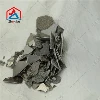
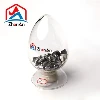
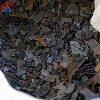
Ferrovanadium is commonly supplied as lumps. If sizing control is weak or fines are excessive, buyers can experience handling loss, dust generation, or variable addition response. For operations that require repeatability, specifying a size range and controlling fines is a practical purchasing requirement.
- Impurity profile and lot stability
The impurity pattern can vary by supplier and feedstock route. If your application is sensitive, define the critical impurity lines and require them on a batch-linked COA. One compliant COA is useful, but multi-batch stability is what builds confidence for monthly programs.
Export buyer notes: what to lock in before booking
For export purchases, the "use case" extends to logistics and documentation. Buyers typically want invoice, packing list, bill of lading, and a batch-linked COA. Batch linkage is essential: the lot number on the COA should match packing marks and align with the packing list. This is how you protect yourself when a receiving inspection or a performance question appears later.
FAQ
Q1: What is ferrovanadium used for?
A: It is mainly used to add vanadium to steel and certain alloys to support strength and performance outcomes with controlled dosing.
Q2: Why do steelmakers use ferrovanadium instead of another vanadium source?
A: It offers a concentrated, predictable vanadium input with practical handling and COA-based quality control.
Q3: Does the grade matter for the application?
A: Yes. Common grades like ferrovanadium 50 and ferrovanadium 80 affect addition weight and dosing practice, so buyers choose based on cost in use and process needs.
Q4: What should I check before buying ferrovanadium for export?
A: Vanadium content, impurity limits relevant to your use, size range and fines expectations, and a batch-linked COA that matches packing marks.
Q5: What is the most common avoidable risk in ferrovanadium purchasing?
A: Weak traceability and inconsistent sizing, which can lead to claims or variable recovery even when the grade label is correct.
About Our Company
We are a factory direct supply partner with stable monthly supply capacity and a factory area of about 30,000 m². Our products are exported to 100+ countries and regions, and we have served 5,000+ customers. Our sales team understands industry dynamics and market trends, and we supply ferrosilicon, silicon metal, and other metallurgical products.