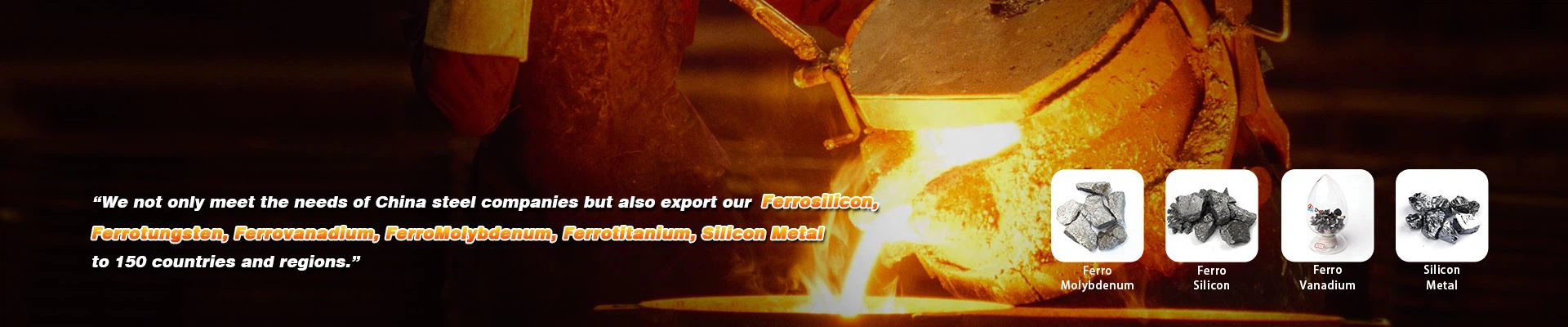
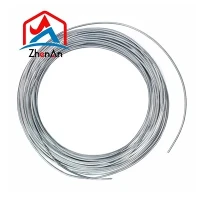
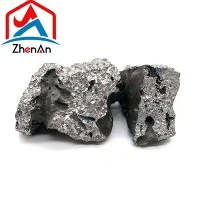
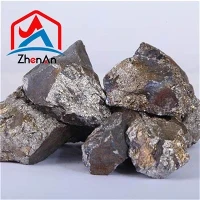
Ferrovanadium Lumps for Steelmaking
Quick Answer: We supply ferrovanadium lumps for controlled vanadium addition in steelmaking. Our regular products include FeV50 and FeV80, with lump sizes such as 10–50 mm and 10–100 mm. You can select the grade according to your required V content, residual-element limits, alloy addition and furnace practice.
Send us your required V content, C/Si/P/S/Al limits, particle size, quantity and packing. We can confirm the available specification and batch COA before quotation.
Ferrovanadium is an iron-vanadium alloy mainly used to introduce vanadium into molten steel. In suitable steel grades, vanadium can form fine carbides and nitrides that support precipitation strengthening, grain control, wear resistance and other required mechanical properties.
For purchasing, the grade name alone is not enough. You should compare the actual V content together with carbon, silicon, phosphorus, sulfur, aluminum and particle size before confirming the order.
If you need to compare more available grades and product forms, review our ferrovanadium product range .
FeV50 and FeV80 Specifications
The main difference between FeV50 and FeV80 is the concentration of vanadium delivered by the alloy. You should also check the residual-element limits because they can affect whether the batch fits your steel specification.
| Grade |
V |
C Max |
Si Max |
P Max |
S Max |
Al Max |
Mn Max |
| FeV50 |
≥50% |
0.60% |
2.50% |
0.10% |
0.05% |
2.00% |
- |
| FeV80 |
≥79% |
0.20% |
1.50% |
0.06% |
0.05% |
2.00% |
0.50% |
Specification note: These values are the reference specifications for this product. Please confirm the final chemistry with the agreed purchase specification and batch COA.
How to Choose FeV50 or FeV80
Start with the amount of elemental vanadium your steel requires. FeV50 contains approximately half vanadium by mass, while FeV80 provides a higher vanadium concentration. For the same target V addition, you normally need less FeV80 by weight.
This does not mean FeV80 is automatically the better option. You should compare the actual V content, alloy addition quantity, vanadium recovery, impurity limits and total alloying cost.
If you mainly purchase FeV50 and want to understand how the grade is defined, see our FeV50 grade guide .
If you require a higher V concentration, you can also review our FeV80 product specification .
Where Ferrovanadium Lumps Are Used
High-Strength Low-Alloy Steel
You can use FeV to introduce controlled vanadium into HSLA steel where precipitation strengthening and grain refinement form part of the alloy design. The final V level should follow your steel specification rather than a fixed ferrovanadium addition rate.
Structural and Engineering Steel
Vanadium additions can support higher strength in selected structural and engineering steels. Your suitable FeV grade depends on the target V level and the residual-element limits allowed by your steel chemistry.
Tool and Wear-Resistant Steel
In selected tool and alloy steels, vanadium can form hard carbides that contribute to hardness and wear resistance. If your process requires tight C, P or S control, include those limits in your RFQ.
Spring and Specialty Steel
Ferrovanadium is also used in selected spring and specialty steels where vanadium forms part of the required alloy chemistry and performance design.
Ferrovanadium Lump Size Options
Our regular ferrovanadium lump references include 10–50 mm and 10–100 mm. We can also discuss customized sizing according to your feeding and charging requirements.
Particle size affects handling and dissolution. Material that is too coarse may dissolve more slowly under some operating conditions, while excessive fines can create handling loss or make charging less consistent.
If particle-size consistency is important to your process, send us the nominal range together with your acceptable undersize and oversize limits.
If you specifically require 10–50 mm material, you can review our 10–50 mm ferrovanadium lump product information.
How to Calculate Ferrovanadium Addition
Use the actual vanadium content shown on the batch COA when you estimate your FeV addition. Your actual vanadium recovery should also be included in the calculation.
Required FeV Mass ≈ Required Recovered V ÷ (Actual V Fraction × Vanadium Recovery)
Use your own production recovery and the actual V value of the batch for the final alloy calculation.
This also gives you a more useful way to compare FeV50 and FeV80. Instead of looking only at the price per ton, you can compare the amount and cost of vanadium actually delivered to your process.
Why Residual Elements Matter
Vanadium content determines how much V you can introduce, but C, Si, P, S and Al can also matter when your final steel chemistry is tightly controlled.
Carbon should be checked when you need to limit the total carbon contribution from alloy additions. Phosphorus and sulfur should remain within your steel specification, while silicon and aluminum may affect the overall alloying and deoxidation balance.
For this reason, send us your complete acceptance limits rather than asking only for "FeV50" or "FeV80." We can compare the available batch with the chemistry you actually need.

Ferrovanadium lumps for controlled vanadium addition in steelmaking
Vanadium Raw Material and FeV Supply
Ferrovanadium production costs can change with vanadium-bearing raw materials, energy, alloy processing and steel demand. Vanadium pentoxide is one important vanadium raw material used in the ferrovanadium production chain.
If you also purchase vanadium oxide material, you can review our 99% vanadium pentoxide powder .
For ferrovanadium purchasing, we recommend comparing current market conditions with your required grade, chemistry and shipment plan rather than using a historical price as a fixed quotation.
What to Check on the Batch COA
The batch COA allows you to compare the actual ferrovanadium chemistry with your purchase specification. Start with the measured V content and then check the residual elements that are critical to your steel grade.
For FeV50 and FeV80, these normally include C, Si, P, S and Al. If Mn or another element has a specific maximum in your specification, include it when you send us your inquiry.
You should also confirm that the COA batch identification corresponds to the ferrovanadium prepared for your shipment.
How We Control Ferrovanadium Quality
We confirm your FeV grade, chemistry, particle size and packing requirements before arranging the order.
During preparation, we check the relevant chemical composition and physical size against the agreed specification. Crushing and screening are controlled according to the required lump range, and finished material is inspected before packing.
We can provide a batch COA so you can verify the actual chemistry. If you require SGS, BV or another agreed third-party inspection, tell us the inspection items before shipment so we can coordinate the arrangement.
Ferrovanadium Packing and Order Preparation
Steel drums are available for ferrovanadium lump orders. We can also confirm the final packing according to your quantity, material handling and shipment requirements.
If you require palletizing, batch separation, special labels or another packing arrangement, include these details in your RFQ so we can confirm them before quotation.
What to Confirm Before Buying Ferrovanadium
First confirm whether FeV50 or FeV80 fits your target vanadium addition. Then define the maximum residual-element limits required by your steel specification.
Next, confirm the particle size. If your equipment uses a fixed charging system, specify both the nominal size and acceptable fines or oversize instead of requesting only "ferrovanadium lumps."
Finally, send us your required quantity, packing, delivery term and destination port. This allows us to prepare the quotation on the same commercial basis you will actually use for the order.
What to Send Us for a Ferrovanadium Quote
Please send us your required FeV grade, V content, maximum C/Si/P/S/Al limits, particle size, quantity, packing, steel application, Incoterm and destination port.
If you already have a target COA or previous purchase specification, send it with your inquiry. We can compare the chemistry and physical requirements directly before confirming the suitable material.
Request a Ferrovanadium Lump Quote
Send us your FeV grade, vanadium content, residual-element limits, particle size, quantity and packing requirement. We can confirm the available specification and batch COA with you before quotation.
Email: business@zaferroalloy.com
Request a Quote
Q: What are ferrovanadium lumps used for?
A: Ferrovanadium lumps are mainly used to introduce vanadium into molten steel. You can use FeV in HSLA, structural, tool, spring and other vanadium-bearing steel grades.
Q: What is the difference between FeV50 and FeV80?
A: The main difference is vanadium concentration. This product reference uses V ≥50% for FeV50 and V ≥79% for FeV80, so FeV80 delivers more elemental vanadium per kilogram of alloy.
Q: Is FeV80 always better than FeV50?
A: No. You should select the grade according to your required V addition, recovery, residual-element limits and alloying cost. Higher V content does not automatically make FeV80 the correct grade for every process.
Q: What ferrovanadium lump sizes can you supply?
A: Our regular references include 10–50 mm and 10–100 mm. You can also send us your required size and acceptable fines or oversize limits for confirmation.
Q: What impurities should I check when buying ferrovanadium?
A: In addition to V, check C, Si, P, S and Al against your steel specification. If another residual element is critical to your process, include it in your RFQ.
Q: Can you provide a batch COA?
A: Yes. We can provide a batch COA so you can compare the actual V content and agreed residual-element limits with your purchase specification.
Q: How should I compare FeV50 and FeV80 prices?
A: Compare the actual V content, required alloy quantity, vanadium recovery, residual-element limits and cost per delivered unit of vanadium rather than only comparing the price per ton.
Q: What should I send you for a ferrovanadium quotation?
A: Please send us your FeV grade, V content, residual-element limits, particle size, quantity, packing, steel application, Incoterm and destination port.