Ferrovanadium Uses and Steelmaking Applications
Quick Answer: Ferrovanadium is mainly used to add vanadium to steel. We supply FeV50 and FeV80 for high-strength steel, tool steel, spring steel, alloy steel and other metallurgical applications. The suitable grade depends on your target vanadium addition, impurity limits, particle size and vanadium recovery.
Our regular lump sizes include 10–50 mm and 10–100 mm. Send us your required V content, C/Si/P/S/Al limits, size and quantity so we can confirm the available specification and batch COA.
Ferrovanadium combines iron and vanadium in a form that can be added directly during steelmaking. Vanadium forms fine carbides and nitrides in suitable steel grades, so a controlled FeV addition can support grain refinement, precipitation strengthening, wear resistance and high-temperature performance.
If you need to compare more grades before choosing, review our ferrovanadium product range .
How Ferrovanadium Works in Steel
Vanadium Addition
The main purpose of FeV is to deliver a controlled amount of vanadium into molten steel. Your required FeV addition depends on the actual vanadium content of the alloy, target V level in the steel and the recovery achieved in your production process.
Grain Refinement
In suitable steel compositions, vanadium-containing precipitates can help control grain growth. A finer grain structure can support the strength and toughness required by the final steel specification.
Precipitation Strengthening
Vanadium can combine with carbon and nitrogen to form fine precipitates. This is one of the main reasons FeV is used in high-strength low-alloy and other vanadium-bearing steels.
Wear and Heat Performance
In tool and alloy steels, controlled vanadium carbide formation can contribute to hardness and wear resistance. Vanadium is also used in selected grades designed to maintain mechanical performance at elevated temperatures.
Main Applications of Ferrovanadium
High-Strength Low-Alloy Steel
You can use FeV to introduce vanadium into HSLA steel where precipitation strengthening and grain control are part of the alloy design. The actual addition should follow your target steel chemistry rather than a fixed FeV dosage.
Tool Steel
Vanadium is used in selected tool steels where hardness, wear resistance and carbide stability are important. When you purchase FeV for this application, check both vanadium content and residual elements such as C, Si, P and S.
Spring and Alloy Steel
FeV can be used in spring and other alloy steels where vanadium contributes to the required strength, toughness and fatigue performance.
Cast Iron and Metallurgical Applications
You can also use controlled vanadium additions in selected cast iron and other ferrous metallurgical processes. Send us your target chemistry if your application requires a specific V addition or tight impurity limits.
FeV50 and FeV80 Chemical Composition
The main difference between FeV50 and FeV80 is the amount of vanadium delivered by each kilogram of alloy. You should also compare C, Si, P, S and Al before selecting the final grade.
| Grade |
V Min |
C Max |
Si Max |
P Max |
S Max |
Al Max |
Mn Max |
| FeV50 |
50% |
0.60% |
2.50% |
0.10% |
0.05% |
2.00% |
- |
| FeV80 |
79% |
0.20% |
1.50% |
0.06% |
0.05% |
2.00% |
0.50% |
Specification note: Use these values as the reference for this product. We recommend confirming the final composition with the agreed purchase specification and batch COA before shipment.
How to Choose FeV50 or FeV80
Choose the grade according to how much elemental vanadium you need to deliver rather than comparing only the price per metric ton.
FeV50 contains approximately half vanadium by mass, so you need a larger alloy addition to deliver the same amount of V. FeV80 contains a higher vanadium concentration, which reduces the physical quantity of ferrovanadium required for the same theoretical V addition.
Higher vanadium content does not automatically make FeV80 the better choice for every heat. You should compare the actual V percentage, recovery, residual-element limits and cost per delivered unit of vanadium.
If you need more detail about the FeV50 grade designation, see our FeV50 grade guide .
For a higher-vanadium option, you can also review our FeV80 product specification .
How to Estimate Your Ferrovanadium Addition
Use the actual batch V content when you estimate the alloy addition. Your plant recovery should also be included because not all added vanadium is necessarily recovered in the final steel.
Required FeV Mass ≈ Required Recovered V ÷ (Actual V Fraction × Vanadium Recovery)
Use the V value on the batch COA and your own production recovery for the final calculation.
This also gives you a more useful basis for comparing FeV50 and FeV80 than simply comparing their ton prices.
Ferrovanadium Lump Size Options
Our regular ferrovanadium lump references include 10–50 mm and 10–100 mm. We can also discuss customized sizing according to your furnace, ladle addition or feeding requirements.
A controlled particle-size range helps you manage charging and dissolution more consistently. If too many fines create handling problems in your process, include the acceptable undersize percentage in your RFQ. If large pieces are restricted, tell us your maximum oversize limit as well.
What to Check Besides Vanadium Content
Vanadium is the main alloying element, but the supporting chemistry can be equally important when your steel specification is tightly controlled.
Check carbon if the total carbon contribution from ferroalloys matters to your final steel. Phosphorus and sulfur should remain within your required limits, while silicon and aluminum may also affect your overall alloying and deoxidation practice.
For this reason, send us your complete chemistry limits rather than requesting only "FeV50" or "FeV80." We can check whether the available batch matches the actual requirements of your process.

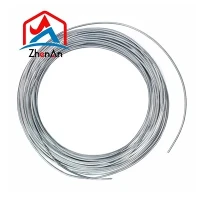
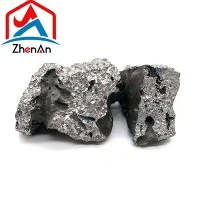
Ferrovanadium lumps for controlled vanadium addition
What to Check on a Ferrovanadium COA
The batch COA helps you confirm whether the material prepared for your order matches the agreed specification. For FeV50 or FeV80, start with the actual V content and then check the residual elements that are important to your steel grade.
For this product, the main items include V, C, Si, P, S and Al. If you order FeV80 with a defined Mn limit, include that requirement in the purchase specification as well.
You should also match the COA to the correct batch identification so the chemistry report corresponds to the ferrovanadium being shipped.
How We Control Ferrovanadium Quality
We confirm your grade, chemistry, particle size and packing requirements before arranging the order.
From raw-material preparation and alloy production through crushing, screening and final inspection, we check the agreed specifications at the relevant stages.
We use chemical analysis and particle-size inspection to verify the finished material. Before shipment, we can provide the corresponding batch COA and confirm the packing condition with you.
If you require SGS, BV or another agreed third-party inspection, include the required inspection items before shipment so we can coordinate the arrangement.

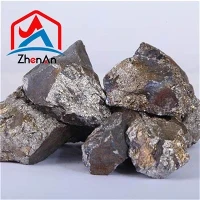
Ferrovanadium alloy lumps for steelmaking applications
How We Support Your Ferrovanadium Order
We have more than 30 years of experience in metallurgical materials and support ferrovanadium orders from specification confirmation through inspection, packing and shipment.
You can send us your previous COA or internal purchasing standard if you need to match an existing FeV specification. We can compare the chemistry, size and packing requirements directly before quotation.
For repeat orders, keeping the same agreed V range, impurity limits and particle-size acceptance criteria helps you compare batches more consistently.
What to Send Us for a Ferrovanadium Quote
Please send us your required FeV grade, target vanadium content, maximum C/Si/P/S/Al limits, particle size, quantity, packing, steel application, Incoterm and destination port.
If you already have a target COA or previous purchase specification, attach it to your inquiry. We can use it to check whether FeV50, FeV80 or another available grade fits your requirement.
Request a Ferrovanadium Quote
Send us your FeV grade, vanadium content, impurity limits, particle size, quantity and packing requirement. We can confirm the available specification and batch COA with you before quotation.
Email: marketing@zanewmetal.com
Request a Quote
Q: What is ferrovanadium mainly used for?
A: Ferrovanadium is mainly used to introduce vanadium into steel. You can use it in HSLA steel, tool steel, spring steel, alloy steel and other steel grades that require controlled vanadium addition.
Q: What is the difference between FeV50 and FeV80?
A: The main difference is vanadium concentration. This product reference uses V ≥50% for FeV50 and V ≥79% for FeV80. FeV80 therefore delivers more elemental vanadium per kilogram of alloy.
Q: Is FeV80 always better than FeV50?
A: No. Choose the grade according to your required vanadium addition, recovery, residual-element limits and alloy cost. A higher V percentage does not automatically make FeV80 the correct choice for every steelmaking process.
Q: What ferrovanadium sizes can you supply?
A: Our regular lump references include 10–50 mm and 10–100 mm. You can also send us another required size together with acceptable fines and oversize limits for confirmation.
Q: What impurities should I check when buying ferrovanadium?
A: In addition to V, check C, Si, P, S and Al against your steel specification. If another element is critical to your process, include its maximum limit in your RFQ.
Q: Can you provide a batch COA?
A: Yes. We can provide a batch COA so you can check the actual vanadium content and agreed residual-element limits against your purchase specification.
Q: How should I compare FeV50 and FeV80 prices?
A: In addition to the price per ton, compare the actual V content, required alloy addition, vanadium recovery, impurity limits and cost per delivered unit of vanadium.
Q: What information should I send you for a quotation?
A: Please send us your FeV grade, V content, impurity limits, particle size, quantity, packing, steel application, Incoterm and destination port.