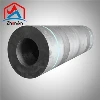

Here are the main uses of graphite electrodes:
Electric Arc Furnaces (EAF): The most significant application of graphite electrodes is in electric arc furnaces for steelmaking. In EAFs, graphite electrodes conduct electricity to produce an electric arc that generates the high temperatures necessary for melting scrap metal and producing steel.
Production of Ferroalloys: Graphite electrodes are used in the production of ferroalloys, which are alloys of iron with one or more other elements (like manganese, silicon, or chromium). These alloys improve the properties of steel and other metals.
Non-Ferrous Metal Production: These electrodes are also employed in the melting and refining of non-ferrous metals such as aluminum, copper, and zinc, producing high-quality metals for various applications.
Foundry Applications: In foundries, graphite electrodes may be used in induction furnaces for melting metals, allowing for precise temperature control and repeatability.
Electrolytic Processes: Graphite electrodes can be utilized in electrolytic processes, such as the production of chlorine and sodium hydroxide from brine in chlor-alkali plants.
Research and Development: In laboratories and research facilities, graphite electrodes are frequently used in electrochemical experiments and studies due to their good electrical conductivity and stability.
Arc Welding: Graphite electrodes can also be used in arc welding processes, providing a stable and efficient means of generating the heat needed for metal joining.