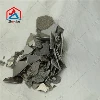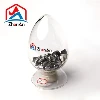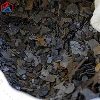

Ferro-titanium is an alloy of iron and titanium typically used in the steelmaking process to improve the properties of steel, particularly strength and corrosion resistance. The production of ferro-titanium can be quite complex and typically requires specialised equipment and facilities.
1. Raw materials
Titanium ores: Commonly used ores include rutile (TiO₂) and ilmenite (FeTiO₃).
Iron source: This can be scrap iron or direct reduced iron (DRI).
2. Process Overview
A. Preparation
Concentrate the ore: If rutile or ilmenite is used, it must be processed to concentrate the titanium content.
Reduction: The titanium ore is then reduced to produce titanium.
B. Reduction Processes
Electrolytic reduction: This process involves the electrolysis of titanium ores, often using molten salts to separate titanium from oxygen.
Thermite reduction: Involves the use of aluminium or magnesium to reduce titanium oxides. For example, to produce titanium from ilmenite, metal oxides react with aluminium in a thermite reaction.
C. Alloying
The reduced titanium is then combined with iron. This can be done in an electric arc furnace where iron and titanium are melted together to form ferro-titanium alloys.
3. Composition control
The composition of ferro-titanium can vary. It usually contains a certain percentage of titanium (usually around 10% to 30%) and the specific grade will depend on the intended application.
4. Refining and Casting
After melting, the alloy may be further refined to remove impurities. It is then cast into ingots or other shapes as required.