



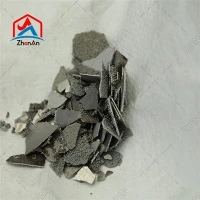
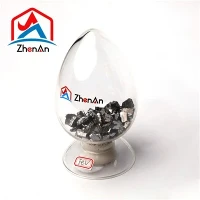
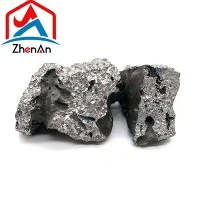
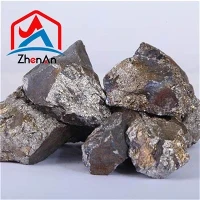
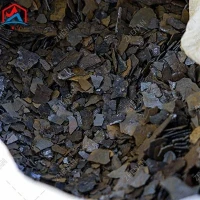



99.9% Electrolytic Manganese Flake
Shape: Flakes
Material: Mn
Chemical Composition: Mn
Purit: 99.9%
Color: Gray
Specification: 1-3mm
Quick Answer: 99.9% Electrolytic Manganese Metal Flakes, also known as Mn99.9 flakes or EMM 99.9, are high-purity metallic manganese flakes with Mn 99.9% min. Our reference specification controls Fe, Si, C, P and S together with manganese purity. Mn99.9 is mainly used when your production requires a cleaner manganese input and tighter control of individual impurities than conventional EMM grades.
The value of Mn99.9 is not only the higher manganese percentage. For high-purity applications, Fe, Si, C, P, S and any customer-specified trace elements should be reviewed individually against your internal raw-material standard and the batch COA.
If your process does not require Mn99.9, you can also compare other electrolytic manganese grades before confirming the final specification.

Mn99.9 Electrolytic Manganese Specification
Our 99.9 EMM specification defines the minimum manganese content together with maximum limits for the main controlled impurities. For industrial acceptance, use the confirmed specification and batch COA rather than the grade name alone.
Chemical Composition of 99.9% EMM
| Grade | Mn Min. | Fe Max. | Si Max. | C Max. | P Max. | S Max. |
| Mn99.9 | 99.9% | 0.01% | 0.002% | 0.02% | 0.002% | 0.04% |
If your internal standard also controls Se or another trace element, send the required maximum value before quotation. The additional limit should be confirmed separately rather than assumed from the Mn99.9 grade name.
Critical Trace Elements in Mn99.9
- Fe: Important when manganese is introduced into alloy systems that require controlled iron input.
- Si: Check the silicon limit when your final chemistry has a narrow Si range.
- C: Relevant to low-carbon steel and alloy formulations.
- P and S: Review both values when your production specification restricts phosphorus or sulfur input.
- Se and other trace elements: Confirm separately when they are included in your internal acceptance standard.
Flake Form, Size and Packing
- Form: Irregular electrolytic manganese metal flakes.
- Physical character: Hard and brittle metallic material.
- Appearance: Silver-white to gray metallic surface.
- Size: Flake size is confirmed according to the supplied specification and order requirement.
- Standard packing: Ton bags, with other packing arrangements available after confirmation.
Why Use 99.9% Electrolytic Manganese?
Higher Mn Purity Is Only Part of the Difference
The difference between Mn99.9 and lower EMM grades is not limited to the manganese percentage shown in the grade name.
When you move to a high-purity manganese specification, the individual impurity limits become more important because Fe, Si, C, P, S or another trace element may affect your final alloy chemistry even when the Mn result itself is acceptable.
When Trace Impurities Become Critical
Mn99.9 becomes more relevant when your process has a narrow chemistry window and the manganese addition must introduce as little unwanted material as possible.
- Low-carbon alloy formulations sensitive to additional C.
- Non-ferrous systems where Fe input needs closer control.
- Processes with restrictive Si, P or S limits.
- Special applications with customer-defined Se or trace-element requirements.
Why Batch Chemistry Matters More at Higher Purity
At Mn99.9 purity, the commercial grade name provides only the starting point for acceptance. The actual batch chemistry determines whether the material matches your process.
For repeated production, compare each incoming batch against the same agreed chemical limits and COA rather than accepting material only because it is labeled "99.9% EMM".
99.9% vs 99.8% Electrolytic Manganese Flakes
Mn Purity Difference
Mn99.9 requires a minimum manganese content of 99.9%, while Mn99.8 requires 99.8% Mn. The difference is 0.1 percentage point, but this number alone does not determine which grade provides better performance in your process.
Fe, Si, C, P, S and Se Comparison
When comparing 99.9 vs 99.8 electrolytic manganese flakes, review each impurity against the specification actually supplied.
- Compare Fe when iron input is restricted.
- Compare Si when your alloy has a narrow silicon range.
- Compare C for low-carbon formulations.
- Review P and S separately rather than treating total purity as a substitute.
- Confirm Se independently when your standard specifies a selenium limit.
You can review our Mn99.8 electrolytic manganese specification for the alternative grade.
When Mn99.9 Provides a Real Process Advantage
Mn99.9 provides a practical advantage when its higher Mn minimum or tighter confirmed impurity limits help your production stay within a required chemistry window.
Typical examples include special alloy formulations, impurity-sensitive non-ferrous alloys and processes where raw-material variation needs to be minimized.
When Mn99.8 Is Already Sufficient
If Mn99.8 already satisfies your required Mn content and every relevant impurity limit, switching to Mn99.9 may not improve the final product.
In that case, compare the accepted chemistry, batch consistency and purchasing cost before specifying the higher grade.
99.9% vs 99.7% Electrolytic Manganese Flakes
Purity and Impurity Difference
Mn99.9 provides 99.9% min manganese compared with 99.7% min for Mn99.7. The 0.2 percentage-point purity difference should be considered together with the complete chemical specification.
Mn99.7 may be suitable for many conventional steelmaking and alloy applications, while Mn99.9 becomes more relevant when your production requires stricter raw-material chemistry.
Application Difference
Both grades can supply manganese to steel and alloy production. The main distinction is not that one grade belongs to an entirely different industry, but that different production routes tolerate different impurity levels.
For conventional EMM requirements, you can also review our 99.7% EMM flakes.
Cost vs Specification Requirement
Do not specify Mn99.9 only because it has the highest grade number. Use it when the higher Mn purity or confirmed impurity limits solve a real raw-material requirement.
If Mn99.7 already meets your internal standard, the additional cost of a higher-purity grade may not create a measurable production benefit.
Critical Impurities in 99.9% EMM Flakes
Carbon Control
Our reference Mn99.9 specification controls carbon at 0.02% max. If your production has a strict final carbon target, include the manganese raw material in the total carbon balance rather than evaluating Mn purity alone.
Silicon and Iron Control
The reference limits are Si 0.002% max and Fe 0.01% max.
These values become particularly relevant when electrolytic manganese is used in non-ferrous or special alloy systems where unnecessary silicon or iron input needs to be minimized.
Sulfur and Phosphorus Control
Our reference specification controls P at 0.002% max and S at 0.04% max. Compare both limits with your own raw-material acceptance standard before confirming the order.
Selenium and Customer-Specified Trace Elements
A standard Mn99.9 grade name does not define every possible trace element.
If Se, O, H or another element is critical to your production, provide the required limit separately. We will confirm whether the available batch or production specification can meet that requirement before quotation.
Applications Requiring High-Purity Mn99.9
Special Steel and Stainless Steel Chemistry Control
99.9 EMM flakes can be used when you need to increase manganese content in steel or stainless steel while keeping the additional C, Si, P and other impurities under defined limits.
The required manganese addition should be calculated against the existing melt chemistry and the final target composition.
High-Specification Alloy Production
Mn99.9 can support alloy formulations that require more controlled manganese raw material than conventional EMM grades.
In these applications, repeatable batch chemistry can be as important as the headline Mn purity because variation in individual trace elements may affect the final formulation.
Non-Ferrous Alloy Systems Sensitive to Iron Input
High purity electrolytic manganese flakes can supply manganese to non-ferrous alloy systems without relying on an iron-based manganese ferroalloy.
When iron input is restricted, compare the Fe result shown on the batch COA with your internal raw-material limit before use.
Chemical Processes with Defined Trace-Element Limits
Mn99.9 can also be supplied for chemical and other industrial processes that require metallic manganese with defined purity and impurity limits.
Send your complete chemical specification before quotation so we can confirm whether the standard Mn99.9 composition matches the intended process.
How to Read a Mn99.9 COA
Check Mn Minimum First
Confirm that the batch result meets the agreed Mn99.9 requirement. For our reference specification, Mn should be at least 99.9%.
Compare Each Impurity Limit Separately
After confirming manganese purity, review every controlled element against the order specification.
| COA Item | Reference Limit | What to Confirm |
| Mn | ≥99.9% | Minimum manganese purity |
| Fe | ≤0.01% | Iron input against your formulation |
| Si | ≤0.002% | Silicon restriction |
| C | ≤0.02% | Carbon contribution |
| P | ≤0.002% | Phosphorus limit |
| S | ≤0.04% | Sulfur limit |
Do Not Judge Mn99.9 by Purity Alone
A batch can meet Mn 99.9% and still fail your internal standard if one required impurity exceeds your accepted limit.
Use the complete COA rather than one Mn value when approving high-purity electrolytic manganese.
Match the COA to Your Internal Raw Material Standard
The most useful comparison is:
Your internal specification → confirmed supplier specification → actual batch COA.
If the three do not use the same impurity limits, clarify the difference before shipment.
Custom 99.9% EMM Specifications
Low-Se or Controlled-Se Requirements
If your production controls selenium, include the exact maximum Se requirement in your inquiry. We will confirm the available specification rather than assuming a Se limit from the Mn99.9 grade name.
Customer-Specified Fe / Si / C Limits
Your internal limits may be tighter than the standard reference specification. Send the maximum acceptable Fe, Si, C, P, S and any additional elements before quotation.
Batch Qualification Before Bulk Supply
For applications with strict raw-material acceptance requirements, batch chemistry can be reviewed before bulk supply according to the agreed inspection and documentation process.
How Mn99.9 Electrolytic Manganese Flakes Are Produced
Electrolytic manganese is produced through solution preparation, purification and electrolysis. Manganese-bearing raw material is leached to prepare a manganese sulfate solution, which is purified before entering the electrolytic cell.
- Prepare and purify the manganese-containing solution.
- Deposit metallic manganese on the cathode through electrolysis.
- Remove, passivate, rinse and dry the deposited manganese.
- Peel the brittle metallic manganese into irregular flakes.
- Test the finished chemistry before packing and shipment.
Quality Assurance for Mn99.9 EMM
Batch Testing
We check the supplied Mn99.9 batch against the confirmed chemical requirements, including the manganese minimum and agreed impurity limits.
COA and Batch Identification
A quality certificate or batch COA can be supplied so you can compare the actual test result with the order specification.
Third-Party Inspection
If independent verification is required, third-party sampling and inspection can be coordinated according to the confirmed order requirements.

Bulk Supply and Export Packing
| Supply Item | Available Support |
| Standard Packing | Ton bags; other packing can be confirmed according to order requirements |
| Sample | Sample available; product sample is free according to our sample policy and freight is paid separately |
| Supply Capacity | Up to 3,000 MT/month according to the confirmed production schedule |
| Reference Lead Time | Around 20 days after payment, subject to specification, quantity and packing |
| Documents | Batch COA / quality certificate and agreed export documents |


Why Choose ZhenAn for High-Purity Mn99.9?
High-Purity Specification Support
We confirm Mn99.9 chemistry against the agreed specification rather than relying only on the commercial grade name.
Customer-Specified Impurity Limits
Fe, Si, C, P, S, Se and other trace-element requirements can be reviewed before quotation when your internal standard requires additional control.
COA and Batch Consistency
Batch test results and quality documentation give you a clear basis for comparing incoming high-purity manganese shipments.
Bulk Export Supply
We support sample evaluation, industrial bulk supply, export packing and shipment coordination for Mn99.9 orders.
For more information about our production, testing and export capability, visit About ZhenAn.
International Customer Visits
You can review our production, material inspection and supply capability during a factory visit before or during long-term cooperation.

99.9% Electrolytic Manganese Flakes FAQ
Request a Mn99.9 Specification or Quote
Send us your required Mn purity, Fe / Si / C / P / S / Se limits, flake specification, quantity, packing method and destination port. We will compare your requirement with the available Mn99.9 specification and confirm the suitable batch, COA, packing and quotation.
If you are still comparing purity levels, review our full EMM product range before confirming the final grade.
Request Mn99.9 Specification or Quote
Hot Tags: 99.9% electrolytic manganese flake, China 99.9% electrolytic manganese flake manufacturers, suppliers, factory, manganese in welding, manganese in heat treatment, manganese in pressing, manganese in mining, manganese in foundry, manganese in trade secret
You Might Also Like


Send Inquiry