
Quick Answer
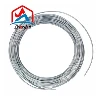
Zinc wire is a high-purity zinc metal wire used in arc spray, thermal spray metalizing and anti-corrosion coating. In these processes, the wire is melted, atomized and sprayed onto steel to form a protective zinc layer.
For industrial coating projects, zinc wire is not just a consumable. It feeds the spray gun, carries the current in arc spraying, and finally becomes the anti-corrosion layer on the steel surface.
Good zinc wire should have stable purity, clean surface, correct diameter and smooth spool winding. If the wire is oily, uneven or poorly wound, the arc can become unstable, the coating particles can become coarse, and adhesion may suffer.

Zinc Wire Is Not Just "Wire"
In many anti-corrosion projects, zinc wire looks like a small part of the total cost. Steel preparation, blasting, spraying equipment and labor all look more important on paper.
But at the spray gun, zinc wire becomes the whole process.
It melts.
It atomizes.
It builds the zinc layer.
It decides how cleanly the coating lands on the steel.
In arc spraying, two zinc wires are fed into the gun. The electric arc melts the wire tips, and compressed air sprays molten zinc particles onto the prepared steel surface. After cooling, those particles form a zinc coating that protects the steel by sacrificial corrosion.
That is why a cheap-looking wire problem can become an expensive coating problem later.
A coating designed for long-term protection may fail early if the wire causes unstable spraying, large particles or weak adhesion. When red rust appears too soon, people often blame the operator or the paint system first. But the wire condition is worth checking before anything else.
Why Zinc Wire Quality Matters in Arc Spray
A spray gun does not forgive bad wire.
If the zinc wire diameter changes too much, feeding becomes uneven. If the surface carries oil, dust or oxidation, the arc can sputter. If the spool is wound poorly, the wire may jump, drag or stop during spraying.
Those problems show up fast:
- unstable arc
- rough spray pattern
- coarse zinc particles
- more overspray loss
- uneven coating thickness
- weak adhesion risk
- more downtime at the spray gun
For bridge work, marine steel, tanks, pipelines or large structures, these small problems add up. A few interruptions during spraying may not look serious, but they can affect coating consistency across a large surface.
Main Applications of Zinc Wire
Arc Spray Anti-Corrosion Coating
Arc spray is one of the most common uses of zinc wire.
The process is widely used for bridges, towers, steel beams, port equipment, offshore structures and outdoor steel components. The zinc layer works as a sacrificial coating. It corrodes before the steel does.
For this application, the wire must feed smoothly. Diameter tolerance, surface cleanliness and spool quality matter as much as purity.
Thermal Spray Metalizing
Zinc wire is also used in thermal spray metalizing. The goal is to create a metallic zinc layer on steel before sealing or painting.
Many projects use zinc metalizing together with a topcoat. The zinc layer provides corrosion protection, while the topcoat improves appearance and durability.
Marine and Coastal Steel Protection
Salt air is brutal on steel. Zinc wire spraying is used for port machinery, dock structures, ship-related parts and coastal steel structures.
In these environments, coating failure is not just a cosmetic issue. Poor adhesion or uneven zinc coverage can shorten the service life of the whole structure.
Tanks, Pipelines and Industrial Equipment
Storage tanks, pipelines and industrial steel parts often need coating systems that can handle moisture, chemicals or outdoor exposure.
Zinc wire helps build the base protective layer. For large-area spraying, stable wire feeding is especially important because any interruption can leave weak spots.
Repair and Maintenance Work
Zinc wire can also be used for repair work when galvanized or metalized steel surfaces need local protection.
In repair spraying, operators often work on smaller or irregular surfaces. Smooth wire feeding makes it easier to control the coating and reduce waste.
Why 1.6mm, 2.0mm and 2.5mm Zinc Wire Are Common
Zinc wire diameter should match the spray equipment and coating requirement.
Common diameters include:
| Diameter | Typical Use Direction |
|---|---|
| 1.6mm | Smaller spray equipment, lighter coating work |
| 2.0mm | Common thermal spray and arc spray use |
| 2.5mm | Heavier coating work and higher deposition needs |
| 3.17mm | Specific equipment or project requirement |
A wrong diameter can create feeding trouble. Even if the purity is correct, poor diameter control can make the wire unstable in the gun.
Before ordering, the spray machine model and required wire diameter should be confirmed.
What to Check Before Buying Zinc Wire
Purity
For anti-corrosion coating, zinc purity affects the coating layer and corrosion protection. Common industrial grades include 99.9%, 99.95% and 99.995% zinc wire.
Higher purity is not always necessary for every project, but the purity should match the coating standard and customer requirement.
Surface Condition
The wire surface should be clean and free from oil, moisture and visible contamination.
Oil residue is a common hidden problem. It may not look serious on the spool, but once the wire reaches the arc, it can disturb spraying and affect coating quality.
Diameter Tolerance
Wire diameter must stay consistent. Poor tolerance can cause unstable feeding, especially during long spraying work.
For B2B coating users, diameter consistency is not a small technical detail. It is part of spraying stability.
Spool Winding
Bad winding wastes time.
A poorly wound spool can cause wire crossing, dragging or sudden feeding interruption. On a large job site, this means downtime and possible coating inconsistency.
Packing
Zinc wire should be protected during transport. Damaged cartons, poor spool protection or moisture exposure can affect the wire condition before it even reaches the spray machine.
For export orders, we usually suggest confirming spool type, carton condition, pallet packing, labels and shipping marks before shipment.
Zinc Wire Specifications We Can Supply
| Item | Supply Details |
|---|---|
| Product | Zinc Wire |
| Purity | 99.9%, 99.95%, 99.995% or as required |
| Diameter | 1.6mm, 2.0mm, 2.5mm, 3.17mm or customized |
| Form | Spool / coil |
| Surface | Clean surface, no visible oil or contamination |
| Main Use | Arc spray, thermal spray, metalizing, anti-corrosion coating |
| Documents | COA, MSDS, packing list, invoice |
| Packing | Spool packing, carton, pallet or customized export packing |
Final specification should follow your equipment, project standard and purchase contract.
Buying Zinc Wire for a Coating Project
When you ask for a zinc wire quotation, price alone is not enough.
A useful inquiry should include:
Product: Zinc Wire Purity: 99.9% / 99.95% / 99.995%
Diameter: 1.6mm / 2.0mm / 2.5mm / custom
Application: arc spray / thermal spray / metalizing / anti-corrosion coating Spool type or spool
weight:
Quantity: Packing requirement:
Destination port:
Shipment term: FOB / CIF / CFR
Documents: COA, MSDS, packing list, invoice
With these details, we can check the right wire specification, packing method and export quotation.
What We Help Confirm Before Shipment
We supply zinc wire for industrial thermal spray and anti-corrosion coating users. Before shipment, we can help you confirm:
- zinc purity
- wire diameter
- spool type
- surface condition
- packing method
- carton and pallet details
- COA and MSDS
- FOB, CIF or CFR quotation
For coating projects, we do not only look at the zinc content. We also care about whether the wire can feed smoothly and arrive clean.
FAQ About Zinc Wire
1.What is zinc wire used for?
Zinc wire is mainly used for arc spray, thermal spray metalizing and anti-corrosion coating. It is melted and sprayed onto steel to form a protective zinc layer.
2.Why is zinc wire used for corrosion protection?
Zinc protects steel by acting as a sacrificial layer. When moisture or salt attacks the coating system, zinc corrodes before the steel underneath.
3.What diameter zinc wire should I choose?
The diameter depends on your spray equipment. Common options include 1.6mm, 2.0mm, 2.5mm and 3.17mm. You should confirm the required diameter before ordering.
4.Does zinc wire surface cleanliness matter?
Yes. Oil, dirt or oxidation on the wire surface can disturb the arc and affect coating quality.
5.Why does spool winding matter?
Smooth spool winding helps the wire feed continuously. Poor winding can cause machine stoppage, wire jumping or unstable spraying.
6.Can you provide COA and MSDS?
Yes. COA, MSDS, packing list, invoice and other export documents can be prepared according to your order requirement.
Why Choose Zhen'an?
ZhenAn International Co., Limited is committed to becoming a globally competitive supply chain group.
We specialize in metallurgical and refractory products, integrating production, processing, sales, and import-export. Our operations include two modern manufacturing bases covering 30,000 square meters, complete hydro-metallurgy production lines, two key laboratories, a metallurgical materials testing center, and dozens of senior researchers.
Annual production and sales exceed 150,000 tons.
What makes us different: we don't chase size. We deliver the right quality and right quantity to match each customer's specific process. Our goal is to be the most reliable supply chain partner in the industry, not the biggest.