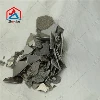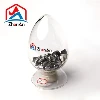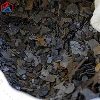

Silicon metal powder is a finely ground form of silicon metal, produced by crushing and screening silicon metal lumps into controlled particle sizes. It is usually made from standard silicon metal grades such as 553, 441, 3303, 2202 or higher-purity materials, depending on the end-use requirements.
Unlike lump or ingot silicon, silicon metal powder has a much larger surface area. This makes it more reactive and easier to mix in a wide range of industrial processes, including aluminum alloys, metallurgy, refractories, ceramics, and chemical applications. For international buyers, silicon metal powder offers a convenient way to precisely control both chemistry and particle size in their production.
How Silicon Metal Powder Is Produced
The production process generally includes:
- Selection of silicon metal feedstock
Appropriate grades of silicon metal are chosen based on the chemical composition required by the final application.
- Crushing and grinding
Silicon metal is mechanically crushed and ground into smaller pieces by crushers and mills.
- Screening into mesh sizes
The powder is screened into defined mesh ranges, such as 16–200 mesh or customized bands. This step ensures a stable and repeatable particle size distribution.
- Inspection and packaging
Chemical composition and particle size distribution are tested. Qualified material is then packed in jumbo bags, paper bags or other packing types ready for shipment.
Key Properties of Silicon Metal Powder
- Chemical composition – Silicon content and impurities such as Fe, Al and Ca define the grade.
- Particle size distribution – Mesh size affects flowability, reactivity and mixing behavior.
- Bulk density – Important for storage, transport and feeding systems.
- Flow characteristics – Good flowability makes dosing and handling easier.
Typical Applications
Silicon metal powder is widely used in:
- Aluminum alloy and foundry industries
- Metallurgical additives and deoxidizers
- Refractories and special ceramics
- Chemical and silicone-related products
- Powder metallurgy and special alloy production
By choosing the right combination of grade and mesh size, buyers can optimize performance and cost.
FAQ – Silicon Metal Powder Basics
Q1: Is silicon metal powder the same as silica or silicon dioxide?
A: No. Silicon metal powder is elemental silicon, while silica (SiO₂) is an oxide. They have different chemical properties and applications.
Q2: What is the most important parameter when buying silicon metal powder?
A: Both chemical composition and particle size distribution are critical. Many users start from the required silicon grade (e.g. 553, Si≥99%) and then specify mesh size.
Q3: Can silicon metal powder be customized for special applications?
A: Yes. Experienced suppliers can offer customized mesh ranges, special packing and specific quality requirements, as long as they are technically achievable.
Q4: Is silicon metal powder dangerous to handle?
A: Silicon metal powder is generally stable, but as with all fine powders, dust should be controlled. Proper ventilation, dust collection and personal protective equipment are recommended.
Q5: Does the choice of mesh size affect performance?
A: Yes. Finer powders usually offer faster reaction and better mixing, but may be more expensive and require more careful handling. Coarser powders may be easier to store and feed.
About Our Company
We are a professional manufacturer of silicon metal powder and metallurgical products with our own factory covering about 30,000 square meters. Thanks to our stable production lines and strict quality control, we can provide reliable monthly supply to customers around the world.
Our products are exported to more than 100 countries and regions, and we have already established cooperation with over 5,000 customers. Our sales team closely follows industry dynamics and market trends, helping buyers choose the most suitable products and purchasing strategies.
In addition to silicon metal powder, we also supply ferrosilicon, silicon metal lumps and other metallurgical materials, providing one-stop solutions for steel mills, foundries, alloy plants and chemical producers worldwide.