


Q1. How does vanadium density shape the performance gap between FeV50 and FeV80?
The most fundamental difference is vanadium concentration:
| Grade | Typical V Content | Implications for Performance |
|---|---|---|
| FeV50 | ~50% V | Balanced density, forgiving melting, stable recovery |
| FeV80 | ~78–82% V | High density, slower dissolution, requires disciplined dosing |
Higher vanadium content means FeV80 delivers more V per kilogram, but also makes melting and recovery more sensitive to furnace conditions.
Q2. How do FeV50 and FeV80 differ in melting behavior and dissolution speed?
Melting characteristics strongly influence vanadium recovery and steel homogeneity.
FeV50
Dissolves quickly during tapping or early ladle stages
Tolerates moderate changes in temperature and slag oxidation
Minimal risk of undissolved alloy remnants
FeV80
Requires more thermal energy due to high density
Dissolves slower, especially in short refining windows
Sensitive to slag viscosity and FeO levels
Benefits from strong stirring or higher tapping temperatures
In practice, FeV50 is the more forgiving of the two.
Q3. How does vanadium recovery compare between the two grades?
Recovery depends on dissolution efficiency, slag chemistry, and oxygen exposure.
| Performance Aspect | FeV50 | FeV80 |
|---|---|---|
| Recovery stability | High | Medium–high (if conditions are controlled) |
| Sensitivity to slag oxidation | Low | High |
| Melting-to-recovery linkage | Very predictable | Strongly condition-dependent |
| Oxidation losses | Moderate | Higher if melting is incomplete |
FeV80 can achieve strong recovery-but only when slag is clean, temperature is robust, and stirring is sufficient.
Q4. How does dosing stability differ between FeV50 and FeV80?
Because FeV80 contains far more vanadium, dosing precision matters more.
FeV50
Larger addition mass provides "buffering"
Less sensitive to small dosing errors
Ideal for mixed scrap or variable furnace conditions
FeV80
Small addition variations create larger V fluctuations
Requires excellent charge control
Best suited for mills with consistent tapping and stirring routines
If a mill has variable operations, FeV50 offers smoother dosing behavior.
Q5. Do impurities affect the two grades differently?
Even though impurity percentages may appear similar, the total impurity load differs dramatically.
Because FeV50 requires more kilograms per heat, it introduces:
more total carbon,
more sulfur/phosphorus,
more residual Al/Si.
FeV80 introduces fewer grams of impurities because addition mass is lower.
This makes FeV80 the "cleaner" option on a per-vanadium basis-useful for HSLA plate, pipeline steels, and applications with tight impurity budgets.
Conclusion: How do their overall performances differ?
In simplified terms:
FeV50 : most forgiving, faster melting, stable recovery, easier dosing.
FeV80 : higher vanadium density, cleaner impurity load, but requires disciplined furnace control.
Which performs "better" depends entirely on melt temperature stability, slag behavior, stirring power, and impurity sensitivity of the steel grade.
about Us
If you're choosing between FeV50 and FeV80 for your melt route, the best choice depends on temperature windows, slag stability, recovery targets, and dosing precision-not just vanadium percentage.
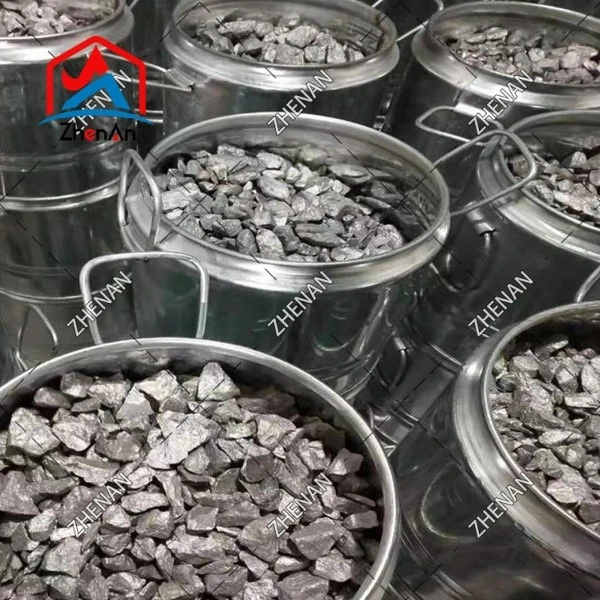
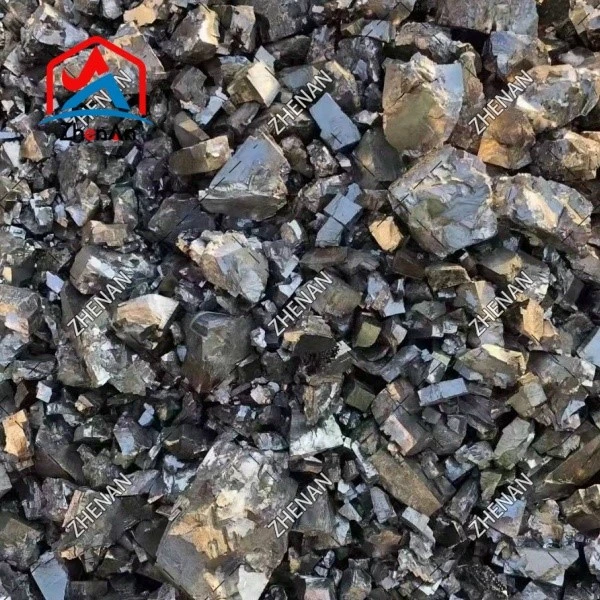
We supply FeV40, FeV50, FeV60, and FeV80 with controlled granularity and tight impurity limits.
If you'd like a grade recommendation or a clear quotation, simply share:
grade / size / quantity / destination / shipment window.
I'll prepare a melt-route-matched offer with COA details.










