
What Is Ferro Chrome?
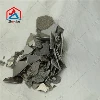
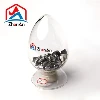
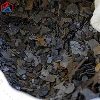
Ferro chrome is an iron-chromium alloy used as the main carrier of chromium in steelmaking. It can be divided into multiple types based on carbon content. High carbon ferrochrome typically contains about 4% to 10% carbon, medium carbon ferrochrome about 0.5% to 4%, and low carbon ferrochrome above 0.15% up to 0.5%. Grades with higher carbon are commonly called carbon ferrochromium, while ferrochromium with low carbon content is called refined ferrochromium, which is an iron alloy product with high chromium content. The carbon level is selected according to the target steel grade, because carbon must often be controlled within a narrow window in the finished product.
Improving Oxidation Resistance of Steel
Adding ferrochromium during the steelmaking process can effectively increase the oxidation resistance of the steel. The chromium element in ferrochrome protects the steel and slows down its oxidation rate, which extends the service life of the steel in elevated-temperature and oxidizing environments. This is one of the most fundamental reasons why chromium-bearing steels are specified for heat-resistant applications such as boiler tubes, heat exchangers and high-temperature fasteners.
Improving Corrosion Resistance
Putting a proportion of ferrochromium into the molten steel has the advantage of effectively improving the corrosion resistance of the steel. During steelmaking, adding a certain amount of ferrochromium in proportion to the element content in the molten steel allows the chromium to work at the surface of the finished product. The chromium element can adhere to the surface of the steel and provide a protective layer, which is the basis of the corrosion resistance of stainless and chromium-alloyed steels in wet, acidic and marine environments.
Improving Hardness and Wear Resistance
Ferrochrome is widely used in modern steelmaking mainly because it can effectively improve the hardness and wear resistance of steel. Chromium is not easy to combine with oxygen, so it contributes to the oxidation resistance already described, and in addition ferrochromium helps to purify steel impurities and improves the hardness of the steel. Chromium-alloyed steels and irons are therefore chosen for wear parts such as grinding media, crusher liners, pumps and other components exposed to abrasion.
Grade Selection and Practical Notes
When selecting ferro chrome, the buyer should confirm the chromium content, the carbon class, the size range and the impurity limits against the steel grade being produced. High carbon ferrochrome is the standard choice for most stainless and alloy steel production where carbon can be corrected downstream, while low carbon and micro carbon grades are used where the final carbon specification is tight. Because the addition is calculated on chromium units, the buyer should also verify that the certificate of analysis matches the ordered lot so that the chromium yield calculation is reliable.
FAQ
Q: How is ferro chrome classified by carbon content?
A: High carbon ferrochrome typically contains about 4% to 10% carbon, medium carbon about 0.5% to 4%, and low carbon above 0.15% up to 0.5%; the low-carbon types are also called refined ferrochromium.
Q: How does ferro chrome improve oxidation resistance?
A: Chromium protects the steel surface and slows its oxidation rate at elevated temperature, which extends the service life of the steel in oxidizing environments.
Q: Why is ferro chrome used in stainless steel production?
A: Chromium provides a protective surface layer that gives the steel its corrosion resistance, and ferro chrome is the economical way to introduce this chromium into the melt.
Q: Does ferro chrome improve hardness and wear resistance?
A: Yes. Chromium contributes to hardness and wear resistance, and it also helps to purify steel impurities, which is why chromium-alloyed steels are used for wear parts.
Q: What should a buyer check when ordering ferro chrome?
A: The buyer should confirm chromium content, carbon class, size range, impurity limits and documentation, and verify that the certificate of analysis matches the ordered lot.