
What Are Electrolytic Manganese Flakes?
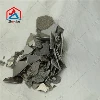
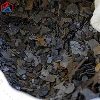
Electrolytic manganese, also called electrolytic manganese metal, is produced by acid leaching of manganese ore to obtain manganese salts, followed by electrolysis to deposit the metal. It appears like iron in irregular flakes that are firm but brittle, with one bright side and one rough side, in colours from silver-white to brown, and it turns silver-grey when processed into powder. The material oxidises easily in air, dissolves in dilute acid with hydrogen evolution, and can decompose water to release hydrogen at slightly above room temperature.
Role in Alloys
Because the purity of electrolytic manganese is very high, its main role is to increase the hardness of combined metal materials. It is most widely used in manganese-copper alloys, manganese-aluminium alloys and 200 series stainless steel. In these alloys, manganese improves strength, toughness, wear resistance and corrosion resistance, and it is also an effective austenite stabiliser in stainless steel.
Application Areas
Manganese and manganese alloys are indispensable raw materials for the iron and steel industry, the aluminium alloy industry, the magnetic material industry and the chemical industry. Electrolytic manganese is an indispensable additive in the smelting industry, and after processing into powder it is the main raw material for producing manganese tetraoxide (Mn3O4), which is used to make magnetic materials for the electronics industry.
Steel and Non-Ferrous Metallurgy
In steelmaking, electrolytic manganese is used as an alloying agent and deoxidizer, improving strength, toughness and hardness. In non-ferrous metallurgy it is used in aluminium and copper alloys where controlled manganese additions are required. Its high purity and low impurity characteristics make it suitable for applications where trace element control matters.
Electronics, Chemicals and Emerging Fields
Electrolytic manganese metal is needed in the electronic industry, the metallurgical industry and the aerospace industry. It is also used in the chemical industry, environmental protection applications, food hygiene-related processing, the electrode industry and other fields. The continuing development of high-purity grades has widened its use across these sectors, and demand from battery and new energy applications has grown in recent years.
FAQ
Q: How is electrolytic manganese produced?
A: Manganese ore is acid leached to manganese salts, which are then electrolysed to deposit high-purity manganese metal.
Q: What does manganese do in alloys?
A: It increases hardness and improves strength, toughness, wear resistance and corrosion resistance, and it stabilises austenite in stainless steel.
Q: Which alloys use electrolytic manganese most?
A> Manganese-copper alloys, manganese-aluminium alloys and 200 series stainless steel.
Q: What is EMM powder used for?
A: It is the main raw material for manganese tetraoxide (Mn3O4), which is used to produce magnetic materials for electronics.
Q: Why is high purity important?
A: High purity and low impurity content are required for applications with strict trace element control, such as electronics, aerospace and special alloys.