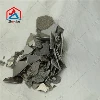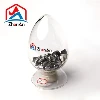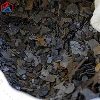

The chemical composition of silicon-manganese alloy is mainly silicon and manganese. The content of silicon is generally between 10% and 35%, and the content of manganese is generally between 60% and 85%.

The raw materials for producing silicon-manganese alloy include manganese ore, manganese-rich slag, silica, coke, etc. Silicon-manganese alloy has many uses in steel production, the main one being used as a deoxidizer for steel. The silicon in the silicon-manganese alloy can combine with the oxygen in the steel to form solid deoxidation, preventing oxygen from harming the steel and improving the quality of the steel.

Another important use of silicon-manganese alloy is as an alloy additive, which can improve the properties and strength of steel and extend the service life of steel. In addition, silicon-manganese alloy can also be used as stacking materials, casting aids, etc.

Silicon-manganese alloy pellet binder is a white solid powder, which is processed from organic and various chemical raw materials through chemical reactions and physical methods. It is non-corrosive and does not contain harmful elements such as sulfur and phosphorus. It is used for molding manganese ore powder, manganese dust and other powders. 1 ton can produce 40-50 tons of pellets. The product yield reaches 95%. The wet ball is more than 2 meters high and cannot fall. It is loose and can be cured naturally or dried without sintering. It has high strength and does not reduce the grade. It replaces part of the manganese ore blocks and enters the furnace. It has the characteristics of stable furnace conditions, fast feeding, good air permeability, no slag turning, no ignition, and normal gas recovery.

The silicon-manganese alloy pellet binder used in smelting has the characteristics of stable furnace conditions, good air permeability of the charge, improved product quality, elimination of hidden dangers in blast furnaces, energy saving and emission reduction, and clean production. Current country.