
Silicon metal grade 3303 is one of the most commonly referenced grades in international silicon metal trade. Unlike laboratory chemicals, silicon metal grades are commercial classifications, designed to help buyers and sellers quickly align on expected quality positioning, typical impurity ranges, and application suitability. Understanding the grade specification of silicon 3303 is essential for procurement managers, engineers, and traders who want consistent performance and reliable supply.
It is important to note that "3303" is not a single global standard document, but a widely accepted trade grade framework. Buyers should therefore understand both what the grade implies and what still needs to be confirmed contractually.
1) What does "3303" mean in silicon metal grading?
In commercial practice, silicon metal grades are expressed as numeric codes (such as 553, 441, 421, 3303, 2202). These codes are used to indicate typical impurity positioning and market usage, not just silicon content alone.
For silicon metal 3303, the grade generally indicates:
- industrial-grade silicon suitable for large-volume use
- controlled impurity positioning for routine alloying and chemical use
- a balance between performance requirements and cost efficiency
The grade name helps buyers communicate quickly, but it does not replace a detailed specification sheet.
2) Typical specification framework for silicon metal 3303
While exact limits may vary by supplier and contract, silicon metal 3303 is usually evaluated based on the following parameters:
A) Chemical composition
In industrial purchasing, buyers focus less on absolute silicon purity and more on impurity control, especially elements that affect downstream processes.
Key elements typically monitored include:
- Iron (Fe) – important for aluminum alloy quality
- Aluminum (Al) – relevant for alloy and chemical routes
- Calcium (Ca) – affects reactivity and processing behavior
- Carbon (C) – influences certain metallurgical uses
- Phosphorus (P) and Sulfur (S) – usually controlled at low levels
Rather than relying on a generic grade label, buyers should always confirm impurity limits on the COA.
B) Physical form and size range
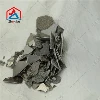
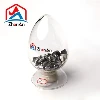
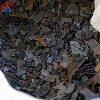
Silicon metal 3303 is most commonly supplied in lump form. Size range is a critical part of the "real specification" because it directly affects feeding behavior and recovery.
Common considerations include:
standard lump sizes for furnace charging
controlled sizing for improved repeatability
minimization of fines to reduce loss and dust
In many applications, size consistency is as important as chemistry.
C) Packaging and handling requirements
Packaging is part of the specification in real-world trade. Typical export packaging includes:
- jumbo bags
- inner liners for moisture protection
- palletization if required by the buyer
Improper packaging can negate the benefits of correct grade selection by increasing contamination or handling loss.
3) How silicon metal 3303 specifications align with applications
Aluminum alloy production
Aluminum plants often select silicon metal 3303 because its impurity positioning allows effective silicon addition while keeping iron input manageable. For many alloy systems, this balance supports stable production without the need for premium-grade silicon.
Chemical and silicone supply chains
For chemical users, silicon metal 3303 can serve as a reliable feedstock when internal process controls manage sensitivity. Consistency and lot stability are often more important than marginal differences in nominal purity.
Metallurgical and industrial uses
In metallurgical processes, buyers focus on reaction behavior, size distribution, and handling safety. Silicon metal 3303 is commonly chosen when it meets operational needs at a controlled cost level.
4) What silicon 3303 does NOT guarantee by itself
A common mistake is assuming that specifying "3303" automatically guarantees performance. In reality, the grade name alone does not define:
- exact impurity limits
- size distribution
- lot-to-lot consistency
- moisture condition
- inspection and sampling method
These details must be confirmed in the purchase specification and contract.
5) How to specify silicon metal 3303 correctly when buying
To avoid misunderstandings and rejections, buyers should specify:
- grade: silicon metal 3303
- required impurity limits (Fe, Al, Ca, etc.)
- size range and tolerance
- packaging and moisture protection
- COA format and inspection requirements
- shipment terms and delivery window
Clear specifications reduce disputes and improve execution speed.
FAQ
Q1: Is silicon metal 3303 a global standard?
A: No. It is a widely used commercial grade designation. Exact limits should be confirmed with the supplier.
Q2: Does 3303 mean high-purity silicon?
A: Not necessarily. It indicates an industrial-grade positioning suitable for many applications, not ultra-high purity.
Q3: Why do buyers still need a COA if the grade is 3303?
A: Because performance depends on actual impurity levels, not just the grade name.
Q4: Is size range part of the grade specification?
A: In practice, yes. Size range is critical for handling and recovery and should always be specified.
Q5: Can silicon metal 3303 be supplied on a stable monthly basis?
A: Yes, when arranged with suppliers that have planned production and inventory management.


About Our Company
We are a factory-direct manufacturer and exporter of metallurgical products with a production base of approximately 30,000 square meters and stable monthly supply capacity. Our products are exported to more than 100 countries and regions, and we have established long-term cooperation with over 5,000 customers worldwide. Our sales team understands industry requirements and market trends, helping buyers match specifications, optimize procurement, and secure reliable supply.
In addition to silicon metal (including 3303), we also supply ferrosilicon, silicon metal powder, electrolytic manganese metal, ferrovanadium, and other metallurgical materials. Share your specification and purchasing plan, and we will support you with a professional quotation and stable supply solution.