
Manganese is an essential element in steelmaking, alloy production, welding materials, and other industrial processes. However, not all manganese materials perform the same way in practice.
Electrolytic Manganese Flake and Manganese Metal differ not only in production method, but also in chemical control, physical form, and application focus. Understanding these differences is critical for achieving stable product quality and efficient production.

Key Differences Between Electrolytic Manganese Flake and Manganese Metal
1. How Do Production Methods Differ?
Q: How is Electrolytic Manganese Flake produced?
A: It is produced through an electrolytic process, which allows precise control over manganese purity and impurity levels.
Q: How is Manganese Metal typically produced?
A: Manganese Metal is usually produced through thermal or metallurgical processes, which may result in broader composition ranges depending on raw materials and process control.
2. Is There a Difference in Chemical Purity?
Q: Which material offers higher purity control?
A: Electrolytic Manganese Flake generally provides more consistent purity and lower impurity levels, especially for elements such as sulfur, phosphorus, and carbon.
Q: Why does this matter in industrial applications?
A: Impurities can negatively affect mechanical strength, corrosion resistance, and weld quality, making purity control critical for high-performance applications.

3. How Does Physical Form Affect Usage?
Q: What is the typical form of Electrolytic Manganese Flake?
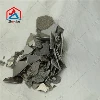
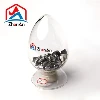
A: It is supplied in thin, irregular flake form, designed for efficient melting and accurate dosing.
Q: How does Manganese Metal differ in form?
A: Manganese Metal is often supplied in lumps or ingots, which may require additional processing before use.
4. Which Material Offers Better Process Control?
Q: Why is process control important for manufacturers?
A: Stable process control ensures consistent alloy composition and repeatable production results.
Q: Which option provides better control?
A: Electrolytic Manganese Flake is typically preferred when precise addition and batch consistency are required, especially in specialty alloys and welding materials.
5. Are There Differences in Typical Applications?
Q: Where is Electrolytic Manganese Flake commonly used?
A: It is widely used in special steels, aluminum and copper alloys, welding consumables, and applications requiring strict impurity control.
Q: Where is Manganese Metal more commonly used?
A: Manganese Metal is often used in general metallurgical applications where tolerance for composition variation is higher.
How Should Buyers Choose Between the Two?
Q: Is Electrolytic Manganese Flake always the better choice?
A: Not necessarily. The correct choice depends on application requirements, quality standards, and cost-performance considerations.
Q: What key factors should buyers evaluate?
A: Buyers typically consider:
- Required purity and impurity limits
- Melting behavior and dosing accuracy
- Consistency between batches
- Long-term supply stability
About Our Electrolytic Manganese Flake Supply
Our company specializes in supplying Electrolytic Manganese Flake for industrial applications, with a strong focus on quality consistency and controlled composition.
We operate with an integrated manufacturing and export model, combining production, processing, and international logistics. This allows us to provide reliable material performance and stable delivery for global customers.

Why Our Electrolytic Manganese Flake Is Chosen
Q: How do we ensure product consistency?[contact us]
A: Through standardized production control and routine chemical testing, ensuring stable manganese purity and controlled impurity levels, supported by transparent COA documentation.
Q: What advantages does our flake form provide?
A: Our uniform flake-form manganese metal supports efficient melting and precise alloying, helping customers maintain consistent production results.
Supporting Long-Term Industrial Use
Q: How do we manage oxidation and transportation risks?
A: Products are packed with moisture-resistant and oxidation-control packaging, suitable for long-distance transport and extended storage.
Q: Can we support long-term supply programs?
A: Yes. Many customers work with us due to our batch stability, predictable lead times, and technical communication.
If you are evaluating manganese materials for continuous production, feel free to contact us for supply information.
Conclusion
While Electrolytic Manganese Flake and Manganese Metal both serve as manganese sources, they differ significantly in purity control, physical form, and application suitability.
For applications requiring precision, consistency, and low impurity risk, Electrolytic Manganese Flake is often the preferred choice.
By understanding these key differences and working with a reliable supplier, manufacturers can make informed decisions that support stable production and consistent product quality.