



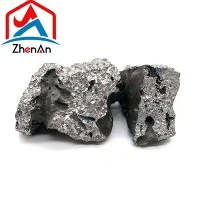
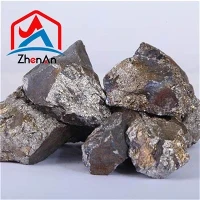



50% Ferro Vanadium For Advanced Metallurgical Refining
+200 MPa Strength Boost: Transform your steel's performance. Our high-purity FeV50 refines the grain structure, increasing the yield strength of structural steel by up to 200 MPa while keeping it easy to weld.
95%+ Vanadium Recovery: Our 10-50mm lumps are the perfect size. They sink fast and dissolve quickly in the ladle, meaning less vanadium ends up in the slag and more ends up in your steel.
Low Impurity "Clean" Alloy: We strictly limit Al, Si, P, and S. This ensures your high-end alloys and tool steels remain defect-free, preventing gas pores and brittle spots.
Airtight Steel Drum Protection: We ship in sealed, heavy-duty 250kg steel drums. Your material arrives bone-dry, oxide-free, and ready to use, even after a 30-day sea voyage.
30-Year Manufacturer Pricing: Buy straight from the source. With a 1,000-ton monthly capacity, we offer real-time factory pricing that saves you 5-10% compared to trading companies.
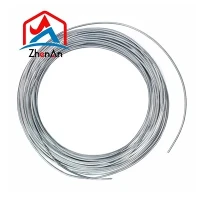
Ferro Vanadium 50 (FeV50) is an iron-vanadium master alloy with 50–55% vanadium, supplied as 10–50 mm lumps. You add it to molten steel to introduce vanadium, which forms fine carbides and carbonitrides that refine grain and raise strength. We supply FeV50 in 250 kg steel drums with a COA, and the lump size can be customized to your furnace. Before you order, check the specification against your steel grade limits, especially carbon, silicon, aluminum, phosphorus and sulfur.

FeV50 Ferro Vanadium Overview
Vanadium is added to steel in small amounts, and FeV50 is one of the common ways to add it. Once dissolved, vanadium combines with carbon and nitrogen to form fine precipitates. These hold back grain growth and strengthen the steel without a large increase in total alloy content. That is why you find vanadium in rebar and structural steel, tool and high-speed steel, and spring and forging grades.
FeV50 is part of our vanadium series. If you are still deciding which vanadium source suits your process, our guide on vanadium pentoxide flakes vs ferrovanadium compares the two, and our ferro vanadium guide explains the grades.
FeV50 Technical Specifications
| Element | Vanadium (V) | Silicon (Si) | Aluminum (Al) | Phosphorus (P) | Sulfur (S) | Carbon (C) |
|---|---|---|---|---|---|---|
| Content | 50.0% – 55.0% | < 2.0% | < 1.5% | < 0.06% | < 0.04% | < 0.3% |
These are our standard FeV50 limits. If your steel grade needs tighter limits on any element, tell us before you order, and confirm the final specification in writing.
| Parameter | Details |
|---|---|
| Product | Ferro Vanadium 50 (FeV50), lump form |
| Lump size | 10–50 mm (90% min), or customized to your furnace requirements |
| Packing | 250 kg steel drums (4 drums per pallet) or 100 kg drums |
| Loading port | Tianjin or Qingdao |
| Documents | COA with each shipment |
How Do You Choose Between FeV50 and FeV80?
The main difference is vanadium per ton. FeV80 carries more vanadium, so you add less weight for the same vanadium target, which can simplify handling and logistics. FeV50 means a larger addition weight, which many melt shops find easier to control and mix, particularly in smaller furnaces and ladles. FeV50 also generally dissolves more easily at lower temperature than FeV80.
The right choice depends on your dosing system, your melt practice and the vanadium price per kilogram of contained vanadium. If you need both grades, see our ferro vanadium range.
How Much FeV50 Should You Add to Your Steel?
You can estimate the addition from your melt weight, the vanadium you need to gain, the vanadium content of the alloy and your recovery:
FeV50 (kg) = Melt weight (kg) × (target V − residual V) ÷ (V content of FeV50 × V recovery)
Use decimals for the percentages. For microalloyed steels, the vanadium target in the steel is often in the range of about 0.05–0.15%, but your grade standard decides the real number. Vanadium recovery is the part you measure yourself: it depends on how oxidized the melt is, the slag, and where you add the alloy. Adding after deoxidation generally gives better recovery than adding into an oxidizing melt. Sample before and after the addition on a few heats and record the result for your practice.
Where Is FeV50 Used?
| Application | What vanadium does | What to confirm before you order |
|---|---|---|
| Rebar and structural steel (HSLA) | Refines grain and adds precipitation strengthening, so you can reach a higher strength class with a lean composition | Vanadium target and the carbon, phosphorus and sulfur limits of your grade |
| Tool, die and high-speed steel | Forms hard vanadium carbides that support wear resistance and hardness at working temperature | Vanadium range and low residual aluminum and silicon for your grade |
| Springs, forgings and fasteners | Limits grain coarsening during forging and heat treatment | Vanadium target and impurity limits in your product standard |
What Should You Check on the FeV50 COA?
| COA item | Why it matters |
|---|---|
| Vanadium (V) | Sets how much vanadium each kilogram delivers and feeds your addition calculation |
| Carbon, silicon, aluminum | These go into the melt with the alloy, so they must fit your grade limits |
| Phosphorus and sulfur | Both are unwanted in most steels, so check them against your grade limit |
| Lump size | Affects dissolving speed and how evenly the alloy mixes in your furnace or ladle |
FeV50 Quality Control, Packing and Shipping
- Quality checks: We test the melt before casting and the lumps before packing. Each shipment comes with a COA, and third-party inspection such as SGS or BV is welcome.
- Packing: Steel drums of 250 kg (4 drums per pallet) or 100 kg for easier manual handling. Drums are sealed so the alloy stays dry until it reaches your plant.
- Shipping: Loading is at Tianjin or Qingdao. Lead time depends on quantity, and for stock orders it is usually within 7–14 days. Confirm it when you place the order.

You can also email us at business@zaferroalloy.com.
FeV50 FAQ
Q: What information should I send to get an accurate FeV50 quote?
A: Send the quantity, lump size, packing method, destination port and the steel grade you will use it in. If you have tighter limits on carbon, silicon, aluminum, phosphorus or sulfur, include them so the specification can be confirmed before quotation.
Q: Can you supply a different lump size?
A: Yes. The standard size is 10–50 mm (90% min), and other sizes can be customized to your furnace or ladle requirements. Confirm the size range before you order.
Q: How can I verify the vanadium content when the shipment arrives?
A: Compare your own analysis with the COA for the lot. You can also arrange third-party inspection such as SGS or BV, and agree the sampling method and the tolerance with us before shipment.
Q: How should I store FeV50?
A: Keep the drums sealed and stored dry, off wet ground. Damp alloy is a safety concern when it goes into molten metal, so use only dry material.
Q: Is vanadium pentoxide an alternative to FeV50?
A: In some processes, yes. It depends on your furnace, your reduction practice and the cost of contained vanadium. See our 98% vanadium pentoxide flakes and the comparison guide above before you decide.
Q: Can I get a sample or volume pricing?
A: Sample availability and volume pricing depend on the quantity and the current market. Contact us with your requirement, and we will confirm the terms and today's price.
Hot Tags: 50% ferro vanadium for advanced metallurgical refining, China 50% ferro vanadium for advanced metallurgical refining manufacturers, suppliers, factory, ferro alloy for regional hemp industry, 50 Ferro Vanadium Lumps, ferro alloy for municipal hemp industry, ferro alloy for storage industry, ferro alloy for paper industry, ferro alloy for logistics industry
You Might Also Like


Send Inquiry