






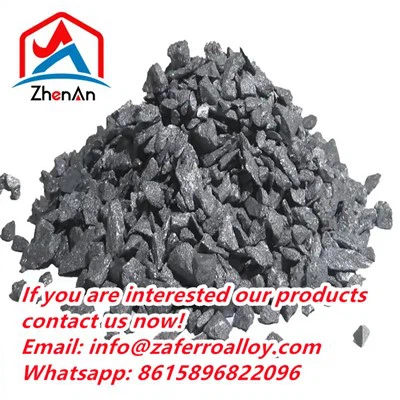
Durable Silicon Slag For Alloy Production
Products Parameters
| Type | Chemical Composition (%) | ||||
| Si | Al | S | P | C | |
| ≤ | |||||
| Silicon Slag 35-38 | 35-38 | 5 | 0.1 | 0.05 | 5 |
| Silicon Slag 38-42 | 38-42 | 5 | 0.1 | 0.05 | 5 |
| Silicon Slag 42-47 | 42-47 | 5 | 0.1 | 0.05 | 5 |
| Silicon Slag 50-55 | 50-55 | 5 | 0.1 | 0.05 | 5 |
| Silicon Slag 55-60 | 55-60 | 5 | 0.1 | 0.05 | 5 |
| Silicon Slag 60-65 | 60-65 | 5 | 0.1 | 0.05 | 5 |
| Size | 10-50mm 90% min/10-70mm 90% min /10-100mm 90% min | ||||

Products Description
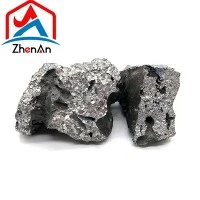
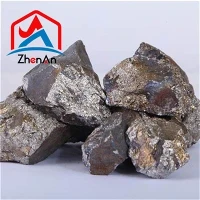
Silicon slag is a by-product of the metallurgical industry, mainly produced in the production process of ferrosilicon alloy or metallic silicon. Although it is called "slag", in modern industry, silicon slag is not completely useless waste, but has certain recycling value. Its composition and characteristics determine its application potential in many fields, especially in the metallurgical and construction industries. With the popularization of the concept of resource recycling, the recovery and reuse of silicon slag has gradually received attention.

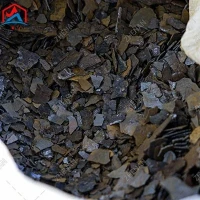
The main component of silicon slag is silicon dioxide (SiO₂), and it also contains a small amount of incompletely reacted silicon metal, calcium oxide, aluminum oxide and other impurities. Its specific composition depends on the raw materials and production process. In the production of ferrosilicon or metallic silicon, the ore reacts under high-temperature reduction conditions, silicon is extracted, and the remaining impurities form molten slag. After cooling and crushing, these slags become silicon slag. Since silicon slag still contains a certain amount of silicon, it can be used as a low-grade silicon source in some scenarios.

In the metallurgical industry, the most common use of silicon slag is as a deoxidizer or alloy additive in the steelmaking process. Although its silicon content is lower than that of primary ferrosilicon, silicon slag can partially replace ferrosilicon in some steel grades that do not require high silicon content, thereby reducing production costs. In addition, other components in silicon slag, such as calcium and aluminum, may also play a certain auxiliary role in the smelting process. For example, calcium can combine with sulfur to reduce the sulfur content in steel and improve the properties of steel. This application not only reduces the accumulation of silicon slag, but also provides an economically viable alternative for metallurgical companies.

In addition to the metallurgical industry, silicon slag also has certain applications in the field of building materials. Because it is rich in silica, silicon slag can be used as an admixture for cement or concrete after proper treatment. In cement production, the addition of silicon slag can improve certain properties of the material, such as compressive strength and durability. At the same time, the use of silicon slag can also reduce the mining of natural raw materials, which meets the requirements of sustainable development. However, impurities in silicon slag may affect the quality of the final product, so it usually needs to be screened or treated before application.
Hot Tags: durable silicon slag for alloy production, China durable silicon slag for alloy production manufacturers, suppliers, factory, silicon unit, silicon integrated circuit, Pure Silica Powder, silicon casting, 553 Silicon Metals supplier, silicon nitride
You Might Also Like



Send Inquiry