



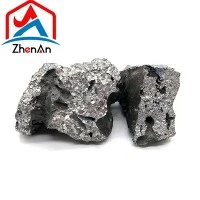
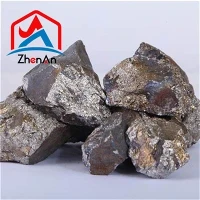
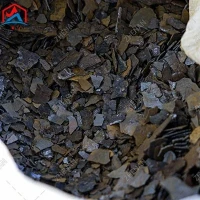



High Carbon Silicon Alloy | Si 60-68% C 15-20%
Quick Answer: High Carbon Silicon Alloy
High Carbon Silicon Alloy, also called silicon carbon alloy or high carbon silicon, is a Si-C metallurgical material used in steelmaking where silicon and carbon need to be introduced together.
The current product range includes three reference compositions: Si 68% min / C 18% min, Si 65% min / C 15% min, and Si 60% min / C 20% min. All three grades currently list P 0.05% max, S 0.01% max and Al 3.0% max.
Available reference particle sizes are 0–10 mm, 10–50 mm and 10–100 mm. If your furnace requires another size range or a specific fines / oversize tolerance, include that requirement in the inquiry before quotation.

High Carbon Silicon Alloy
What Does High Carbon Silicon Do in Steelmaking?
High carbon silicon combines silicon and carbon in one metallurgical material. It can be used where your process requires both a silicon-bearing addition and carbon input during steelmaking.
Silicon Addition
Silicon participates in deoxidation reactions in molten steel and can also contribute to the target silicon content of the final steel chemistry.
Carbon Addition
The carbon content allows the same material to contribute carbon during the metallurgical process. The required addition rate should be calculated from your starting melt chemistry and target composition.
Combined Si-C Addition
Where your process would otherwise use separate silicon-bearing and carbon-bearing materials, high carbon silicon can provide both elements in one charge material.
The correct grade should therefore be selected according to your required Si/C balance rather than simply choosing the grade with the highest silicon or carbon percentage.
High Carbon Silicon Chemical Composition
| Grade | Si Min. | C Min. | P Max. | S Max. | Al Max. |
| HC Si 68/18 | 68% | 18% | 0.05% | 0.01% | 3.0% |
| HC Si 65/15 | 65% | 15% | 0.05% | 0.01% | 3.0% |
| HC Si 60/20 | 60% | 20% | 0.05% | 0.01% | 3.0% |
If your internal specification uses a different Si/C ratio or tighter P, S or Al limits, send the required chemistry before quotation.
How to Select a High Carbon Silicon Grade
Si 68% / C 18%
This grade provides the highest minimum silicon level among the current three reference specifications while maintaining C 18% min.
Si 65% / C 15%
This grade uses a lower minimum carbon level than the other two current options. It can be considered where your process requires Si 65% min while limiting the amount of carbon introduced per unit of material.
Si 60% / C 20%
This grade provides the highest minimum carbon level in the current table and the lowest minimum silicon level among the three options.
The appropriate specification depends on how much Si and C your melt actually needs. Compare the required addition of both elements before selecting a grade.
Si 68/18 vs Si 65/15 vs Si 60/20
| Specification | Si Min. | C Min. | Main Selection Point |
| 68 / 18 | 68% | 18% | Higher Si requirement within the current product range |
| 65 / 15 | 65% | 15% | Lower carbon input within the current three reference grades |
| 60 / 20 | 60% | 20% | Higher carbon input with lower minimum Si |
High Carbon Silicon as a Steelmaking Deoxidizer
Silicon-carbon alloy can be used as a composite deoxidizing material in steelmaking. Silicon reacts with dissolved oxygen during the metallurgical process, while the material also introduces carbon.
Why Chemistry Control Matters
The deoxidation function does not mean every silicon-carbon alloy can be used interchangeably. Si/C ratio, P, S and Al should still match your steelmaking specification.
Calculate the Addition from Your Melt
The amount of high carbon silicon required depends on your initial steel chemistry, target Si and C levels, furnace practice and other alloy additions.
For this reason, dosage should be determined from your own metallurgical calculation rather than from one fixed universal addition rate.
High Carbon Silicon vs Separate Silicon and Carbon Additions
The main purchasing difference is that high carbon silicon supplies both Si and C in the same material.
| Option | What It Adds | What You Need to Control |
| High Carbon Silicon | Silicon + carbon in one material | Si/C ratio plus P, S and Al |
| Separate Silicon Addition | Primarily silicon according to the selected material | Silicon requirement and associated impurities |
| Separate Carbon Addition | Primarily carbon according to the selected material | Carbon addition and impurity limits |
Which route is more suitable depends on your target steel chemistry and furnace practice. High carbon silicon should not be selected only because it combines two elements; the combined Si/C ratio must also fit the process.
High Carbon Silicon Particle Sizes
The current product information lists three reference particle-size ranges:
| Size | Selection Consideration |
| 0–10 mm | Smaller particle range where your feeding system requires finer material |
| 10–50 mm | Medium lump range for applicable metallurgical charging systems |
| 10–100 mm | Broader lump-size range where larger material is acceptable |
Define Fines and Oversize if Important
If your process limits undersize or oversize particles, include the required tolerance in the RFQ. A nominal size range alone does not define the complete receiving standard.
Applications of High Carbon Silicon Alloy
Steelmaking Deoxidation
High carbon silicon can be used as a silicon-bearing deoxidizing material where its Si/C balance matches your process.
Silicon and Carbon Adjustment
The material can also be used where both silicon and carbon need to be adjusted during steel production.
Metallurgical Charge Material
Different lump sizes allow the material to be selected according to your charging and handling requirements.
For each application, the actual grade and dosage should be based on the required steel chemistry rather than on the generic product name alone.
High Carbon Silicon Storage and Supply
The material should be stored under suitable dry conditions and kept clearly identified by grade and batch so the correct Si/C specification can be traced during use.

High Carbon Silicon Quality Control
Check Silicon and Carbon Together
Because this product supplies both elements, Si and C should be checked together when the batch is accepted.
Check P, S and Al
The current reference specification lists P 0.05% max, S 0.01% max and Al 3.0% max for all three grades.
Check Particle Size
Confirm that the delivered particle-size range matches the purchase specification and any agreed fines / oversize tolerance.
Batch COA
If your quality procedure requires a batch COA, include that requirement before order confirmation so the delivered chemistry can be compared with the agreed specification.
High Carbon Silicon Order and Specification Discussion

High Carbon Silicon Supply Support
For high carbon silicon orders, we confirm the required Si/C grade, particle size, quantity and quality requirements before supply.
Stable Supply
The current supply reference is approximately 3,000 MT per month. Actual availability should be confirmed according to grade, size and order schedule.
Inspection Support
Chemical specification and particle-size requirements should be confirmed before shipment. If you require specific inspection documents or third-party verification, include them in the RFQ.
Samples
Samples can be discussed for chemical analysis or material evaluation before a bulk order. Send the required grade and particle size so the correct sample can be prepared.
Packing and Delivery
The current source information does not provide a complete fixed packing specification or MOQ for every high carbon silicon order. These items should be confirmed according to your grade, particle size and quantity.
Delivery Time
The current page gives 7–15 days as a reference delivery period after payment. Final shipment timing still depends on current stock, grade, size, quantity, packing and logistics arrangement.
Destination and Trade Term
Provide the destination port and required Incoterm so freight and quotation terms can be calculated on the correct basis.
How to Compare High Carbon Silicon Quotations
| Comparison Item | What to Check |
| Si | 60%, 65% or 68% minimum |
| C | 15%, 18% or 20% minimum depending on grade |
| Impurities | P, S and Al limits |
| Particle Size | 0–10 / 10–50 / 10–100 mm or agreed custom range |
| Packing | Net weight and export packing basis |
| Quality Documents | COA or agreed inspection requirement |
| Commercial Basis | Quantity, destination and Incoterm |
What to Include in a High Carbon Silicon RFQ
- Grade: Si 68 / C 18, Si 65 / C 15, Si 60 / C 20 or another required chemistry.
- Impurities: required P, S and Al limits.
- Particle Size: 0–10 mm, 10–50 mm, 10–100 mm or another range.
- Size Tolerance: fines and oversize limits if controlled.
- Quantity: required metric tons.
- Application: deoxidation, Si/C adjustment or another metallurgical use.
- Packing: required packing format and net weight.
- Destination: destination port.
- Incoterm: FOB / CFR / CIF or another agreed term.
- Documents: COA or other required inspection documents.
High Carbon Silicon FAQ
Request a High Carbon Silicon Quote
Send us your required Si and C content, P / S / Al limits, particle size, quantity and destination port.
If your furnace requires a specific fines or oversize tolerance, batch COA or other inspection condition, include those requirements in the inquiry.
We will confirm the applicable high carbon silicon grade, size and current supply conditions before preparing the quotation.
Hot Tags: High Carbon Silicon Alloy | Si 60-68% C 15-20%, China High Carbon Silicon Alloy | Si 60-68% C 15-20% manufacturers, suppliers, factory
Previous
Silicon Carbon AlloyYou Might Also Like


Send Inquiry