

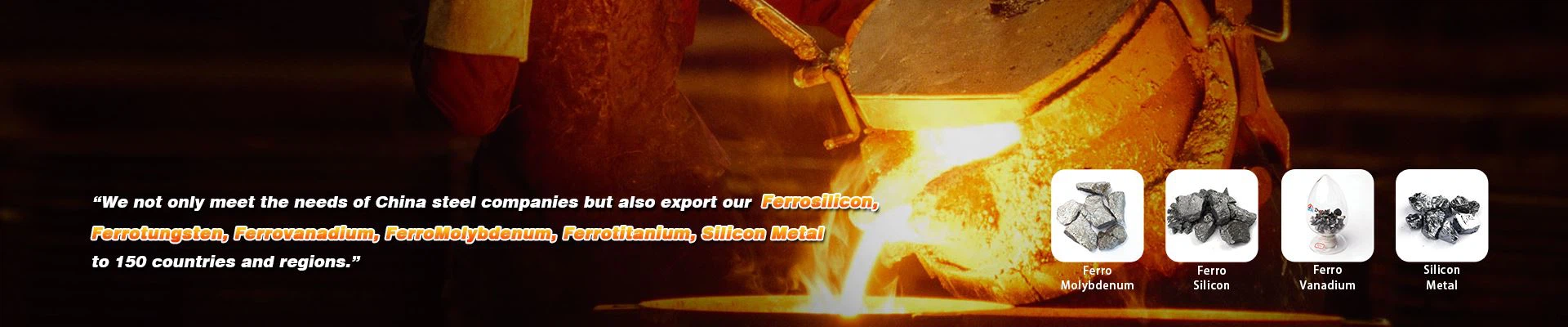


Ferro Vanadium 50/80 Lumps | Precise Grain Refiner For HSLA & Tool Steel

Ferro Vanadium 50/80 Lumps | Precise Grain Refiner For HSLA & Tool Steel suppliers

Ferro Vanadium 50/80 Lumps | Precise Grain Refiner For HSLA & Tool Steel factory

Ferro Vanadium 50/80 Lumps | Precise Grain Refiner For HSLA & Tool Steel best
Ferro Vanadium 50/80 Lumps | Precise Grain Refiner For HSLA & Tool Steel
Product Overview
Ferro Vanadium 50/80 is an iron-vanadium alloy used to introduce vanadium into molten steel with better dosing accuracy and alloy recovery than oxide-based raw materials. For steel mills, this matters because stable vanadium addition directly affects yield strength, grain refinement and final mechanical performance. A consistent FeV alloy helps reduce alloy fluctuation, avoid over-addition, and improve production cost control.
Zhen An supplies FeV50 and FeV80 lumps for HSLA steel, tool steel, die steel, construction steel and special alloy steel. Standard lump size is usually 10–50mm, which helps reduce dust loss, improve feeding accuracy and support stable melting performance.
Technical Specifications
| Element | FeV50 | FeV80 |
|---|---|---|
| Vanadium V | 50–60% | 75–82% |
| Aluminum Al | ≤1.5% | ≤0.1–0.5% |
| Silicon Si | ≤2.0% | ≤0.5% |
| Carbon C | ≤0.2% | ≤0.1% |
| Phosphorus P | ≤0.05% | ≤0.04% |
| Sulfur S | ≤0.05% | ≤0.04% |
| Size | 10–50mm | 10–50mm |
| Quantity | 1MT, 5MT, 20MT |
| Application | HSLA steel, tool steel, construction steel |
| Packing | 250kg iron drum or 1MT jumbo bag |
| Destination Port | Rotterdam, Busan, Jebel Ali, Mumbai |
| Inspection Requirement | COA, SGS, CCIC, third-party test |
Vanadium content determines the actual alloying efficiency, while Al, Si, C, P and S levels affect the cleanliness and performance stability of the final steel. For tool steel and high-speed steel, lower impurity levels are especially important because excessive aluminum, phosphorus or sulfur may influence toughness, machinability and heat-treatment performance. This is why buyers should not compare Ferro Vanadium only by price per ton, but by effective vanadium content, impurity control and recovery rate.
Main Applications of Ferro Vanadium 50/80 Lumps
HSLA Steel
Ferro vanadium supports grain refinement and precipitation strengthening in high-strength low-alloy steel. By refining internal grain structure and generating fine precipitated phases, it eliminates structural defects caused by hot rolling and cooling. This effectively boosts yield strength, low-temperature toughness and structural uniformity, helping manufacturers produce lightweight HSLA steel that meets strict engineering standards, reduces material consumption and lowers long-term structural maintenance costs.
Tool Steel and Die Steel
Vanadium helps form high-hardness stable vanadium carbides in tool steel and die steel. These dense carbide particles evenly distribute in the steel matrix, resisting friction, extrusion and thermal fatigue under heavy loads and repeated impact. It greatly enhances wear resistance, sustained hardness and thermal stability, extending die and tool service life, reducing frequent replacement downtime and cutting overall production operation costs for metal processing enterprises.
High-Speed Steel
FeV80 is often used in high-speed steel where higher vanadium content and ultra-low impurity levels are required. High-purity vanadium optimizes the alloy microstructure and inhibits high-temperature softening at cutting heat. It significantly improves red hardness, high-temperature oxidation resistance and sharpness retention, enabling cutting tools to maintain stable working performance under high-speed and high-temperature processing, and greatly improving machining efficiency and product surface finish.
Construction Steel and Rebar
Ferro vanadium is adopted as a core microalloying element for construction steel and rebar. With a small addition amount, it achieves obvious strengthening and toughening effects, realizing high strength grade upgrading of rebar without changing conventional smelting processes. It helps steel mills control comprehensive alloy costs efficiently, while construction projects gain seismic resistance and structural safety, complying with national infrastructure building codes and improving the durability of buildings and bridges.
Heat-Resistant and Wear-Resistant Steel
Reasonable vanadium addition optimizes the high-temperature organizational stability and anti-wear performance of special steel. It suppresses grain coarsening and high-temperature creep under long-term high-temperature, corrosion and heavy-duty working environments. The upgraded hardness stability, thermal resistance and fatigue resistance ensure continuous and reliable operation of equipment in metallurgy, mining and power industries, reducing failure rate, prolonging equipment service cycle and creating higher long-term economic benefits for end users.
FeV50 vs FeV80: How to Choose the Right Grade?
FeV50 and FeV80 are both used to add vanadium into steel, but they are not identical in cost structure, alloy efficiency and application focus.
| Item | FeV50 | FeV80 |
|---|---|---|
| Vanadium Content | 50–60% | 75–82% |
| Typical Use | HSLA steel, construction steel, general alloy steel | Tool steel, high-speed steel, special alloy steel |
| Cost Feature | Better cost control per purchase ton | Higher vanadium concentration |
| Addition Amount | Higher addition quantity required | Lower addition quantity required |
| Impurity Requirement | Suitable for general steelmaking | Better for stricter alloy systems |
| Buyer Focus | Cost-performance balance | High vanadium recovery and low impurities |
FeV50 is suitable for buyers who need stable vanadium addition at a more economical level. FeV80 is more suitable when the steel grade requires higher vanadium content, lower impurities and more precise alloy control.
Why Vanadium Recovery Rate Matters
Vanadium recovery rate directly affects the real cost of ferro vanadium addition. A lower purchase price does not always mean lower production cost if the alloy has unstable composition, excessive fines or poor melting behavior.
For steel mills, a stable recovery rate helps:
- reduce alloy waste
- improve vanadium yield in molten steel
- control final steel composition more accurately
- avoid over-addition caused by uncertainty
- improve cost calculation per heat
This is why buyers should evaluate ferro vanadium based on effective vanadium content, lump size uniformity, impurity level and batch consistency, not only the quoted price per ton.
Quality Control and Testing
For ferro vanadium buyers, chemical composition stability is critical. Small changes in vanadium content or impurity levels may affect alloy design and final steel properties.
Zhen An can provide quality control support, including:
- Vanadium content testing
- Aluminum, silicon and carbon inspection
- Phosphorus and sulfur control
- Lump size screening
- COA available for each batch
- Third-party inspection support upon request
- Pre-shipment sample confirmation when required
For strict steel grades, please confirm your required limits for V, Al, Si, C, P and S before quotation.
Packing and Delivery
Common packing options include:
- 250kg iron drums
- 1MT jumbo bags
- Palletized packing
- Customized export packing
Standard particle size is 10–50mm. Moisture-proof and damage-resistant packing can be arranged for long-distance sea transportation.
We support FOB, CFR and CIF trade terms. Buyers can provide grade, size, quantity, destination port and inspection requirements to receive an updated quotation.
FAQ
Q:What ferro vanadium percentage is available?
A:Common ferro vanadium grades include FeV50 and FeV80. FeV50 usually contains about 50–60% vanadium, while FeV80 usually contains about 75–82% vanadium. The final percentage should be confirmed according to the batch COA.
Q:What is ferro vanadium used for?
A:Ferro vanadium is mainly used as a vanadium alloy additive in steelmaking. It is widely used in HSLA steel, tool steel, die steel, high-speed steel, construction steel and heat-resistant steel to improve strength, toughness, wear resistance and heat resistance.
Q:What is the difference between FeV50 and FeV80?
A:FeV50 has lower vanadium content and is often used in HSLA steel, construction steel and general alloy steel. FeV80 has higher vanadium content and is more suitable for tool steel, high-speed steel and special alloy steel requiring stricter composition control.
Q:How does FeV80 impact the quality of high-speed tool steel?
A:FeV80 provides a high vanadium content with relatively low impurity levels. In high-speed tool steel, vanadium supports carbide formation, which helps improve hardness, wear resistance and high-temperature performance.
Q:What size is ferro vanadium lump?
A:The common size for ferro vanadium lump is 10–50mm. Customized sizes can also be supplied according to the buyer's feeding system and furnace process.
Q:What is the difference between ferro vanadium and vanadium pentoxide?
A:Ferro vanadium is a ferroalloy used directly for steel alloying. Vanadium pentoxide is an oxide raw material that is more commonly used for producing vanadium alloys or chemicals. Steel plants usually prefer ferrovanadium for direct addition because it is easier to dose and melt.
Q:Can you provide the current ferrovanadium price list?
A:Ferrovanadium price depends on vanadium content, grade, lump size, order quantity, packing method and current market conditions. Buyers can send the required grade, quantity and destination port to receive an updated quotation.
Q:Do you provide COA or third-party inspection?
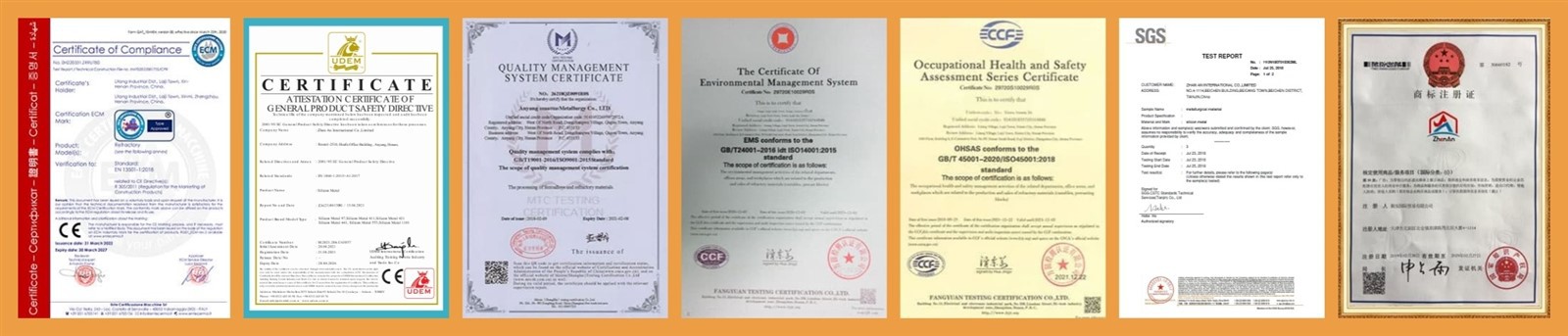
A:Yes. COA can be provided for each batch. Third-party inspection such as SGS or CCIC can also be arranged upon request before shipment.


Hot Tags: ferro vanadium 50/80 lumps | precise grain refiner for hsla & tool steel, China ferro vanadium 50/80 lumps | precise grain refiner for hsla & tool steel manufacturers, suppliers, factory, Ferro Vanadium 50, ferro alloy for blasting industry, 10 50mm Ferro Vanadium, ferro alloy products, 50 Ferro Vanadium 10 50mm, ferro alloy for chemical industry
You Might Also Like


Send Inquiry