



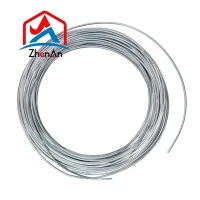



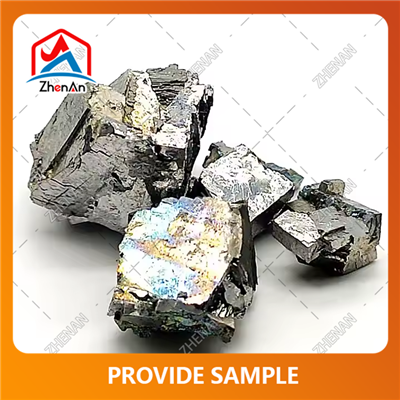
Durable Ferro Vanadium 60 For Alloy Production
Products Parameters
|
trademark |
Chemical composition |
||||||
|
V |
C |
Yes |
P |
S |
To |
Mn |
|
|
Not less than |
Not greater |
||||||
|
FeV40-A |
40.0 |
0.75 |
2.0 |
0.10 |
0.06 |
1.0 |
0.50 |
|
FeV40-B |
40.0 |
1.00 |
3.0 |
0.20 |
0.10 |
1.5 |
0.50 |
|
FeV50-A |
50.0 |
0.40 |
2.0 |
0.07 |
0.04 |
0.5 |
0.50 |
|
FeV50-B |
50.0 |
0.75 |
2.5 |
0.10 |
0.05 |
0.8 |
0.50 |
|
FeV75-A |
75.0 |
0.20 |
1.0 |
0.05 |
0.04 |
2.0 |
0.50 |
|
FeV75-B |
75.0 |
0.30 |
2.0 |
0.10 |
0.05 |
3.0 |
0.50 |

Products Description
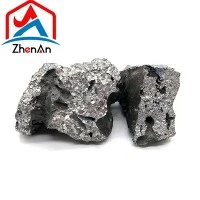
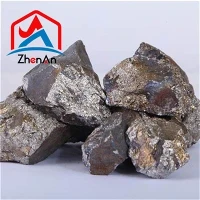
Ferrovanadium 60 is an important metallurgical product widely used in the steel industry. As an alloy of vanadium and iron, its main components are 60% vanadium and about 40% iron, and the rest is a small amount of impurities. This alloy has become an indispensable additive in steel smelting due to its excellent performance, which can significantly improve the strength, toughness and wear resistance of steel. In modern industry, the application scope of Ferrovanadium 60 covers many fields such as construction, machinery manufacturing, and automobile industry. Its importance is self-evident.

The production process of ferrovanadium 60 is relatively complicated, and it is usually smelted by electrosilicothermic method or aluminothermic method. The electrosilicothermic method uses vanadium oxide as raw material and obtains ferrovanadium alloy through reduction reaction; the aluminothermic method uses aluminum as a reducing agent to react with vanadium oxide at high temperature to produce ferrovanadium. Both methods have their own advantages and disadvantages. The electrosilicothermic method has higher energy consumption but better product purity, while the aluminothermic method has lower cost but strict requirements on raw materials. Regardless of the process used, the temperature, reducing agent ratio and reaction time need to be strictly controlled during the production process to ensure the stability of the composition and performance of the final product.

In steel smelting, the main role of ferrovanadium 60 is to be added to molten steel as a microalloying element. Vanadium forms fine carbonitrides with carbon, nitrogen and other elements in steel. These compounds can effectively prevent grain growth and refine the organizational structure of the steel. This microalloying effect allows the steel to maintain good plasticity and toughness while greatly improving its strength and fatigue resistance. For example, adding ferrovanadium 60 to high-strength rebar for construction can ensure structural safety while reducing the amount of steel used, thereby reducing engineering costs. In addition, vanadium can also improve the welding performance and corrosion resistance of steel, allowing it to maintain stable performance in harsh environments.

From a market perspective, the demand for FeV60 is closely related to the development of the steel industry. In recent years, with the continuous development of infrastructure construction and manufacturing, the global demand for high-strength steel has grown steadily, which has directly driven the market demand for FeV60. As the world's largest steel producer, China is also a major producer and consumer of FeV60. Domestic vanadium resources are relatively abundant and production technology is relatively mature, which provides a guarantee for the stable supply of FeV60. However, factors such as market fluctuations and increased environmental protection requirements have also brought new challenges to the industry.
Hot Tags: durable ferro vanadium 60 for alloy production, China durable ferro vanadium 60 for alloy production manufacturers, suppliers, factory, ferro alloy for paper industry, ferro alloy for excavation industry, ferro alloy for national hemp industry, 50 Block Ferro Vanadium, ferro alloy for textile industry, high quality ferro alloy
You Might Also Like


Send Inquiry