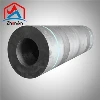

Here are some key factors that necessitate the replacement of graphite electrodes:
- Wear and Erosion: Over time, graphite electrodes can experience wear due to prolonged exposure to high temperatures, electrical stress, and chemical reactions in the furnace environment. This wear can lead to reduced performance and efficiency, necessitating replacement.
- Cracking and Damage: Graphite is a brittle material and can crack or break under mechanical stress or thermal shock. Damage may occur due to improper handling, loading issues, or sudden temperature changes, requiring replacement.
- Oxidation: At elevated temperatures, graphite electrodes can oxidize when exposed to oxygen. This oxidation can weaken the electrode structure and reduce its effectiveness, leading to the need for replacement to maintain operational efficiency.
- Electrode Consumption: In processes like steelmaking in electric arc furnaces, electrodes are consumed over time due to the melting process. The tips of the electrodes are eroded as they melt the scrap metal or other materials, requiring regular replacement to ensure effective operation.
- Loss of Conductivity: As electrodes wear down or become damaged, their electrical conductivity may decline, impacting their efficiency in conducting electricity. This can hinder the melting and refining processes, resulting in a need for new electrodes.
- Changes in Operational Parameters: If there are changes in operational practices, such as the type of material being processed or shifts in temperature or load requirements, existing electrodes may not perform adequately, leading to replacements.
- Quality Control: Maintaining the quality of the final product is critical in most industrial processes. If electrodes degrade or fail to perform as expected, manufacturers may replace them to ensure consistent quality.
- Scheduled Maintenance: In many industries, regular maintenance schedules may dictate the replacement of electrodes to prevent unexpected failures and ensure continuous operation.
- Improved Materials or Designs: Advances in technology or the availability of new electrode materials and designs can lead to the replacement of older electrodes. Improved options may offer better performance, longer life, or greater efficiency.
- Environmental and Regulatory Compliance: Changes in regulations or environmental considerations may encourage or require the use of replacement electrodes that align with sustainability practices or compliance standards.