
The Five Most Common Quality Issues
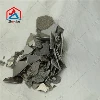
Buyer reports on electrolytic manganese (EMM) flakes fall into five categories: chemical out-of-spec (purity or impurities), excess fines and dust, oxidation or moisture impact, contamination, and lot inconsistency. Each category has identifiable causes and practical prevention measures that can be written into the purchase order.
Chemical Issues: Purity and Impurities
The most frequent chemical findings are manganese purity below target, for example below 99.70% when that level is required, iron content too high, carbon, sulfur or phosphorus above limits, and missing or unreported trace elements when end users require controls. These issues usually occur when impurity maxima are not clearly defined in the purchase order or when sampling and testing rules differ between seller and buyer. The prevention is to state the manganese minimum and every impurity maximum explicitly, and to agree on the sampling method before shipment.
Excess Fines and Dusting
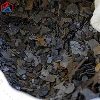
Excess fines often come from brittle flakes, rough handling or weak packaging. Fines cause higher oxidation loss because of the larger surface area, dusting and handling loss during unloading, and less stable feeding and dosing behaviour. To prevent this, buyers should define a maximum fines level, for example a percentage below a stated size, and require moisture-protected packaging with an inner liner.
Oxidation, Moisture and Contamination
Moisture exposure can lead to surface oxidation and discoloration, increased brittleness and fines generation, and lower stability during storage. Common causes include damaged liners, poor container conditions and warehouse humidity. Contamination appears as foreign materials such as bag fibres, wood fragments, dust or rust, mixed forms of flakes with powder beyond the agreed allowance, and cross-contamination from storage near other materials. Prevention is a combination of clean packaging, clear lot marking, dry storage and inspection before shipment.
Lot Inconsistency and Receiving Inspection
Lot inconsistency shows up as different appearance or flake size between bags, different impurity levels between samples, or unstable performance in the buyer's process across one shipment. It often happens when lots are mixed, when screening or handling is inconsistent, or when the sampling method is not representative. A practical receiving inspection includes a visual check of packaging integrity and contamination signs, a weight check of bag net weight against the packing list, a size check of the fines ratio, and sampling for laboratory testing using a consistent method such as random bags and composite samples.
Writing a Buyer-Safe Purchase Order
Most disputes can be avoided by writing a clear purchase order: manganese minimum such as 99.70% or 99.90%, impurity maxima for iron, carbon, sulfur and phosphorus plus any trace elements you need, physical requirements such as flakes only and a defined size or thickness target, a maximum fines definition, packaging with inner liner and clear lot numbers, and inspection terms including a COA per lot, the sampling method and a dispute rule such as re-testing or a referee laboratory.
FAQ
Q: What is the most preventable problem in EMM flakes?
A: Not defining maximum fines and packaging requirements, which often leads to dust loss and oxidation during shipping.
Q: If my lab result differs from the supplier COA, what should I do?
A: Follow the pre-agreed sampling and dispute process, such as re-sampling or a referee laboratory, defined in the purchase order before ordering.
Q: How do I reduce the risk of lot inconsistency?
A: Require clear lot marking, a COA per lot and consistent sampling rules, and avoid mixing lots unless agreed.
Q: Why do excess fines increase oxidation loss?
A: Fines have a larger surface area per unit mass, which accelerates oxidation and dusting during handling and storage.
Q: What storage conditions protect EMM flakes?
A> Dry, ventilated storage with an intact inner liner, palletized handling and fast transfer into a dry warehouse after arrival.