
Q1: What does "EMM flakes price" usually refer to?
A: In most trade discussions, EMM flakes price refers to a USD/ton range under a specific term such as EXW, FOB, CFR, or CIF. Two quotes can look different simply because the trade term includes different cost components (for example, ocean freight is not included in FOB but is included in CFR/CIF).
Q2: How does purity (99.7% vs 99.9%) affect price?
A: Higher purity typically costs more because it often comes with tighter impurity control and stricter quality management. Even if the Mn difference seems small, the premium is usually linked to lower and more consistent impurities (such as Fe, C, S, P, and optional trace elements) that reduce downstream risk.
Q3: Which cost items have the biggest impact on EMM flakes pricing?
A: EMM production is cost-sensitive, so major inputs can move prices:
- Electricity and energy cost (energy-intensive process)
- Raw materials and processing chemicals (affect operating cost and yield)
- Plant operating rate (higher utilization can stabilize supply; curtailments can tighten supply)
- Labor and compliance costs (maintenance, environmental control, and operating stability)
Q4: How do supply and demand change market price?
A: When supply is tight (maintenance, output cuts, logistics disruption), sellers tend to keep offers firm. When supply is ample and buyers slow down purchasing, prices often soften or stay range-bound. Demand is influenced by downstream sectors that consume manganese metal through alloying or related industrial routes.
Q5: Why do two suppliers quote different prices for "the same" EMM flakes grade?
A: Differences often come from commercial details, not just chemistry:
- Different impurity maxima and lot consistency
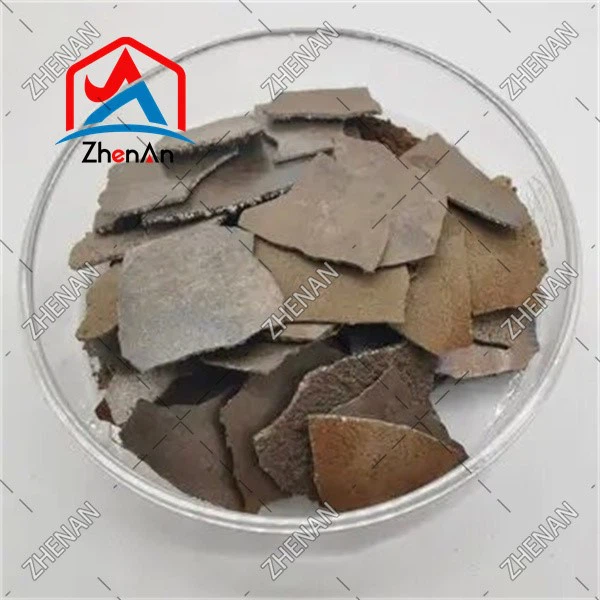
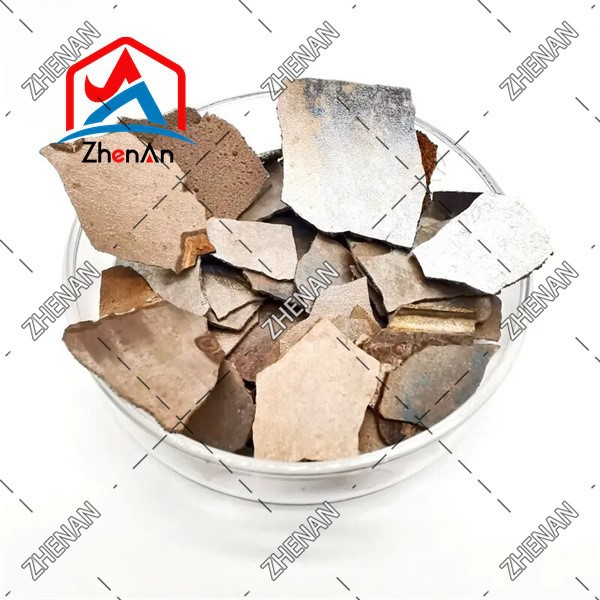
- Different flake size/thickness and fines ratio (screened flakes may cost more)
- Different packaging (inner liner, palletizing, labeling)
- Different inspection terms (third-party inspection, stricter sampling rules)
- Order size and frequency (spot vs contract volume)
Q6: How do packaging and logistics affect the price?
A: Packaging and logistics can change the delivered cost significantly:
- Moisture-protected packaging and palletizing add cost but reduce oxidation/fines risk
- Container availability, port congestion, and freight rates affect CFR/CIF levels
-
Destination requirements (labels, pallet rules, documents) may add handling cost
For fair comparison, always match quotes on the same packing and the same trade term.
Q7: What is the best way to compare EMM flakes quotes fairly?
A: Use a "like-for-like" checklist:
- Same purity and impurity maxima
- Same form (flakes only) and similar size/fines control
- Same packaging (big bags vs 25 kg bags, liner, pallets)
- Same inspection terms (COA, sampling method, any third-party test)
- Same trade term (FOB/CFR/CIF) and destination port
- Same shipment window and lead time
Q8: What practical buying strategy works in a volatile market?
A: Many buyers reduce risk by:
- Using staged purchasing instead of one large spot order
- Locking specs and inspection terms early for repeat orders
- Monitoring both upstream cost signals (energy) and logistics changes
- Keeping a supplier shortlist to balance price and reliability
FAQ
Q1: Does lower price always mean better deal?
A: Not necessarily. Lower price may come with higher impurities, more fines, weaker packaging, or less consistent lots-raising your true landed cost and quality risk.
Q2: Why do prices differ between FOB and CIF?
A: CIF includes ocean freight and insurance, while FOB does not. Freight volatility can create large gaps even if the factory price is similar.
Q3: What should I ask when a price moves suddenly?
A: Ask whether the change is driven by purity/impurity requirements, supply availability, energy cost, packaging, or a change in freight and delivery term.
Why Choose Us
- Stable supply with consistent impurity management for EMM flakes
- Flexible specifications: purity, impurity limits, and size/fines control
- Moisture-protected packaging options to reduce oxidation and loss
- COA per lot with clear sampling/inspection terms
- Export-experienced execution with reliable delivery coordination
About Our Company
We are a factory-direct supplier with stable monthly capacity and an approximately 30,000 m² production footprint. We export to 100+ countries and regions and serve 5,000+ customers worldwide. Our market-savvy sales team supplies ferrosilicon, silicon metal, and other metallurgical products with consistent quality and reliable delivery.