
1.Introduction: The Strategic Role of SiC in Modern Metallurgy
The main difference between Silicon Carbide 88 and 90 is the purity level. SiC 90 offers ≥90% purity for precision casting with fewer impurities, while SiC 88 provides ≥88% purity, making it a highly cost-effective deoxidizer for large-scale steel plants using electric arc furnaces.
In the competitive landscape of 2026 steelmaking, Silicon Carbide (SiC) has evolved from a simple refractory material into a critical metallurgical tool. For procurement managers and foundry engineers at ZhenAn, the choice often boils down to two industry workhorses: Silicon Carbide 88 and Silicon Carbide 90. While they may seem similar on a spec sheet, their impact on furnace thermodynamics, slag chemistry, and overall cost-per-ton can vary significantly.
2.Technical Comparison: Chemical Composition and Physical Properties
The fundamental difference lies in the "purity-to-impurity" ratio. Grade 90 is often considered "Chemical Grade" or high-end metallurgical grade, while Grade 88 is the "Efficiency Grade."
Table 1: Standard Specifications Comparison (ZhenAn Internal Standards)
| Element | Grade 90 | Grade 88 | Significance |
| SiC Content | ≥ 90.0% | ≥ 88.0% | Active ingredient for deoxidation |
| Free Carbon (F.C.) | ≤ 4.0% | ≤ 5.5% | Secondary recarburization source |
| Fe2O3 | ≤ 1.5% | ≤ 2.0% | Minimizes unwanted metallic oxides |
| Al2O3 | ≤ 1.5% | ≤ 2.5% | Impacts slag fluidity |
| Moisture (H2O) | ≤ 0.5% | ≤ 1.0% | Prevents hydrogen pickup/safety |

3.Performance Analysis: SiC 90 – The Precision Choice
Silicon Carbide 90 is engineered for operations where chemistry control is non-negotiable. Its higher SiC content translates to more aggressive deoxidation and a more predictable recovery rate of Silicon (typically 85-90%) and Carbon (typically 90%+).
- Precision Casting: Ideal for high-alloy steel and ductile iron where Al2O3 and Fe2O3 levels must be minimized to prevent casting defects.
- Cleaner Slag: The lower impurity levels result in less slag volume, leading to easier slag removal and less refractory wear on the furnace lining.
4. Performance Analysis: SiC 88 – The Cost-Efficiency King
For large-scale steel plants operating electric arc furnaces (EAF) or converters, Silicon Carbide 88 is often the strategic favorite. It offers roughly 98% of the functional benefit of the 90 grade but at a significantly reduced procurement price.
- Mass Production Efficiency: In bulk steelmaking, the slight increase in impurities is negligible compared to the massive savings in "Cost Per Heat."
- Exothermic Power: Grade 88 still provides a powerful exothermic reaction, helping to maintain melt temperature and reduce electricity costs during the refining stage.
5. Decision Matrix: When to Choose Which?
To help our global clients at ZhenAn make the best decision, we utilize the following matrix:
Table 2: Application Decision Matrix
| Your Priority | Recommended Grade | Why? |
| Lowest Cost per Ton | SiC 88 | Maximum deoxidation at a budget-friendly price point. |
| Strict Chemistry Specs | SiC 90 | Minimal trace elements (Al/Fe) for premium steel grades. |
| EAF/Induction Furnace | SiC 88/90 (Briquettes) | Easy charging and low dust emission. |
| High Ductility Iron | SiC 90 | Low impurity interference with nodularization. |
6. The ZhenAn Quality Advantage
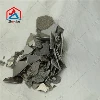
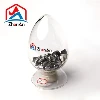
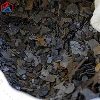
Whether you choose 88 or 90, the source matters. At ZhenAn, we don't just supply raw materials; we supply consistency. Our SiC is available in various forms-Lumps, Grains (0-10mm), and Briquettes (50mm)-to match your automatic charging systems.
Are you currently using Ferrosilicon? Switch to ZhenAn SiC 88 today and reduce your silicon-source costs by up to 15% while simultaneously achieving recarburization. Click "Send Inquiry" to receive our 2026 Cost-Saving Calculation Sheet.
E-mail:sale@zanewmetal.com
7. FAQ: Addressing Your Core Concerns
Q1: How does SiC 88 affect slag fluidity compared to SiC 90?
A1: SiC 88 has slightly higher Al2O3 (≤2.5%). In some furnace types, this can actually help create a more "foamy slag" which is beneficial for EAF energy efficiency. However, for specialized casting, SiC 90 is safer to prevent alumina inclusions.
Q2: What is the shelf life of your SiC Briquettes?
A2: Thanks to our high-pressure bonding process, ZhenAn SiC briquettes are highly resistant to moisture. When stored in a dry warehouse, they maintain structural integrity for over 12 months.