
Step 1: Choose the Right Grade
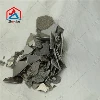
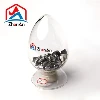
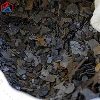
Using silicon metal powder effectively requires more than simply adding it into a process. Start by identifying the chemical specifications you need. For cost-sensitive aluminium or metallurgical applications, silicon metal powder 553 may be sufficient. For higher-purity requirements, such as chemicals or specialty products, a grade with silicon content of at least 99% is usually recommended. Discuss with your supplier which grade best matches your process and target product.
Step 2: Select the Proper Mesh Size
The particle size distribution influences reaction speed, because finer powder reacts faster; flowability, because coarser powder may flow better in some feeding systems; and mixing behaviour, which affects homogeneity in blends with other materials. Common ranges such as 16-200 mesh offer a good balance for many processes, and custom particle size distributions can be developed for special needs.
Step 3: Plan the Feeding and Mixing System
Silicon metal powder should be fed and mixed in a controlled way. Use suitable dosing and weighing equipment for accurate addition, ensure stable feeding into furnaces, mixers or reactors, and combine it with other materials in a sequence that avoids segregation. Proper handling improves process stability and product consistency. If you are replacing lump silicon with powder, adjust the feeding and dosing because powder reacts faster and has a different bulk density; process testing is recommended.
Step 4: Store and Handle Safely
To use silicon metal powder safely, store it in dry, ventilated areas away from moisture, keep bags properly sealed to avoid contamination and dust formation, and use appropriate personal protective equipment when handling. Minimise dust by using dust collection systems during loading and unloading, closed or semi-closed conveying systems, and proper bag-opening tools. Good housekeeping significantly reduces dust exposure.
Step 5: Monitor Quality and Performance
Once the powder is in use, regularly check the chemical composition and mesh size of incoming batches, and monitor process performance such as reaction efficiency, alloy composition or product quality. Many users test each lot for key parameters including silicon content, impurities and particle size distribution, especially when starting with a new supplier or product. Work with your supplier to adjust the grade or mesh size if needed; long-term cooperation with a reliable supplier simplifies this process.
FAQ
Q: Can I replace lump silicon with silicon metal powder directly?
A: In many cases yes, but you need to adjust feeding and dosing because powder reacts faster and has a different bulk density; process testing is recommended.
Q: How do I avoid dust problems when using silicon metal powder?
A: Use closed or semi-closed conveying systems, dust collectors, proper bag-opening tools and personal protection, and maintain good housekeeping.
Q: Does the same powder work for furnace and mixer applications?
A: Sometimes, but not always. Furnace injection may require a different mesh size or flow characteristics than dry mixing processes.
Q: How often should I test the powder quality?
A: Many users test each lot for silicon content, impurities and particle size distribution, especially with a new supplier or product.
Q: Which grade should I choose?
A: Grade 553 suits cost-sensitive aluminium or metallurgical use, while a grade with at least 99% silicon is recommended for higher-purity chemical or specialty products.