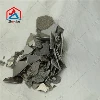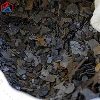

When calcium carbide (CaC₂) interacts with water (H₂O), a chemical reaction takes place that yields acetylene gas (C₂H₂) and calcium hydroxide (Ca(OH)₂).
Reaction Equation:
CaC₂ + 2H₂O → C₂H₂ + Ca(OH)₂
What Occurs During This Reaction?
- Acetylene gas production: A flammable gas is generated, which is utilized in welding, lighting, and chemical manufacturing. When ignited, acetylene produces a bright flame with high temperatures.
- Formation of calcium hydroxide (hydrated lime): This is a highly alkaline substance that can cause skin irritation and burns upon contact. After the reaction, a white, powdery or gel-like residue is left behind.
- Heat generation (exothermic reaction): The reaction releases heat, which can make the process hazardous if not properly managed.
Practical Applications of This Reaction:
- Production of acetylene for welding and chemical synthesis.
- Carbide lamps, which were historically used in mining and caving.
- Fruit ripening, although this method is considered unsafe due to potential impurities.