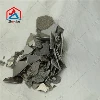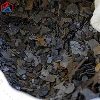

Titanium is a very active metal element that can interact with elements during heating to form an oxide film on the surface. At different heating temperatures, the structure and properties of the oxide film are different. The heating and forming of titanium plates is complex, and the mechanical properties of each batch are different. In order to ensure the quality of the materials, manufacturers have certificates and test reports.

The production of titanium plates requires the supply status of raw materials: the product is deformed once - rolled into plates in a metallurgical factory, and the repeatability of performance is poor. In order to ensure the quality of accessories, the quality of raw materials should first be ensured. Titanium and titanium alloy sheets received from the warehouse should have the manufacturer's ex-factory certificate and the factory's re-inspection certificate.

In order to facilitate future verification, the certificate of conformity should be saved. When necessary, the workshop can record the basic status of the manufacturing accessories of each sheet for reference.

Titanium plates are required to be supplied in an annealed state. In order to ensure the quality of accessories, the oxide layer and other contamination on their surfaces should be cleaned. The surface must not have defects such as cracks, peeling, folds, inclusions, or traces of pickling. The sheets should be straight and wrapped in paper before leaving the warehouse. During the subsequent cutting, forming, assembly, transportation and storage processes, care should be taken to avoid surface scratches.