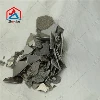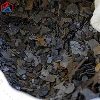

The components are first crushed and then roasted. After that, they are melted using the electric arc method.
The finished solution is solid at the mining site and is then crushed and sorted.
The minimum temperature needed for the process to form calcium carbide is 1619°C. The production process is usually carried out at a temperature of 1900-1950°C. If the temperature is increased any further, the calcium carbide will break down into metal and carbon.
You can recreate the process using a small electric arc furnace and a power supply.
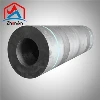
The apparatus consists of a graphite crucible or carbon electrode, which is modified by creating a depression before adding quicklime and coke, which are measured in equal proportions based on their weight. Coal is known to conduct electricity well in this mixture, so the process lasts about half an hour until the arc burns out. After that, the mixture is allowed to cool, which results in the formation of an alloy. If the experiment is successful, this alloy should contain small pieces of carbide. To check this, the resulting mass is placed in water, and the resulting gas bubbles are collected in an inverted test tube filled with water.
There are a number of things that can affect how quickly the mixture forms and what the final product will be like, including size, density, and the presence of impurities in the raw materials. It is also necessary to take into account the physical and technical parameters of the furnace and compliance with the stages of the technological process. Even though production processes have become more modern, making calcium carbide still requires a lot of work and money.