


Introduction
Ferrosilicon (FeSi) is one of the most widely used alloying materials in steelmaking and casting, but many buyers-especially new ones-are often unsure about the meaning of FeSi grades such as 75, 72, 65, and others. These numbers may look simple, but they represent real differences in performance, impurities, and application suitability.
Below are several practical questions that overseas buyers commonly ask when trying to understand how ferrosilicon grades are classified and how each one is used in industry.
Industry Q&A: What Are the Grades of Ferrosilicon?
Q1: What do the numbers in FeSi grades actually mean?
The grade number represents the minimum silicon content in the alloy.
For example:
FeSi75 → about 75% silicon
FeSi72 → about 72% silicon
FeSi65 → about 65% silicon
Higher silicon content usually results in stronger deoxidizing ability and more stable alloying performance. These grades exist because different steel products require different silicon levels and cost structures.
Q2: Which FeSi grades are most commonly used in steelmaking?
The most widely used grades are:
FeSi75 – high performance, preferred for higher-quality steels
FeSi72 – economical and suitable for general steelmaking
FeSi65 – cost-effective option for basic steel and foundry applications
Among these, FeSi75 is the most popular internationally because of its consistent silicon recovery and lower impurity range. FeSi72 follows closely because it offers similar performance at a lower cost, making it attractive for mills producing standard carbon steel.
Q3: Are there other FeSi grades besides 75, 72, and 65?
Yes. Some regions use additional classifications such as:
FeSi90 (high-silicon alloy, less common)
FeSi45 (low-silicon alloy for specific uses)
FeSiMg (magnesium-containing ferrosilicon for nodular cast iron)
Atomized FeSi or Milled FeSi (classified by particle shape rather than silicon content)
While FeSi75 and FeSi72 dominate global trade, these specialty grades serve niche applications such as casting, magnesium treatment, and powder metallurgy.
Q4: How do different FeSi grades influence steel quality?
The grade selected affects several aspects of steelmaking:
Deoxidation efficiency – higher grades remove oxygen more effectively
Silicon recovery – higher grades yield more stable results
Impurity control – higher grades typically have lower and more consistent impurities
Alloy performance – FeSi75 supports better grain structure in high-grade steel
Lower grades can still be used effectively, but they may require larger addition volumes or produce more metallurgical variability.
Choosing the right grade depends on the steel type, furnace method, and target cost.
Q5: How should buyers choose the most suitable FeSi grade?
Buyers often base their choice on three factors:
Steel grade requirements
High-strength or clean-steel production typically requires FeSi75.
Cost considerations
FeSi72 and FeSi65 help reduce cost without major performance loss for general steel.
Impurity sensitivity
If phosphorus, sulfur, or aluminum levels must be controlled strictly, FeSi75 is safer.
Many factories actually mix grades-using FeSi75 for higher-end products and FeSi72 for ordinary steel-to balance performance and cost.
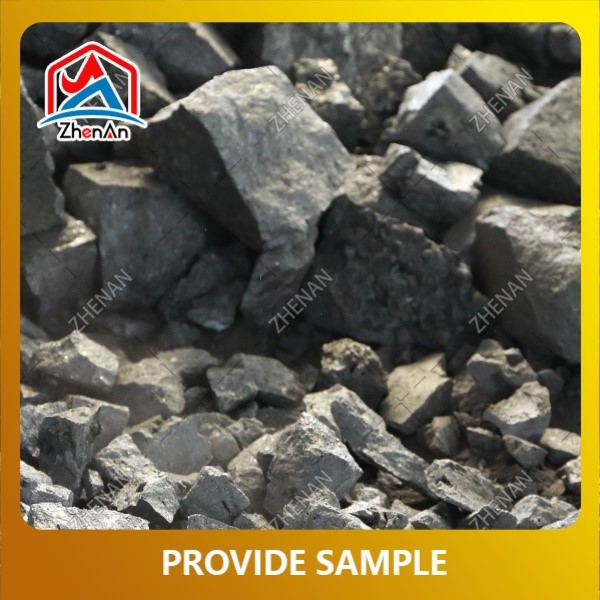

About Our Products
We supply a full range of ferrosilicon grades, including FeSi75, FeSi72, and FeSi65, in various particle sizes suitable for different furnace types. Many customers compare grades based on their production needs, and we can help provide updated FOB prices, COAs, and recommended size selections. If you're exploring which FeSi grade fits your process best, feel free to contact us-we're always ready to support your sourcing plan.


