
Introduction
Using FeSi 75% in electrical steel is not just a "add it and done" step. Electrical steel is sensitive: small changes in chemistry, inclusions, and process timing can show up later as magnetic loss or unstable performance. That's why many producers treat FeSi75 as a controlled input rather than a simple commodity. Below are practical Q&As buyers and plant teams often discuss when they want to use FeSi75 properly in electrical steel production.
Industry Q&A
Q1: Why is FeSi75 commonly used for electrical steel instead of lower grades?
Electrical steel needs stable silicon control and cleaner metallurgy. FeSi75 offers a higher silicon concentration, so the plant can hit target Si levels with smaller additions and usually with more predictable recovery.
Also, FeSi75 is often selected because impurity control (especially P, S, and sometimes Al) can be managed more strictly in many supply contracts. For electrical steel, that stability is often more valuable than saving a small amount on alloy cost.
Q2: When in the process is FeSi75 typically added for electrical steel?
This depends on the plant route (EAF/BOF + refining), but in many operations FeSi75 is added in one of these ways:
During tapping: used to adjust chemistry as molten steel moves to the ladle.
In the ladle (secondary refining stage): used for more precise control, especially when the plant wants tighter final Si accuracy.
Split addition: part at tapping, part later in ladle refining-this is common when the plant wants smoother recovery and less risk of overshooting.
In electrical steel, the "split" approach is often preferred because it reduces sudden chemistry jumps and allows correction later.
Q3: What particle size of FeSi75 works best for electrical steel applications?
Electrical steel producers often lean toward smaller or medium sizes because they want controlled, fast dissolution during refining:
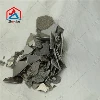
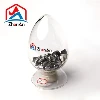
1–5 mm and 3–8 mm are common choices for ladle/refining additions.
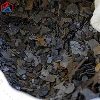
10–50 mm can also be used, especially when the addition happens earlier (e.g., tapping) and the furnace conditions support stable melting.
Fine sizes give quick reaction, but they can also increase dust loss if handling isn't careful. That's why plants usually match size to the feeding method and prefer consistent size distribution, not a "mixed bag."
Q4: How can plants avoid quality problems when adding FeSi75 (like inclusions or unstable recovery)?
Electrical steel is picky, so a few habits matter:
Keep impurities stable: P and S are usually watched closely; Al can matter too depending on the steel route.
Avoid moisture and contamination: wet or dirty material can create extra reaction issues and sometimes increase inclusion risk.
Add in a controlled way: dumping too fast can cause sharp composition changes and uneven distribution.
Monitor recovery patterns: plants usually learn their typical silicon recovery rate and adjust addition practice based on real results.
In simple terms, good results come from consistent material + consistent feeding.
Q5: What should buyers ask their FeSi75 supplier for when the end use is electrical steel?
If you buy FeSi75 for electrical steel, you don't want a generic offer. It helps to request:
Recent COA samples showing Si plus Al, C, P, S
Confirmation of stable impurity ranges (not just "meets standard")
A suitable particle size recommendation based on your addition method
Packing that protects from moisture (especially for smaller sizes)
If a supplier can provide consistent COAs across batches, it often signals better process control and more predictable performance.


About Our Products
We supply FeSi75 in different sizes such as 1–5 mm, 3–8 mm, and 10–50 mm, and we can support customers who use it in more sensitive applications like electrical steel. If you tell us your target silicon range, furnace route, and preferred size, we can share recent COAs, suggest a good size option, and provide updated FOB pricing and packing choices that fit export handling.