
Ferrosilicon is a core ferroalloy used in steelmaking and foundry operations. For most export buyers, FeSi 72 and FeSi 75 are the two most frequently purchased grades because they provide reliable silicon addition for deoxidation and alloying. If you are sourcing these grades, knowing the physical and chemical properties is not "academic"-it directly affects storage safety, dosing efficiency, melting behavior, and loss control.
This guide focuses on FeSi 72/75, summarizing the most useful properties for purchasing and plant use, along with practical safety and handling recommendations.
1) What Is Ferrosilicon (FeSi 72/75)?
Ferrosilicon is an alloy mainly composed of silicon (Si) and iron (Fe). "72" and "75" generally refer to the silicon content level sold under a contract range. In steelmaking, FeSi is used primarily as a deoxidizer and alloying additive; in foundry use, it helps support stable silicon addition and process control.
From a buyer's perspective, FeSi 75 usually carries a premium over FeSi 72 due to higher silicon content and production cost structure, but both grades are widely used depending on technical needs and cost-performance targets.
2) Chemical Composition: What Buyers Should Confirm
Even for the same grade label, real performance depends on impurity control and batch consistency. Buyers typically confirm (via COA per lot):
Silicon (Si): grade range by contract
Carbon (C): controlled
Phosphorus (P): controlled
Sulfur (S): controlled
Aluminum (Al): standard or low-Al options depending on buyer needs
Practical note: Many "quality disputes" happen not because Si is wrong, but because impurities or aluminum levels are not aligned with the buyer's process requirements. Always specify what you need in writing.
3) Physical Properties: Practical Reference for FeSi 72/75
Below is a plant- and procurement-friendly view of the properties most relevant to FeSi 72/75.
| Property | FeSi 72/75 Practical Notes |
|---|---|
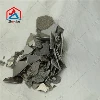
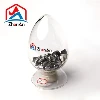
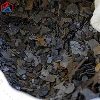
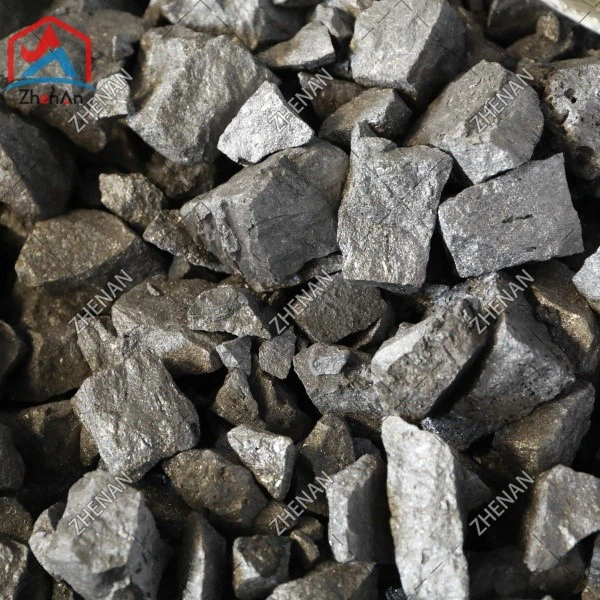
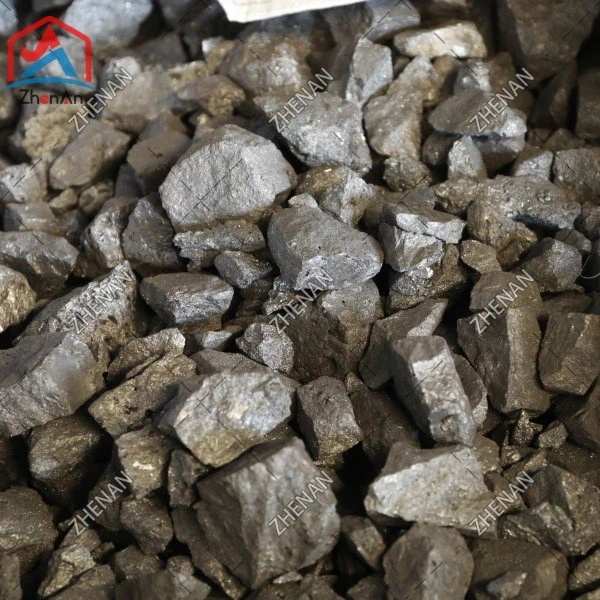
| Appearance | Metallic gray/silver, brittle solid |
| Form | Commonly supplied as lumps, granules, or fines |
| Density (typical reference) | Around ~3.0 g/cm³ for FeSi 75 class material (varies by grade/structure) |
| Melting behavior | High-temperature alloy; dissolves into molten metal under suitable conditions |
| Dust behavior (fines) | Fine particles can create dust; dust control matters for safety and yield |
| Moisture sensitivity | Keep dry; moisture can increase handling risk and reduce stability during dosing |
Instead of treating these as "lab data," use them to guide how you store, handle, and feed the material to minimize loss and risk.
4) Chemical Behavior: Reactivity and What It Means Operationally
Ferrosilicon is generally stable in normal storage conditions, but it can present risks under specific situations:
Oxidation and surface reactions: Exposure to moisture and oxygen over time can affect surface condition.
Dust reactivity: Fine ferrosilicon dust can be more reactive than lumps and may present combustion risk in poor storage conditions.
Contact with moisture: Moist conditions increase handling concerns; always keep cargo sealed and stored in a dry environment.
For most buyers, the key takeaway is simple: FeSi is safest and most stable when kept dry, clean, and properly packaged.


5) Safety, Storage, and Handling (FeSi 72/75)
This is where buyers can reduce the most risk-especially in sea shipments.
Storage recommendations
Store in a dry, ventilated warehouse
Avoid exposure to rain, seawater spray, and wet floors
Keep packaging sealed; do not mix with reactive chemicals
Handling recommendations
Control dust during unloading and feeding
Use appropriate PPE in dusty environments
Prefer consistent lump sizes when your plant uses bulk addition, to reduce dust loss
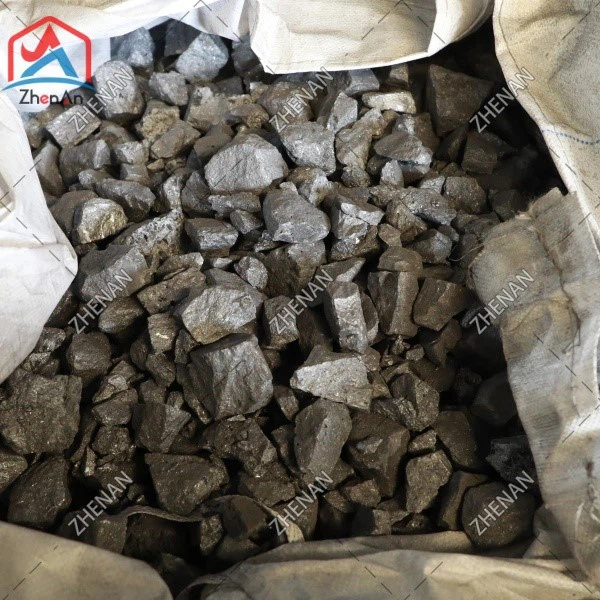
Export execution tip: Packaging quality (liners, sealing, palletization) is not just "nice to have"-it protects against moisture pickup and contamination during long-distance transport.
6) Typical Applications of FeSi 72 vs FeSi 75
Steelmaking
Used as a deoxidizer to reduce oxygen in molten steel
Supports controlled silicon addition for alloy targets
Foundry
Helps support stable silicon content adjustment
Often selected based on process requirements and feeding practice
How buyers choose 72 vs 75
Choose FeSi 72 when cost-performance and routine deoxidation needs are prioritized.
Choose FeSi 75 when higher silicon addition efficiency or tighter process preference supports the premium.
7) Buyer Checklist: What to Verify Before Ordering
To avoid miscommunication and claims, buyers usually confirm:
COA per batch (Si + impurity limits C/P/S/Al as required)
Particle size range (e.g., 10–50 mm, 50–100 mm, or buyer-specified)
Packaging (1 MT big bags / 25 kg bags; liners; moisture protection)
Inspection and documentation (photos, packing list, invoice, B/L, origin docs)
Delivery terms (FOB Tianjin, CIF destination, shipment window)
Repeat shipment consistency (especially for long-term supply programs)
FAQ (FeSi 72/75 Physical & Chemical Properties)
1) What is ferrosilicon used for in steelmaking?
Ferrosilicon is mainly used for deoxidation and controlled silicon addition, improving stability and helping meet alloy targets.
2) What is the difference between FeSi 72 and FeSi 75?
The main difference is silicon level. FeSi 75 usually trades at a premium and is chosen when higher silicon contribution or tighter preference is required.
3) Is ferrosilicon flammable?
Bulk lumps are generally stable, but fine dust can present combustion risk. Dust control and dry storage are important.
4) Does particle size affect ferrosilicon performance?
Yes. Size impacts dosing control, dust loss, melting behavior, and recovery. Choose sizes that match your feeding method.
5) How should ferrosilicon be stored?
Store it dry, sealed, and ventilated. Avoid moisture exposure, wet floors, and contamination during storage and handling.
6) What should I check on the COA for FeSi 72/75?
Confirm Si range and impurity limits (commonly C, P, S, and sometimes Al) as required by your process and contract terms.
Company Background
ZHEN AN INTERNATIONAL CO., LIMITED is located in Anyang City, Henan Province, China, supplying ferrosilicon 72 and 75, along with silicon metal, calcium silicon products, and electrolytic manganese flakes, to industrial customers worldwide. With extensive export experience, Zhen An focuses on consistent quality control, export-ready packaging, and reliable shipment coordination for overseas markets.