

Written by the ZhenAn Team, with practical experience in ferroalloy supply, steelmaking applications, and export service
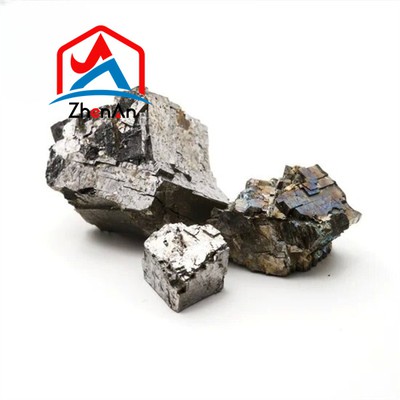
Ferro Vanadium 60 is a vanadium-iron alloy, usually supplied at V 58–65%, used in steelmaking to add vanadium in a concentrated, workable form; in practical mill work, it matters because a small addition can change strength, grain size, wear behavior, and heat performance far more than many buyers expect.
That is exactly why it stays on purchasing lists year after year. I have seen plenty of customers focus only on the vanadium percentage and ignore how it behaves in steel. That is where people waste money. A 60% grade works because it sits in the sweet spot: high enough in vanadium to be efficient, but still easy to use in routine alloying without the cost jump of higher-grade material. Speaking plainly, 60% is one of the hottest-selling ferro vanadium grades for a reason.
Request a Quote for Ferro Vanadium 60
Where Ferro Vanadium 60 Is Used in Steel
- In tool steel, vanadium helps form hard vanadium carbides, which improves wear resistance and edge retention, especially in steels used for cutting, stamping, and forming tools.
- In carbon steel, vanadium is often used in small addition levels to improve strength and refine the grain structure without pushing the overall alloy cost too high.
- In high-strength steel, especially low-alloy structural grades, vanadium is used for precipitation strengthening; this is where it really earns its keep, because even modest additions can raise yield strength noticeably.
- In infrastructure steel such as rebar, bridge steel, and construction plate, vanadium helps deliver better strength-to-weight performance, which allows mills to meet mechanical targets without making the chemistry too heavy.
That spread of applications is why ferro vanadium never feels like a niche ferroalloy. It moves across multiple steel families, and the technical logic is always the same: add a controlled amount of vanadium, get a cleaner and stronger microstructure.
Why Mills Keep Using Ferro Vanadium 60
The first benefit is strength improvement. In many commercial steel grades, vanadium addition is measured in fractions of a percent, but the effect is far from small. Typical vanadium additions in finished steel may range from 0.03% to 0.15% V, depending on the grade and target properties. If the target is HSLA steel, that small number can still create a clear increase in yield and tensile strength.
The second is grain refinement. This is where some buyers underestimate vanadium. A refined grain structure improves toughness and consistency. I have seen heats that looked acceptable on chemistry alone but performed differently in downstream rolling simply because the alloy design was not helping grain control enough.
There is also the issue of wear resistance. Vanadium carbides are hard, stable phases. In tool steel and wear-resistant grades, that matters directly. For customers making components exposed to abrasion, this is not a theoretical metallurgical talking point; it shows up in service life.
Then there is high-temperature stability. Vanadium-bearing steels tend to hold their structure better under elevated-temperature conditions than plain carbon systems. That is one reason it keeps showing up in demanding structural and industrial steels.
One practical advantage mills like is that vanadium can help maintain hardness and strength without driving carbon too high. That is a useful lever. Lower carbon often means better weldability and toughness, while vanadium helps claw back the lost strength. Anyone who has worked around modern rebar, structural steel, or line pipe discussions has seen this trade-off in real life.
How Ferro Vanadium 60 Is Usually Added
In production, Ferro Vanadium 60 Lumps is typically added into the melt in the ladle, in the furnace tapping stream, or in some cases directly into the furnace depending on the route. Ladle addition is common because it gives better control over alloy recovery and final adjustment.
Typical recovery rates are often in the 80% to 95% range, depending on the steel grade, slag practice, addition timing, temperature, and stirring conditions. Recovery drops if the addition goes in too early, gets trapped in slag, or if the melt practice is sloppy. People new to ferroalloy buying often assume recovery is only about product quality. It is not. Plant practice matters just as much.
Typical product sizes are usually:
- 10–50 mm lump
- 10–100 mm lump
powder or granular forms for special use
For routine steelmaking, lump is still the main form because it is easier to weigh, store, and charge.
Technical Parameters Buyers Usually Ask About
| Parameter | Standard Working Range |
|---|---|
| V | 58–65% |
| C | ≤ 0.50% |
| Si | ≤ 2.0% |
| P | ≤ 0.08% |
| S | ≤ 0.06% |
| Al | As requested |
| Size | 10–50 mm / 10–100 mm |
| Supply Form | Lump |
For routine orders, 60% vanadium content is the most common commercial grade. Where the steel plant has tighter residual control, buyers often request lower P and S limits to reduce chemistry pressure during final alloy adjustment.
Request FeV 60 Specification & Quote
Supply Form, MOQ, Packaging, and Lead Time
A serious supplier should be able to offer 58–65% vanadium, with 60% as the regular commercial grade. Product form is usually available as:
- lump
Packaging is commonly:
- 100 kg steel drum
- 1 MT jumbo bag
- customized export packing if needed
For most industrial orders, MOQ is often 1 metric ton, though trial quantity and mixed-container discussions depend on the supplier. Lead time for standard grades is often around 7–15 days if the material is already in production rhythm; custom chemistry or special sizing can push that longer.
If you are sending an inquiry, do not just ask for "price of ferro vanadium 60." Give the supplier the real variables:
- required V range
- impurity limits
- size
- packing
- destination port
- monthly demand
That is how you get a quote you can actually use.
FAQ
Q:What is the difference between Ferro Vanadium 60 and 80?
A:The main difference is vanadium concentration. FeV 80 carries more vanadium per ton, so the addition amount is lower, but the material cost is usually higher. FeV 60 is often the more practical and economical grade for routine steelmaking where ultra-high vanadium concentration is not necessary.
Q:How is Ferro Vanadium 60 added into molten steel?
A:It is usually added in the ladle, during tapping, or in controlled furnace addition, depending on plant practice. Ladle addition is common because it allows better alloy trimming and more stable recovery.
Q:What is the typical addition rate per ton of steel?
A:It depends on the target vanadium level in the steel. In many applications, mills may add roughly 0.5 to 3.0 kg of vanadium-containing alloy per ton of steel, but the exact amount depends on the vanadium content of the ferroalloy, target chemistry, and actual recovery rate. If you are targeting a finished steel vanadium level of 0.05% to 0.10%, that range is very normal.
If you also work with microalloyed steel routes, vanadium nitrogen alloy is worth a look as a related addition material.
Why Choose Zhen'an?
ZhenAn International Co., Limited is committed to becoming a globally competitive supply chain group.
We specialize in metallurgical and refractory products, integrating production, processing, sales, and import-export. Our operations include two modern manufacturing bases covering 30,000 square meters, complete hydro-metallurgy production lines, two key laboratories, a metallurgical materials testing center, and dozens of senior researchers.
Annual production and sales exceed 150,000 tons.
What makes us different: we don't chase size. We deliver the right quality and right quantity to match each customer's specific process. Our goal is to be the most reliable supply chain partner in the industry, not the biggest.