


Electrolytic manganese plays a critical role in modern steelmaking and alloy manufacturing, particularly in processes that require precise control of manganese content. Compared with traditional manganese sources, EMM products (Electrolytic Manganese Metal products) offer higher purity and more consistent performance. Understanding how electrolytic manganese functions in steel and alloy production helps producers improve quality stability and process efficiency.
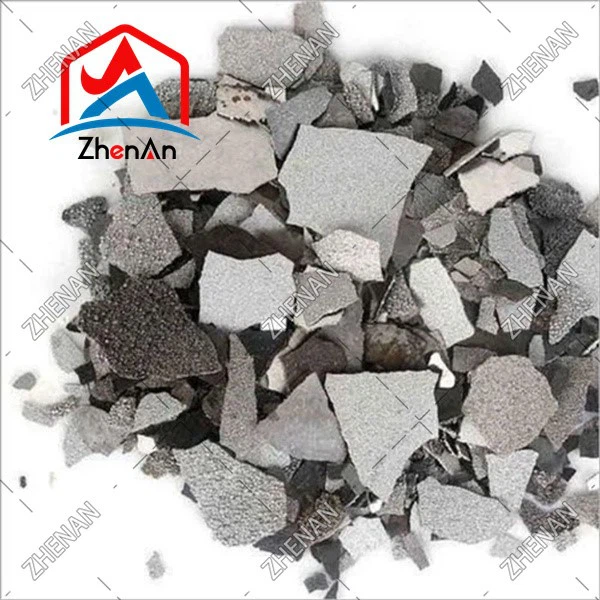
What Is Electrolytic Manganese in Metallurgical Applications?
Electrolytic manganese is produced through an electrolytic process that allows manganese metal to be refined to a high purity level, typically around 99.7%. This controlled production method results in:
- Low impurity content
- Stable chemical composition
- Predictable metallurgical behavior
Because of these characteristics, electrolytic manganese is widely supplied as part of standardized EMM products for industrial use.
Role of Electrolytic Manganese in Steel Production
1. Alloying Function in Steelmaking
In steel production, manganese is added primarily to:
- Improve strength and hardness
- Enhance toughness
- Reduce the harmful effects of sulfur
Using electrolytic manganese allows steelmakers to adjust manganese content accurately, especially in grades where composition tolerance is narrow.
2. Deoxidation and Process Stability
Electrolytic manganese also contributes to deoxidation during steel refining. Due to its high purity, it reacts in a more controlled manner compared with lower-grade materials, helping to:
- Reduce oxide inclusions
- Improve steel cleanliness
- Maintain stable process conditions
This makes electrolytic manganese suitable for higher-quality steel grades.

Use of EMM Products in Alloy Production
3. Precision in Alloy Composition
In alloy manufacturing, EMM products are used to achieve precise manganese ratios. Electrolytic manganese enables alloy producers to:
- Maintain consistent chemical composition
- Reduce batch-to-batch variation
- Improve downstream processing reliability
This is particularly important in specialty alloys and performance-sensitive applications.
4. Compatibility with Controlled Melting Processes
Electrolytic manganese is compatible with controlled melting and refining processes, where predictable reaction behavior is required. Its uniform composition supports:
- Stable melting behavior
- Reduced impurity interference
- Improved yield efficiency
Why Steel and Alloy Producers Choose EMM Products
Compared with alternative manganese sources, EMM products offer:
- Higher effective manganese recovery
- Better impurity control
- More reliable quality consistency
For producers focused on quality assurance rather than cost alone, electrolytic manganese provides a practical solution.
Key Considerations When Using Electrolytic Manganese
When selecting electrolytic manganese or other EMM products, industrial users typically evaluate:
- Purity and impurity limits
- Physical form and handling behavior
- Compatibility with production processes
- Long-term supply reliability
These factors directly affect performance in steel and alloy production.
About Our Electrolytic Manganese and EMM Products
We supply electrolytic manganese and a range of EMM products for steelmaking and alloy production, focusing on stable quality, controlled composition, and consistent performance. Our products are produced to meet common industrial specifications and support reliable use in demanding metallurgical applications.
With experience in supplying electrolytic manganese to global markets, we emphasize product consistency, clear documentation, and practical application understanding.

Looking for Electrolytic Manganese or EMM Products? [Contact Us]
If you are sourcing electrolytic manganese, comparing different EMM products, or need support with application requirements, selecting the right material is essential.
Contact us to discuss product specifications, technical considerations, or supply options for electrolytic manganese.
Conclusion
Electrolytic manganese is a key material in steel and alloy production, providing controlled manganese addition and stable metallurgical performance. As part of standardized EMM products, it supports precise alloying, improved steel cleanliness, and consistent production outcomes. Understanding its role helps producers select suitable materials and optimize metallurgical processes.


