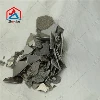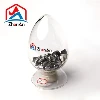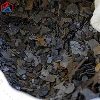

85% and 88% silicon carbide reduce maintenance cost in high temperature furnaces by improving wear resistance, enhancing thermal shock stability, and extending refractory lining service life.
In practical furnace operation, 85% SiC is commonly used for cost-effective durability in moderate conditions, while 88% SiC is preferred in more demanding environments where longer service life and reduced repair frequency are critical.
Why Maintenance Cost Is High in High Temperature Furnaces
In high temperature furnaces, the lining and hot-face materials work under continuous thermal and chemical stress. Over time, this leads to:
- surface erosion
- slag or dust attack
- oxidation damage
- cracking caused by thermal cycling
- structural weakening of the refractory body
Once the lining starts to fail, the plant does not only pay for repair material. It also pays through downtime, labor, production interruption, and energy loss. That is why maintenance cost should be evaluated as a total operating issue, not just a material replacement issue.
What 85% and 88% SiC Mean in Practical Use
When a refractory producer or furnace operator refers to 85% and 88% SiC, it usually means silicon carbide grades with different silicon carbide content and corresponding impurity levels.
In practical terms, both grades are often used where the goal is to improve cost-performance rather than simply choose the highest purity material available. These grades can provide strong industrial performance while keeping raw material cost more reasonable than premium SiC grades.
The difference between them is not only numerical. A slightly higher SiC content often means better stability, lower impurity effect, and improved performance in more demanding furnace conditions.
How 85% and 88% SiC Help Reduce Maintenance Cost
Better Wear Resistance
One of the main reasons furnace linings need maintenance is continuous wear at the hot face.
Silicon carbide is a hard material, and both 85% and 88% SiC can improve the abrasion resistance of refractory products used in high temperature furnaces. This is especially valuable in areas exposed to moving solids, ash, clinker, slag, or high-velocity gas-borne particles.
When wear is reduced, the lining loses thickness more slowly. That means fewer repairs, longer service intervals, and lower maintenance spending over time.
Improved Thermal Shock Resistance
Many furnace linings do not fail because of one extreme temperature, but because of repeated heating and cooling.
Silicon carbide helps improve thermal conductivity and reduce local thermal stress. This makes the lining more resistant to thermal cycling and reduces the risk of cracking and spalling.
For furnaces with frequent shutdowns, load changes, or temperature fluctuation, this benefit can translate directly into lower repair frequency and more predictable maintenance planning.
Stronger Resistance to High-Temperature Damage
At elevated temperatures, refractory materials often degrade due to oxidation, structural weakening, and interaction with furnace atmosphere.
85% and 88% SiC grades help improve hot-face stability in many furnace applications. When selected correctly, they support a denser and more durable refractory structure, reducing surface damage and extending lining life.
In cost terms, a longer-lasting lining means fewer emergency interventions and less money spent on patching and replacement.
Reduced Slag and Corrosive Attack in Suitable Applications
In some furnace environments, maintenance cost rises because slag, ash, or chemical deposits gradually penetrate and damage the refractory body.
Silicon carbide can help improve resistance to this kind of attack by supporting a tighter matrix and reducing the speed of material degradation in suitable formulations.
This does not mean every furnace condition requires the same grade. But in many high-temperature applications, the right SiC grade helps control the damage mechanism that drives maintenance cost.
Where 85% SiC Works Best
85% SiC is often a practical choice when the goal is to improve furnace lining durability without pushing raw material cost too high.
It is commonly suitable for:
- general high-temperature furnace linings
- wear-resistant castables
- zones with moderate slag or dust attack
- applications where cost-performance is more important than premium purity
For plants that need a reliable improvement over standard refractory formulations, 85% SiC often provides a good balance between price and maintenance reduction.
Where 88% SiC Works Best
88% SiC is generally preferred in more demanding furnace conditions where stronger stability and longer service life are required.
It is often a better choice for:
- hotter operating zones
- areas with more severe wear or chemical attack
- furnaces requiring longer campaign life
- applications where maintenance shutdown cost is especially high
In these cases, the slightly higher SiC content can justify its cost because it helps reduce repair frequency and improve operational stability.
85% vs 88% SiC: Which One Saves More?
The answer depends on the furnace condition.
If the service environment is moderate and cost control is a priority, 85% SiC may deliver the best cost-performance result. It improves wear resistance and thermal stability while keeping material cost relatively low.
If the furnace runs under harsher conditions and downtime is expensive, 88% SiC may save more in total because it can extend service life and reduce the need for repair under demanding conditions.
So the real question is not which grade is cheaper per ton. The real question is which grade reduces the total maintenance burden in your actual operation.
How SiC Grades Lower Indirect Maintenance Cost
The maintenance savings from silicon carbide are not limited to repair material alone.
By improving lining life and reducing failure frequency, 85% and 88% SiC can also help lower:
- labor cost for repeated repair
- downtime cost from shutdowns
- energy loss caused by degraded lining condition
- risk of production disruption
- spare part and backup lining consumption
These indirect savings are often larger than the difference in raw material price.
How Buyers Should Choose the Right Grade
When selecting 85% or 88% SiC for furnace use, buyers should look beyond SiC content alone.
The key evaluation points usually include:
- actual service temperature
- wear and corrosion mechanism
- furnace atmosphere
- repair cycle target
- cost of shutdown
- compatibility with the refractory formulation
- batch stability from the supplier
A lower-cost material is not always the lower-cost solution. The best choice is the grade that performs well enough to reduce total maintenance cost in real operating conditions.
A Practical Selection Approach
A simple rule is:
choose 85% SiC when you need good wear resistance and better lining life at controlled cost
choose 88% SiC when the furnace condition is more severe and longer maintenance intervals matter more
For many industrial users, both grades are valuable because they cover different cost-performance targets.
Conclusion
85% and 88% silicon carbide reduce maintenance cost in high temperature furnaces by improving wear resistance, thermal shock resistance, and lining durability.
The real benefit comes from extending service life, reducing shutdown frequency, and lowering the total cost of keeping the furnace in operation. In moderate conditions, 85% SiC often provides strong cost-performance value. In more severe conditions, 88% SiC can deliver better long-term savings through improved stability and reduced repair demand.
For furnace operators, the most effective solution is not simply choosing the highest grade available, but selecting the SiC grade that best matches the actual service environment and maintenance target.
Looking for Silicon Carbide for Furnace Applications?
If you are selecting 85% or 88% silicon carbide for high temperature furnaces, the right grade should be based on wear conditions, operating temperature, and maintenance goals.
Contact us for grade recommendations, size options, and the latest quotation for silicon carbide used in refractory and furnace applications.

ZHEN AN INTERNATIONAL CO.,LIMITED
ZhenAn is an enterprise specializing in Metallurgical & Refractory products , integrating production, processing, sales and importing and exporting business.
We are focused on building a dedicated team of professionals across the globe. At ZhenAn, we are committed to provide complete solutions by delivering the "right quality & quantity" to suite our customer's processes.
Annual production and sales more than 150,000 tons. Our factory covering an area of 30,000 square meters, it has a complete set of modern production equipment, two large production bases including hydro-metallurgy, two key laboratories and a metallurgical materials testing center with dozens of senior researchers.